Framework has opened pre-orders for a version of its Framework Desktop built on AMD’s Ryzen AI Max+ PRO 495, with 192GB of memory, starting at $6,799. It is the second compact system built around this chip covered here, after Minisforum’s MS-S1 MAX-P495, which the Ryzen AI Max+ PRO 495 article looked at in detail. Framework is selling a single batch, built from the memory it has in stock, with shipments starting in November according to the company’s announcement. Like Minisforum, it is aiming the machine at people who run large AI models on their own hardware.
What Framework is selling
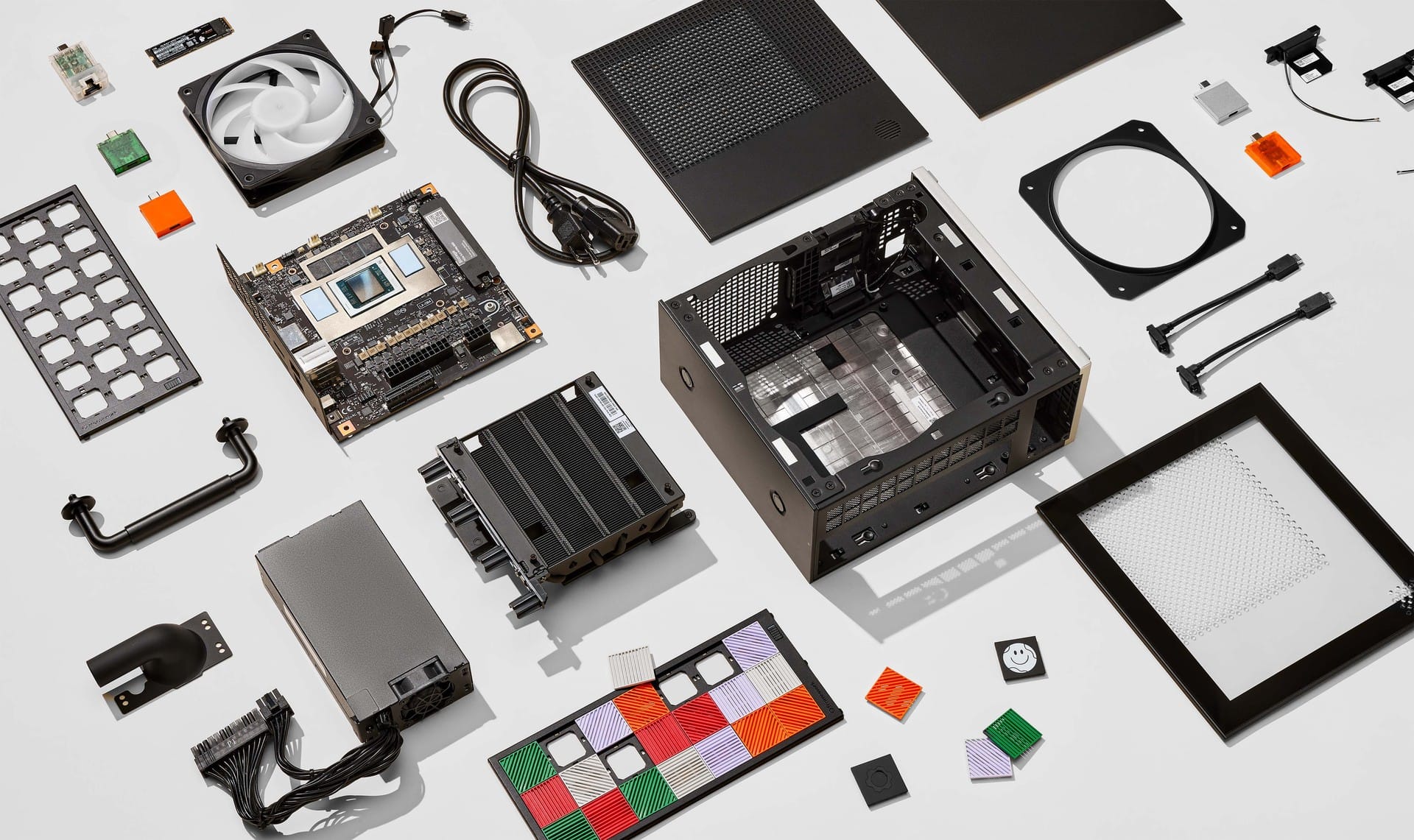
The 192GB Framework Desktop comes three ways, according to Framework’s store. The DIY Edition costs $6,799 and includes the case, the 400W power supply and a Noctua fan, but no storage, no power cable and no front expansion cards. The pre-built version costs $7,449 and adds a 2TB SSD with Fedora Linux installed. The mainboard is also sold on its own for $6,469, for anyone who wants to put it in a different case.
Neither the DIY nor the pre-built version offers a Windows option, so the system is Linux-first out of the box. Buyers of the DIY Edition supply their own SSD, or add Framework’s 2TB drive for $505, and choose front expansion cards for the ports on the front of the case. A pre-order is secured with a deposit that is fully refundable until the system ships. Framework says the price and timing of any further batches will depend on memory cost and supply.
The hardware
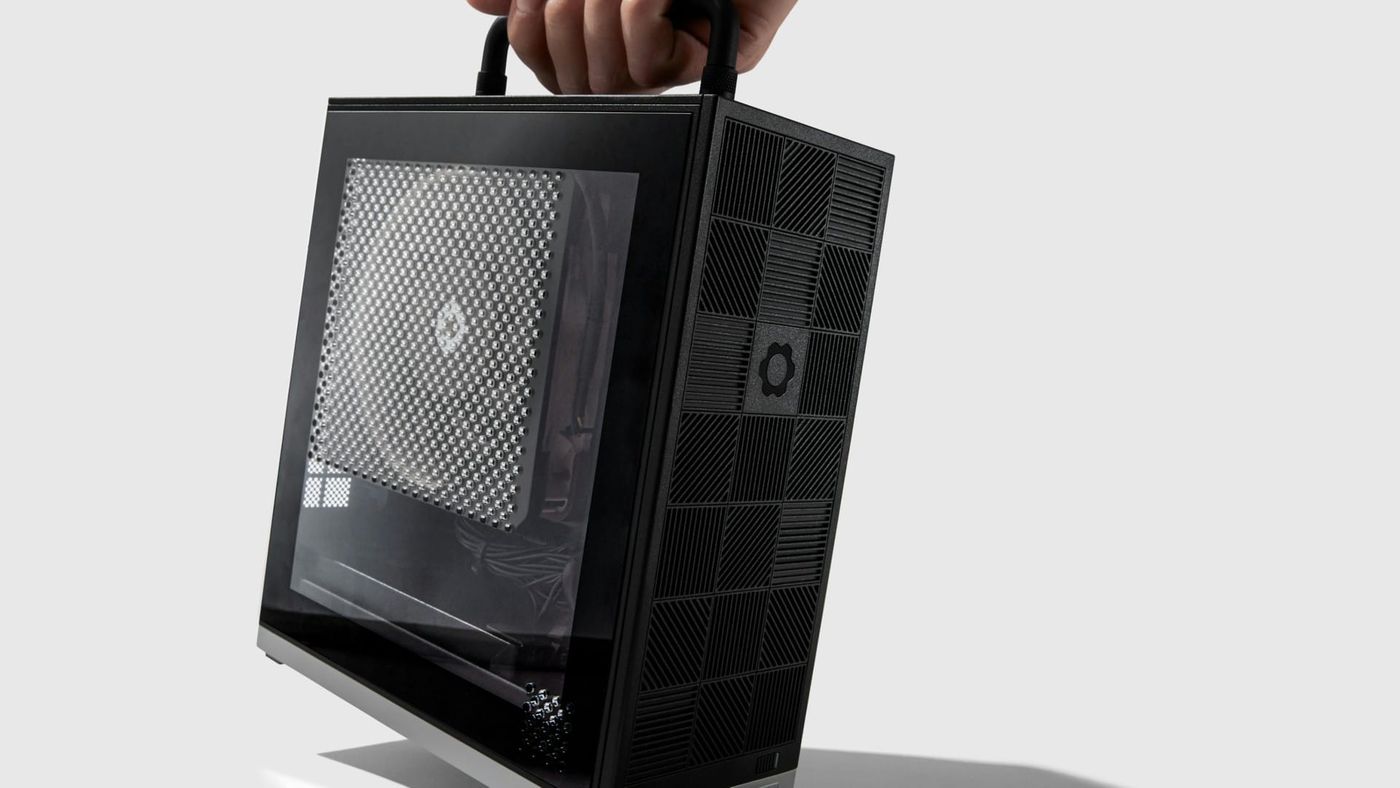
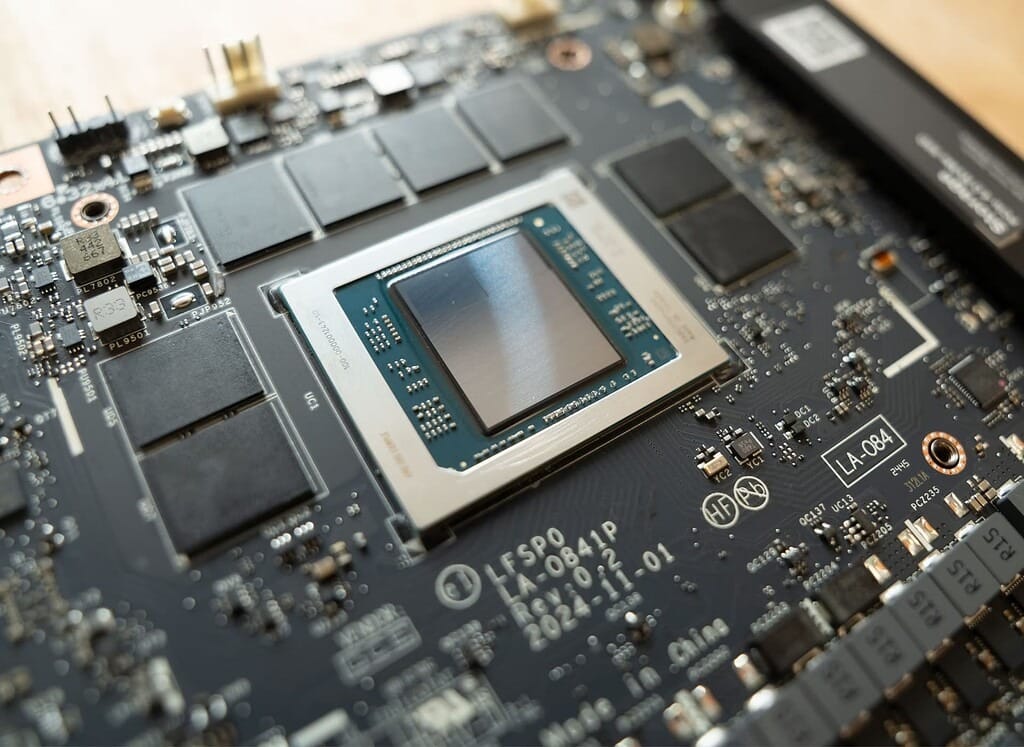
The Framework Desktop is a 4.5-litre case built around a standard Mini-ITX mainboard, the most common small form factor for desktop PCs. According to Framework’s specifications, the Ryzen AI Max+ PRO 495 runs at 120W sustained and 140W in short bursts, cooled by a heatsink with six copper heatpipes and a Noctua NF-A12x25 fan. The 192GB of LPDDR5x-8533 memory is soldered to the board, with a 256-bit interface that Framework rates at 273GB/s. That is about 6.7% more bandwidth than the Ryzen AI Max+ 395 version, which uses slower LPDDR5x-8000 memory.
Storage and connections follow the existing Framework Desktop. There are two M.2 slots for PCIe 4.0 SSDs of up to 8TB each, 5 Gigabit Ethernet and Wi-Fi 7. The rear panel carries HDMI 2.1, two DisplayPort 2.1 outputs, two USB4 ports and two USB-A ports, and two front slots take Framework’s expansion cards. The board also has a PCIe x4 slot, which is not exposed in the standard case.
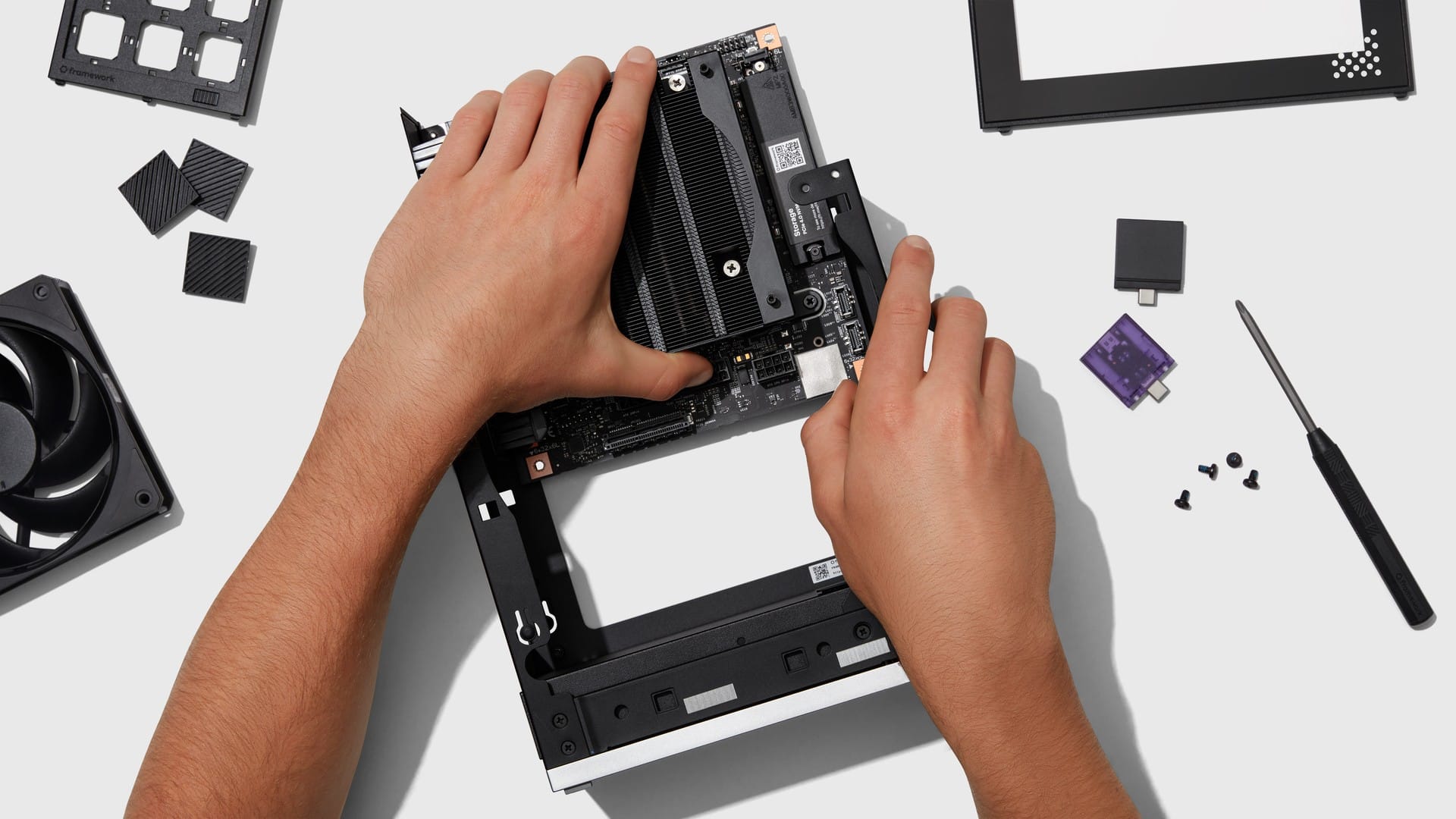
That PCIe slot is open-ended on this version, according to Framework, so wider x8 and x16 cards fit without an adapter, although they still run at x4 speed. Framework gives a high-speed network card as an example, for linking several machines into a cluster. A firmware update from AMD also raises the speed of direct USB4 connections between two machines from about 9 to about 30 gigabits per second, and Framework says it is coming to all Framework Desktops. Because the board is Mini-ITX, it also fits other cases and small rack shelves.
What 192GB is for
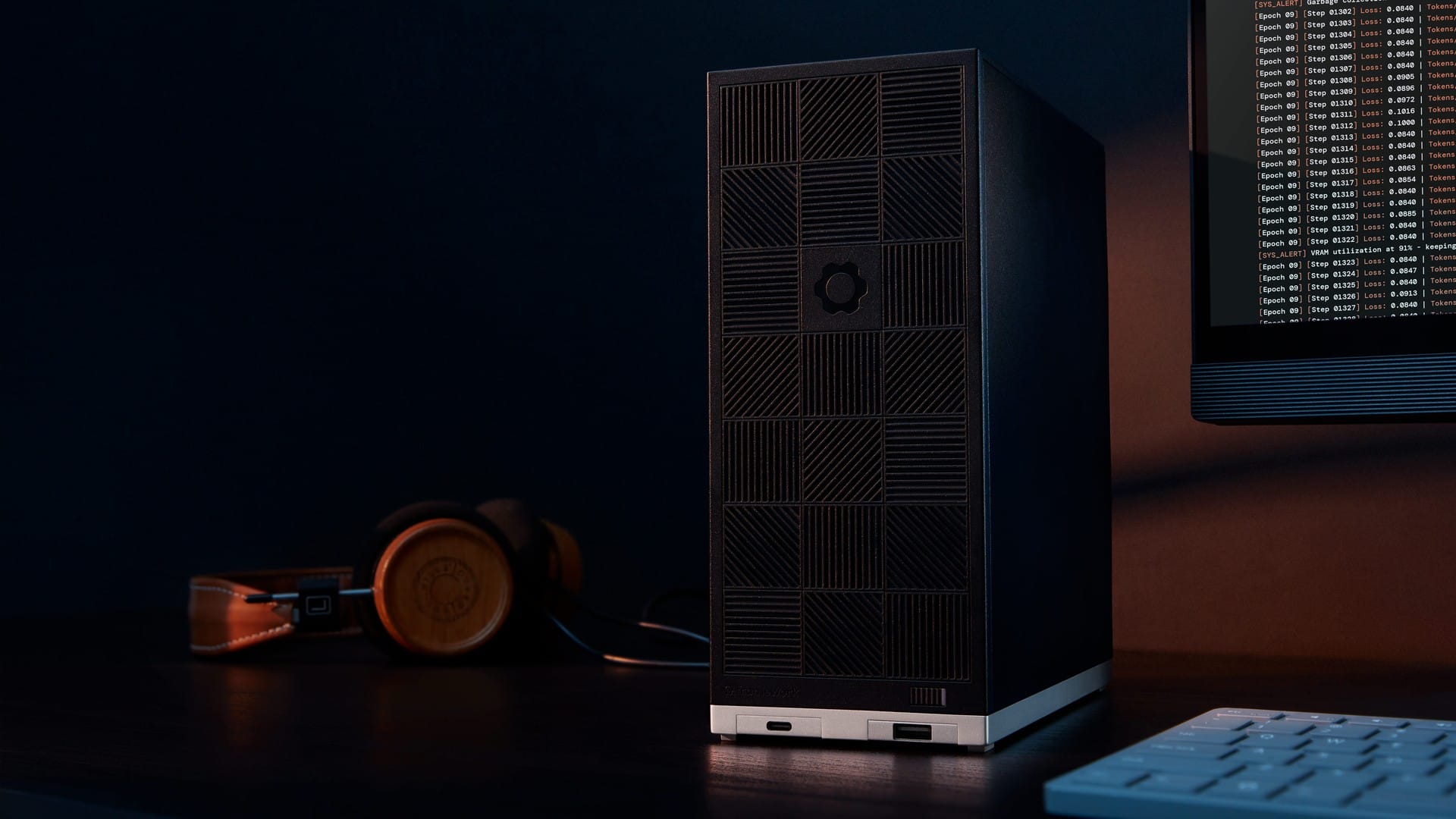
Framework is explicit about the audience: people running large language models locally. In a post on Framework’s blog, Donato Capitella reports DeepSeek V4.1 Flash generating about 14 tokens per second and MiMo V2.6 Flash about 16 to 18. Both are models too large to load on the 128GB version. The extra memory also lets two models stay loaded at the same time.
Those figures come from Framework’s own blog, and independent testing has not yet been published. They show where the value lies. For anyone whose models already fit in 128GB, the 495 version adds little beyond a small increase in memory bandwidth and clock speeds. The case for it rests on models or workflows that need the extra 64GB, the same conclusion the Minisforum system reached.
Price and the memory market
Framework acknowledges the cost directly. Its announcement says that “with the current memory environment, the 192GB system is a step up in cost,” and that it expects memory prices for every capacity to keep rising over the next six months. The 128GB Ryzen AI Max+ 395 version now lists at $3,449 in Framework’s store, up from $1,999 at launch according to Hardware Busters. The 192GB version nearly doubles today’s price for 64GB more memory and a small hardware refresh.
How it compares with the Minisforum MS-S1 MAX-P495
The two systems use the same processor with the same 192GB of memory, so the differences come down to price, connections and flexibility. Minisforum’s MS-S1 MAX-P495 costs $7,399 on sale, against a listed regular price of $9,249, with a 2TB SSD included. Framework’s DIY Edition costs $600 less at $6,799 but needs a drive added, while its pre-built version with a 2TB SSD costs $7,449, just $50 more than Minisforum’s sale price. On price alone, the two are close.
| Framework Desktop (495) | Minisforum MS-S1 MAX-P495 | |
|---|---|---|
| Price | $6,799 DIY (no storage); $7,449 pre-built with 2TB | $7,399 sale, $9,249 regular, with 2TB |
| Memory | 192GB LPDDR5x-8533 | 192GB LPDDR5x-8533 |
| Processor power | 120W sustained, 140W boost | 120W sustained, 160W boost |
| Wired networking | One 5 Gigabit Ethernet port | Two 10 Gigabit Ethernet ports |
| USB4 | Two ports, 40 Gbps | Two 80 Gbps USB4 V2 and two 40 Gbps |
| Expansion slot | Open-ended PCIe x4, not exposed in the standard case | Full-length x16 slot wired at x4 |
Minisforum has the stronger connections. Its dual 10 Gigabit Ethernet ports and faster USB4 V2 suit a machine linked to network storage or other computers, and its slightly higher burst power allows a little more headroom. Framework counters with a standard Mini-ITX board that can move to a new case or rack later, a mainboard-only option, and a design built around repair and reuse. Buyers who want the fastest networking without adding a card lean toward Minisforum, while those who value a standard, reusable board, or plan to run Linux, lean toward Framework. A third system, the Lucebox Zero 495, pairs the same chip with a Radeon AI PRO R9700 graphics card in a larger 12-litre case.