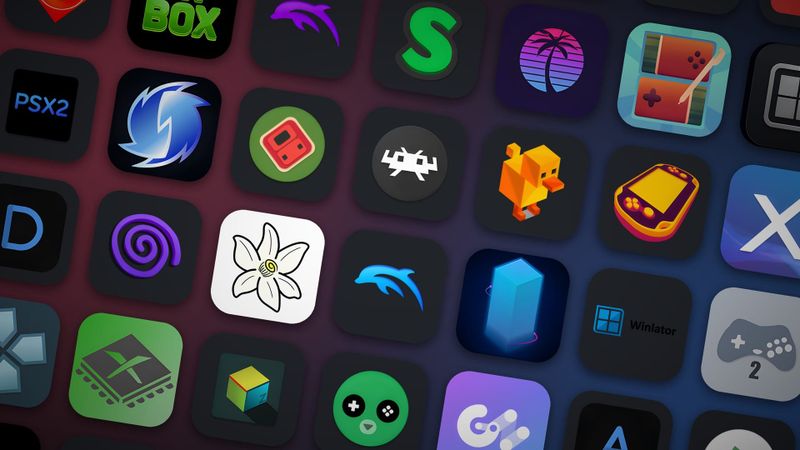
Android Emulators by System: Every Option and What I Actually Run
Every Android emulator worth knowing, sorted by system, with official sources, status, versions that update nightly, and the ones I run on my Android handhelds.
Classic consoles, cartridges and the modern hardware that plays them, from the original N64 to FPGA systems.
Every Android emulator worth knowing, sorted by system, with official sources, status, versions that update nightly, and the ones I run on my Android handhelds.
Every front end and firmware for Android and Linux retro handhelds: what each one costs, which devices it runs on, and what changed last.
Three Game Boy games on October 27, two never-released Virtual Boy games in August, and Mario Sunshine on Switch 2. Every classic added.
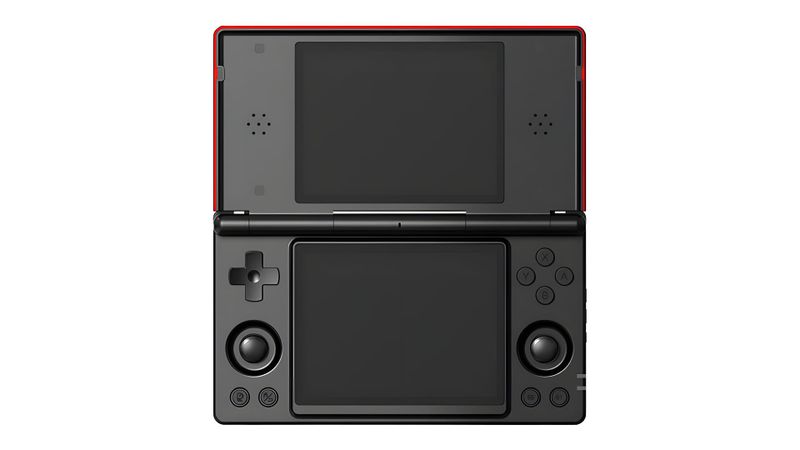
I wanted a 3DS-style handheld I could travel with. The $269 Retroid Pocket Duo does that job, then plays PS2, PS3, Switch and Xbox games too. Unboxing and first impressions.
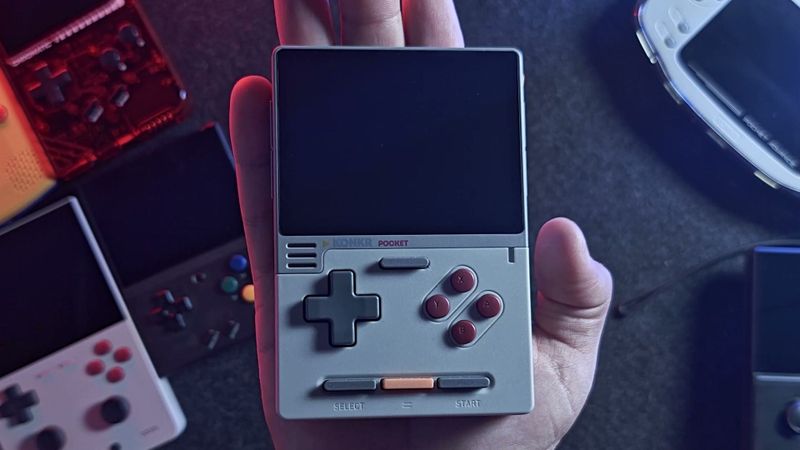
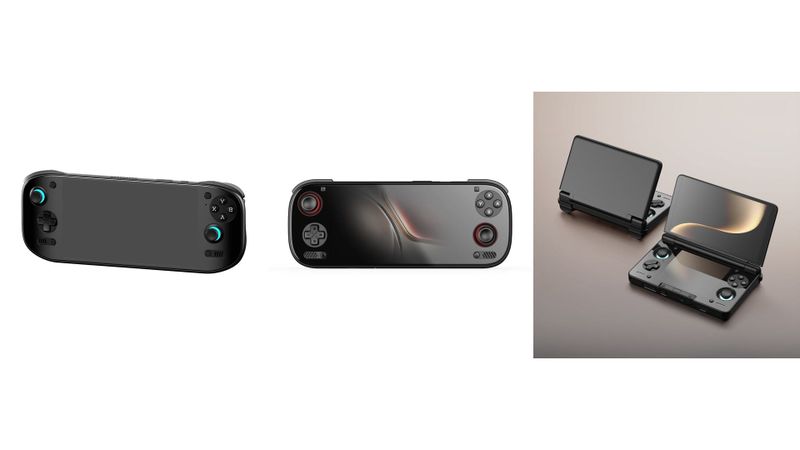
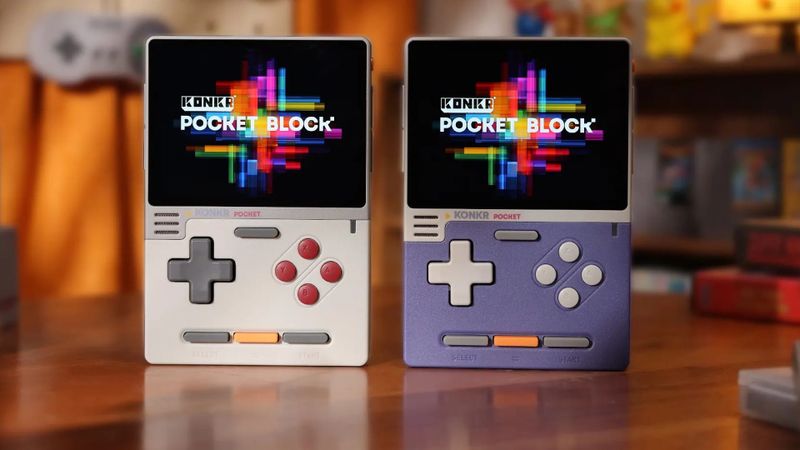
AYANEO’s Game Boy-shaped KONKR Pocket Block fits in my palm, ran everything up to the Dreamcast and PS1 at 60 fps, and even played some PS2. Unboxing, first impressions, and how it stacks up against the Pocket Advance.
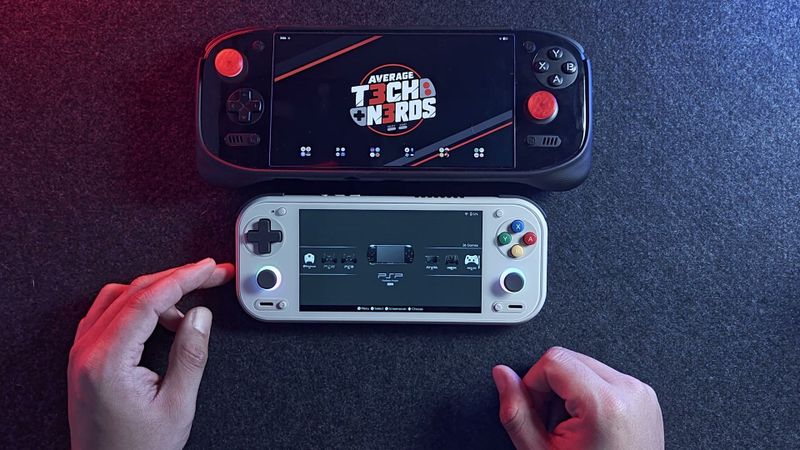
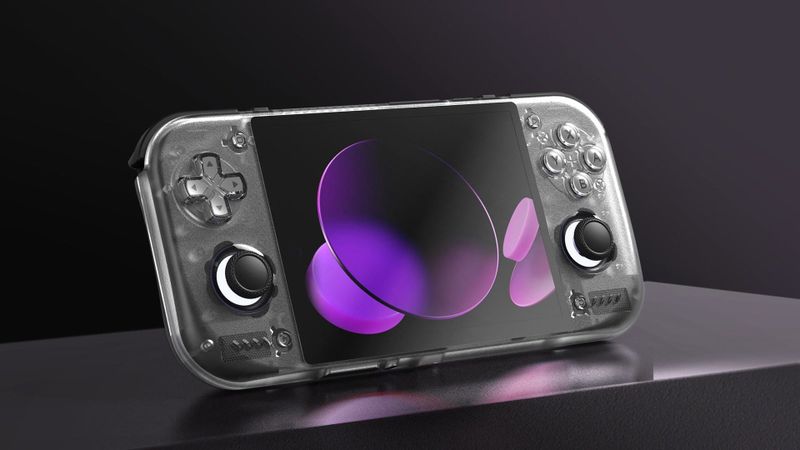
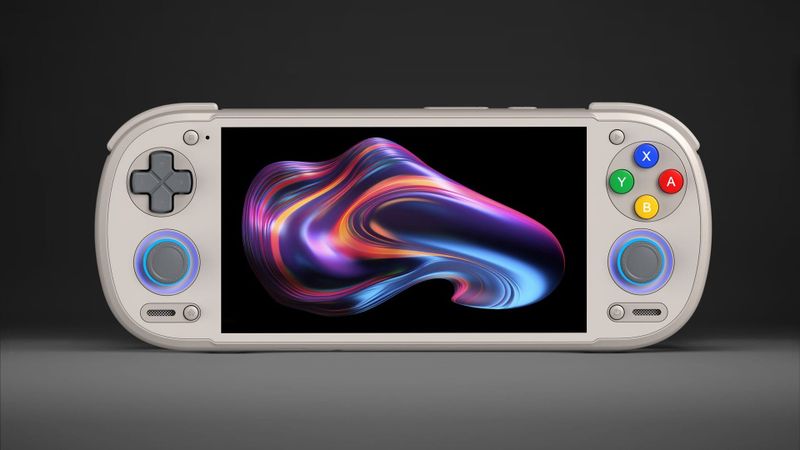
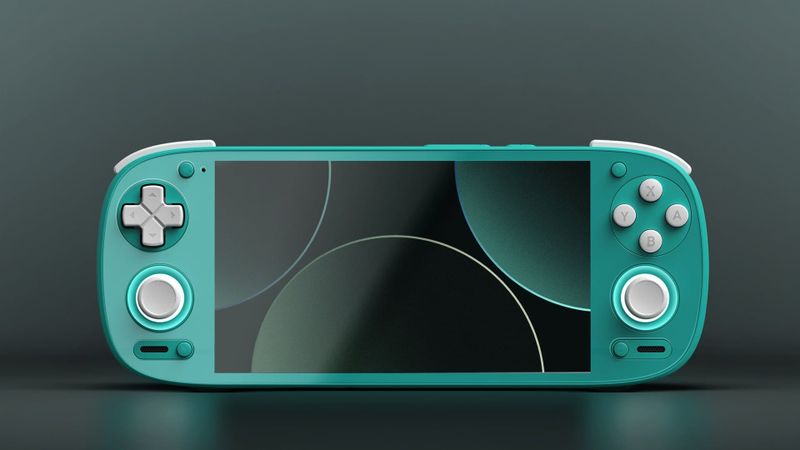
Anbernic’s first Snapdragon handheld looks like a Switch Lite. I put it against my Odin 2 Portal Max: PS2 yes, Switch no, and one test the $175 one won.
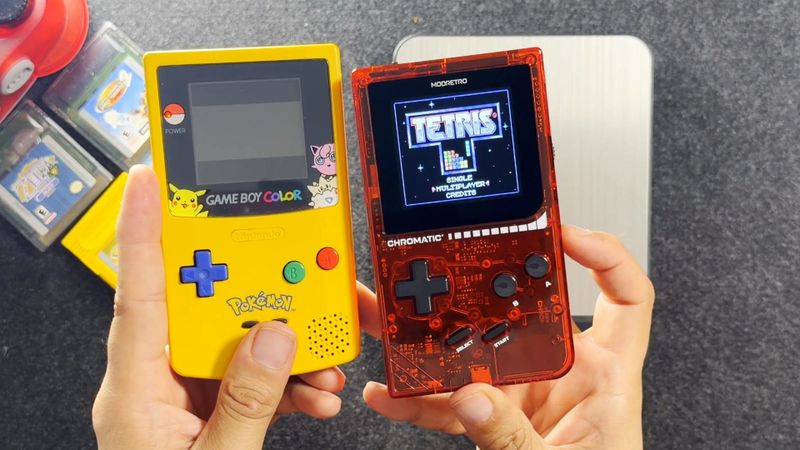
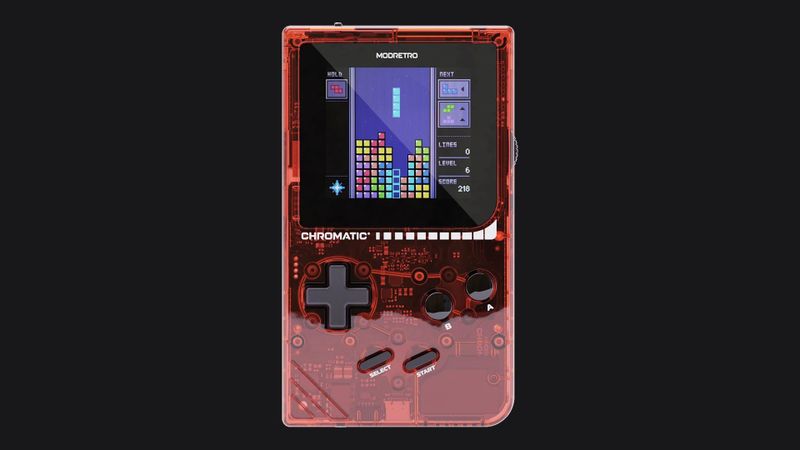
My transparent red ModRetro Chromatic next to my original Game Boy Color: the screen, the speaker, the buttons, what it plays and how it compares with the Analogue Pocket.
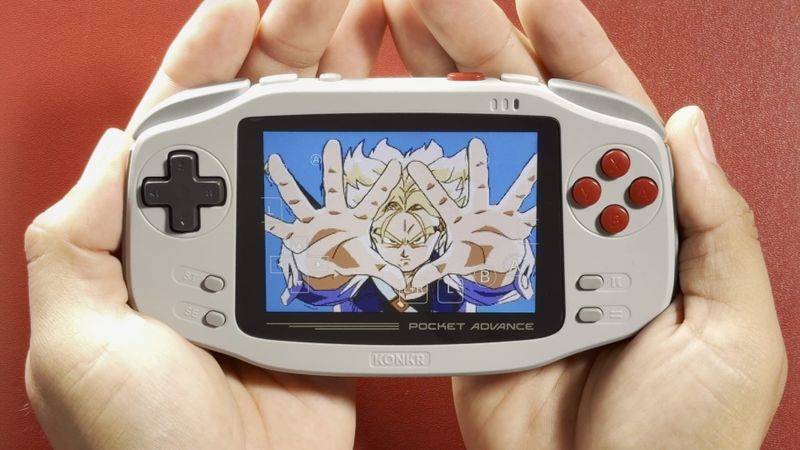
My first 45 minutes with the KONKR Pocket Advance, AYANEO’s $129 GBA-style Android handheld: the screen, the buttons, AYASpace and what it plays.
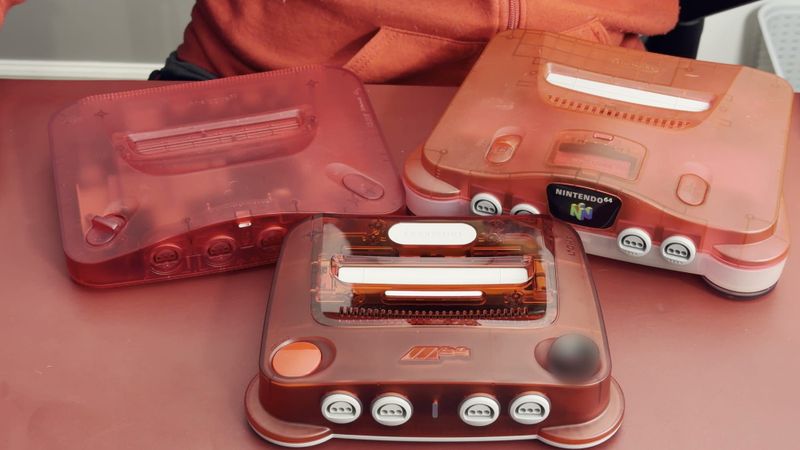
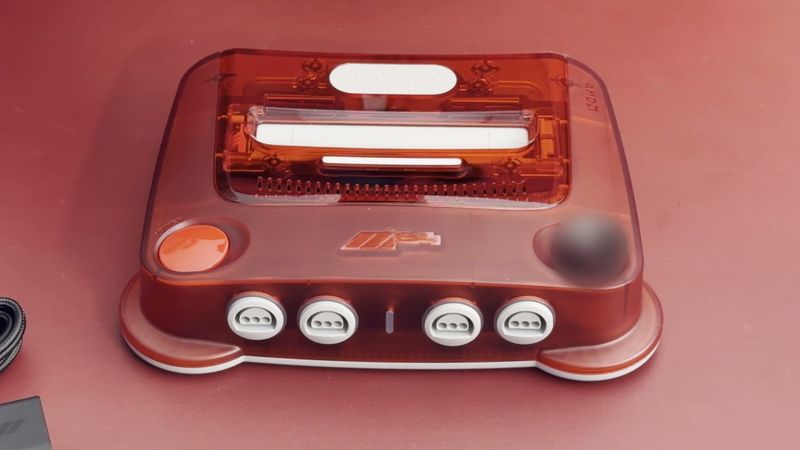
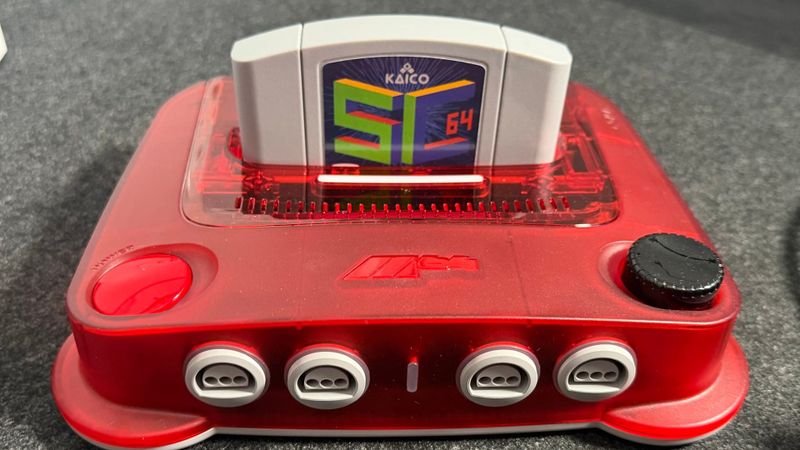
I own both FPGA N64 consoles. After a year of updates they play cartridges about equally well, so price, features and looks decide it.
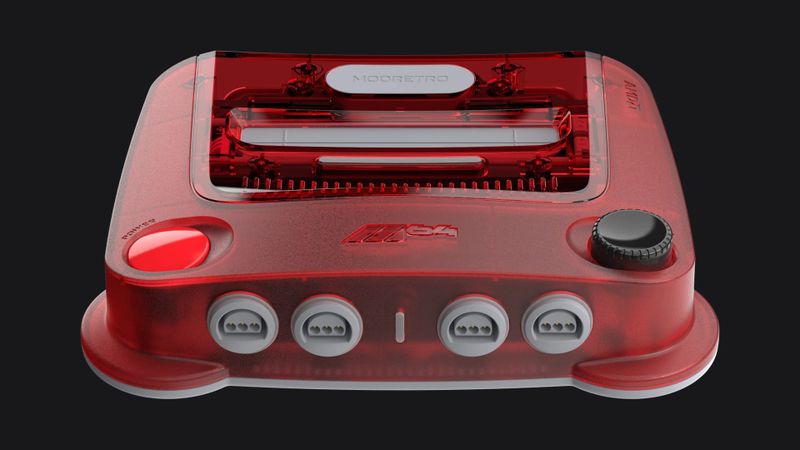
The ModRetro M64 is an FPGA console for original Nintendo 64 cartridges. Here is what comes in the box, how it compares with the Analogue 3D, and how it works with the SummerCart64.
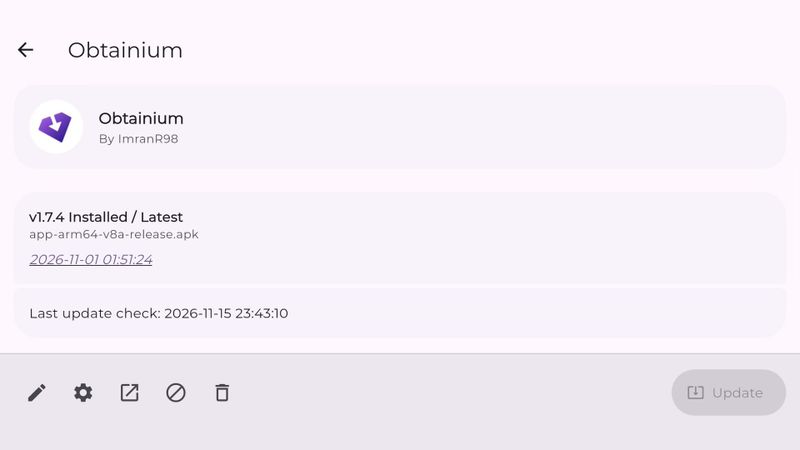
Obtainium installs and updates Android apps straight from their makers’ release pages. How to set it up for your emulators, add apps from its directory, pick the right file and move your list to another handheld.
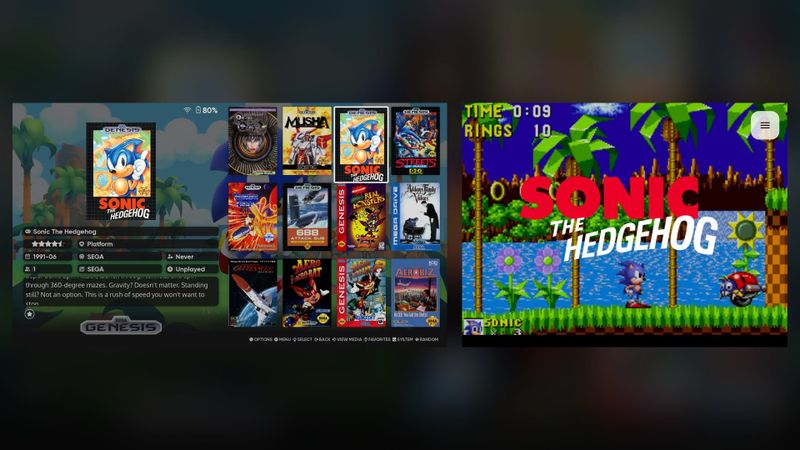
Every step of setting up ES-DE 3.5 on an Android handheld, shot on the Retroid Pocket Duo: setup, games, emulators, box art, themes, both screens with ES-DE Companion, and fixes for games that won’t launch.
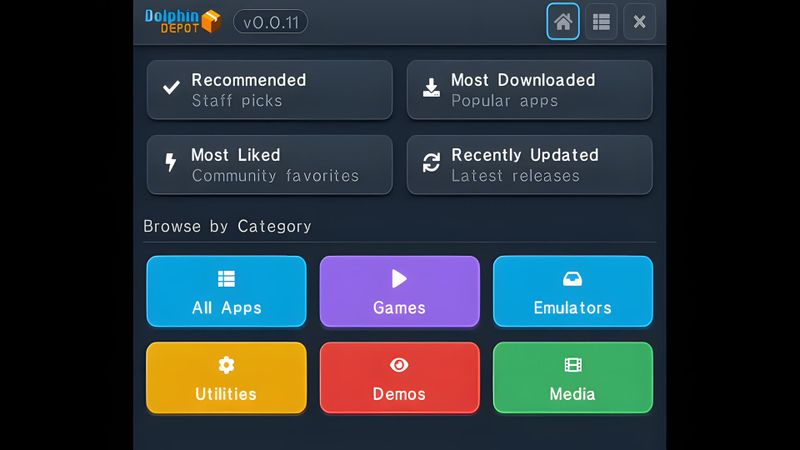
Dolphin Depot is a free homebrew app store that runs on a real GameCube. What it is, how it works, what you need, how to install and use it, and the catches.
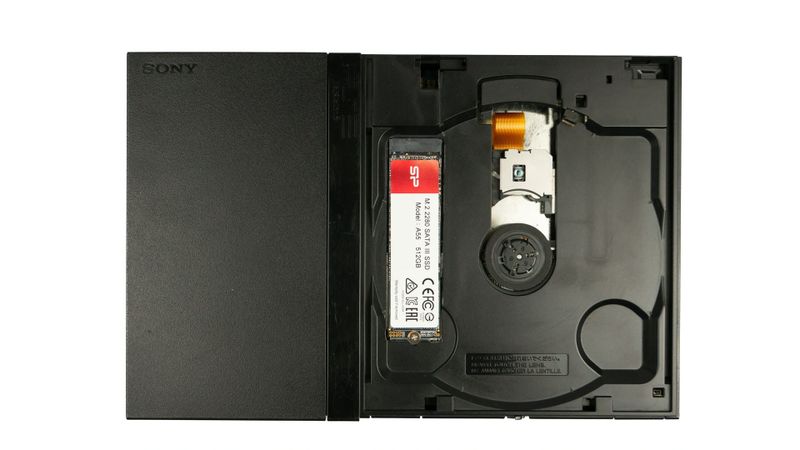
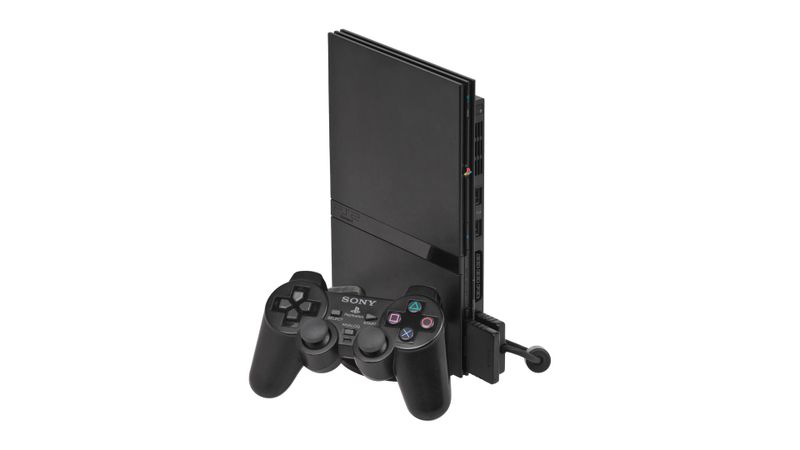
A $55 kit that puts a full-size M.2 SSD inside the first PS2 Slim and keeps the disc drive. What it is, what you need, how the install goes, and how to load your games.
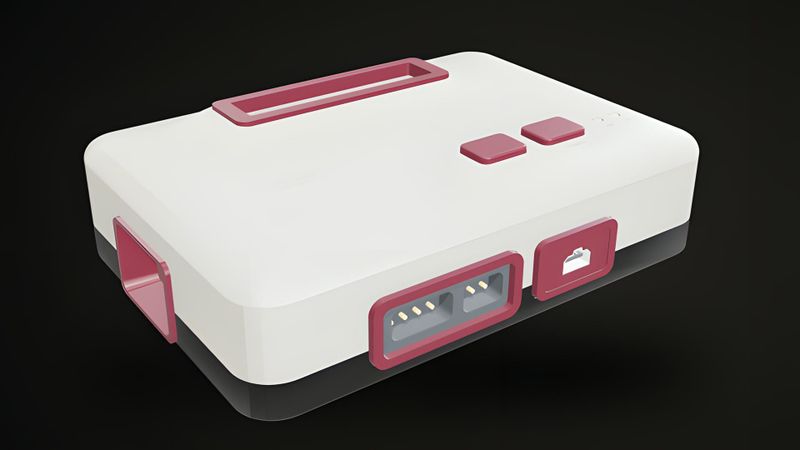
The SuperStation One already runs MiSTer. How to add an NVMe SSD through the SuperDock, move to a stock MiSTer setup with update_all, and get back to Retro Remake's image.
Which softmod fits your PS2, how a burned DVD gets you in, how to install FreeMcBoot or OpenTuna, and how to set up Open PS2 Loader for backups of games you own.
PortMaster puts about 1,500 PC game ports, from Stardew Valley to Half-Life, on Linux retro handhelds. Where it runs, how to install it, and how to add the games that need your own copy.
Armada OS turns AYN's Odin 2, Odin 3 and Thor handhelds into Steam Game Mode machines from a microSD card. Which bootloader folder each model needs, the install, what each one gets and the way back to Android.
One flash cartridge, three consoles: how to set up a SummerCart64, how saves work, how to keep everything updated, and what changes on an N64, Analogue 3D and M64.
What the Retroid Pocket Nova runs on its 4:3 OLED, how to set it up, how to get Steam games on it, and whether to pick it over the Pocket 6.
Retroid’s fixed-screen Pocket Mini: what changed from the original, what the Snapdragon 865 runs, how to set it up, and what its dual screen really is.
What Retroid’s Snapdragon 8 Gen 2 flagship runs, how to set it up, which Linux systems support it, and how it stacks up against the Odin 3, Nova and G2.
Retroid’s Snapdragon G2 Gen 2 handheld: what it runs, how to set it up, why Linux isn’t an option yet, and how it compares with the Pocket 6 and Pocket 5.
Everything the Anbernic RG DS can and can’t emulate, how to set it up in the first hour, and which of its four operating systems to pick.
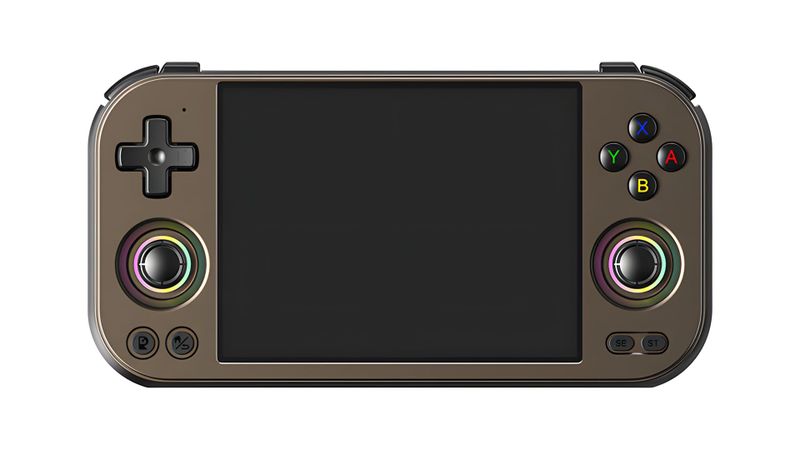
What Anbernic’s metal 4:3 handheld runs, why its Mali graphics hold back Switch and PC games, how to set it up, and how it stacks up against the Nova.
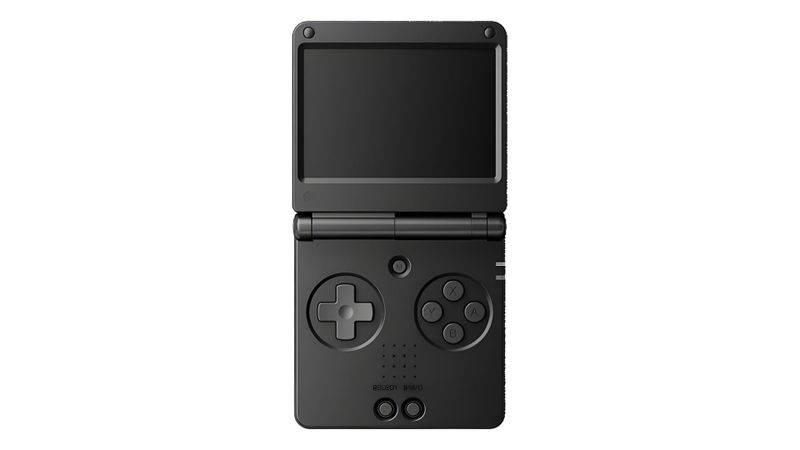
Anbernic’s stickless GBA SP-style clamshell: what it plays, which firmware to put on it, how to set it up, and whether to pick it over the RG35XXSP.
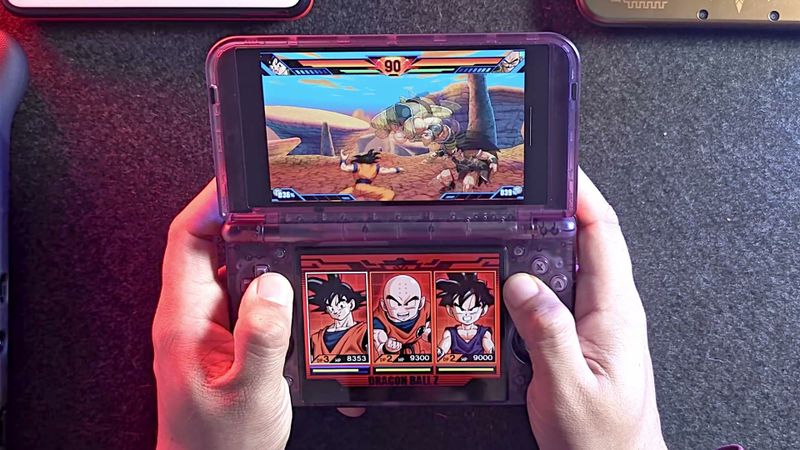
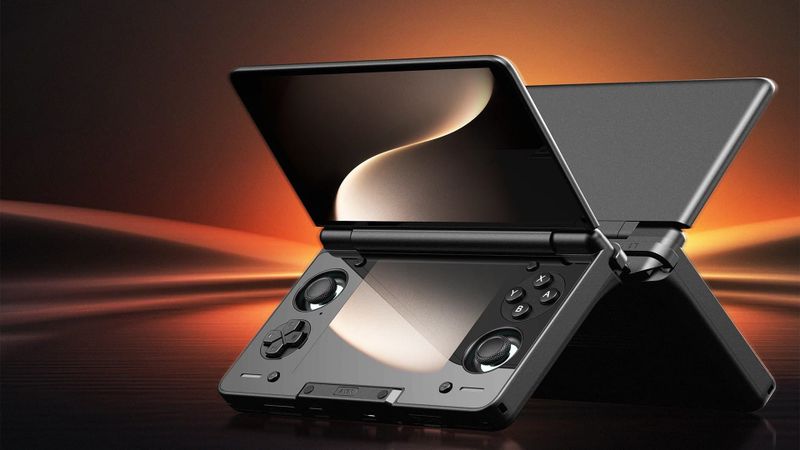
What the Snapdragon 865 Thor Lite can and can’t run, how to set up DS and 3DS across both screens, and whether it’s worth $70 more for the Base.
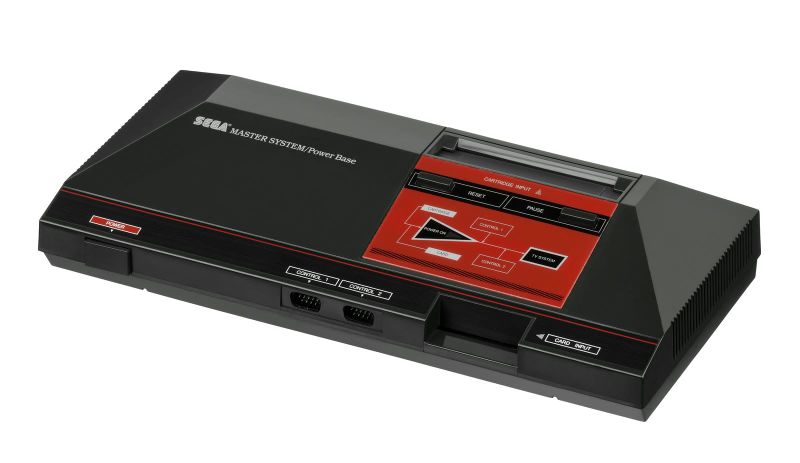
Sega's 8-bit console lost America to the NES in a six-month rush, then won Europe and became a childhood console in Brazil, still made there in 2016.
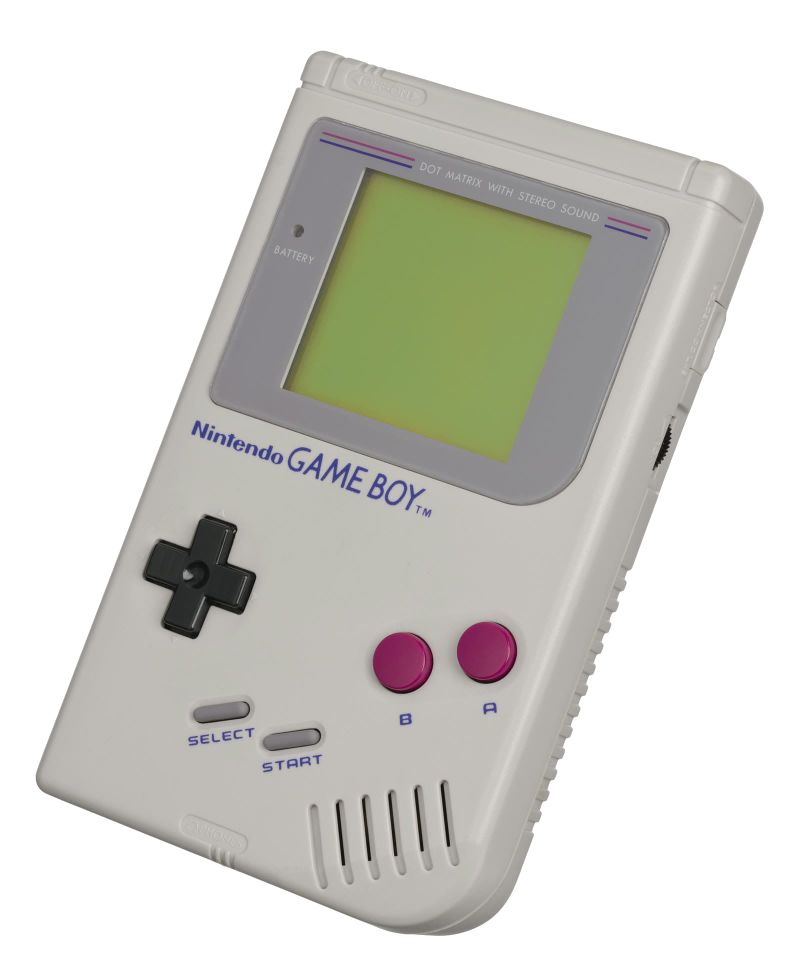
Four shades of green, four AA batteries and Tetris in the box: the cheap, tough handheld that outlasted its colour rivals, came through a Gulf War fire and got a second life from Pokémon.
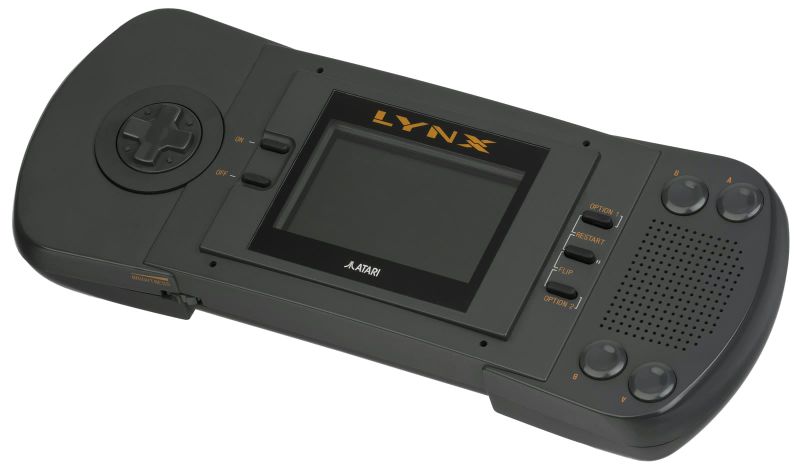
The first colour handheld games console: sketched over lunch by two of the Amiga's engineers, demoed from behind a wall, sold by Atari at twice the Game Boy's price, and fed six AA batteries.
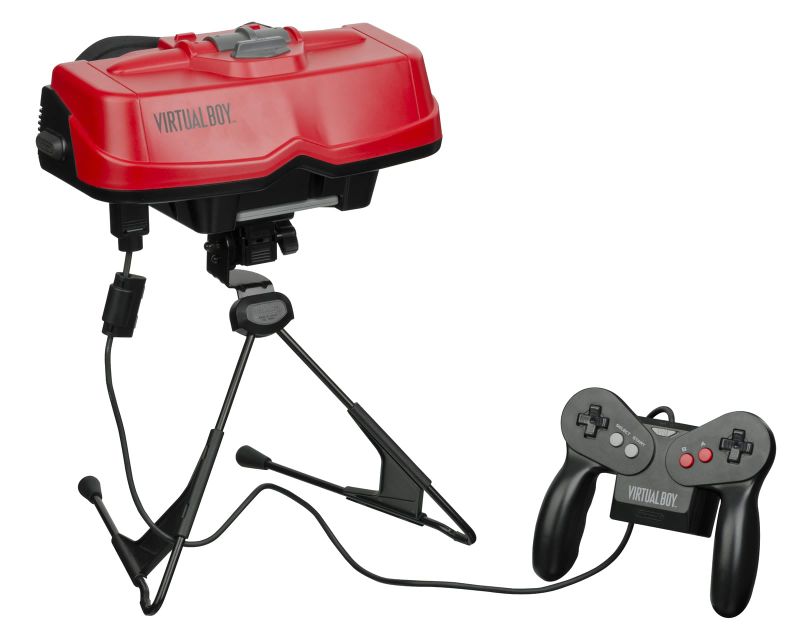
No screen inside, just a line of red LEDs and a mirror swinging 50 times a second: the Massachusetts lab, why it's red, why there's no strap, and its 2026 comeback.
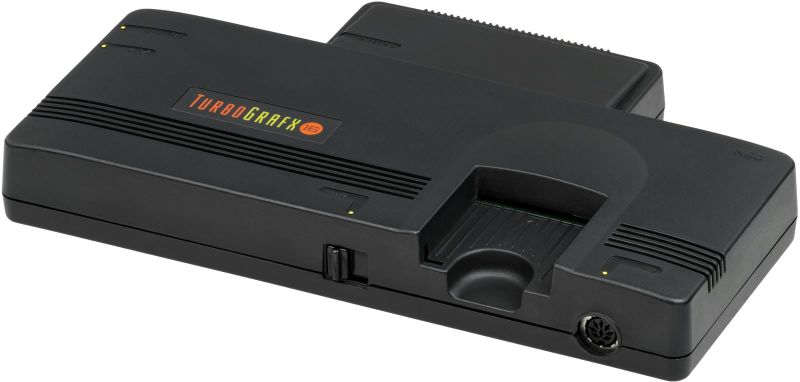
A tiny Japanese hit that played games on credit-card HuCards, gave consoles their first CD-ROM drive, then came to America in a bigger box with one controller port.
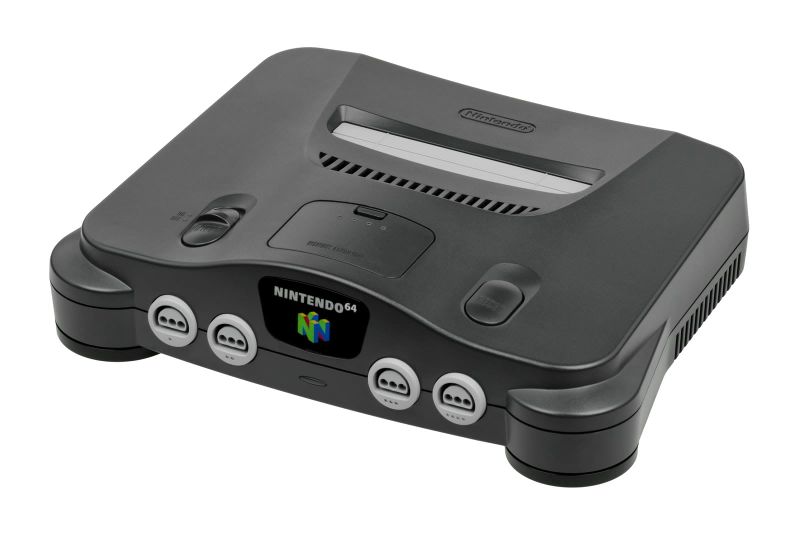
Started on SGI workstations before its chips existed: Mario in a room of blocks, four ports and GoldenEye's beginner team, Ocarina's ninja show, and the cartridge bet.
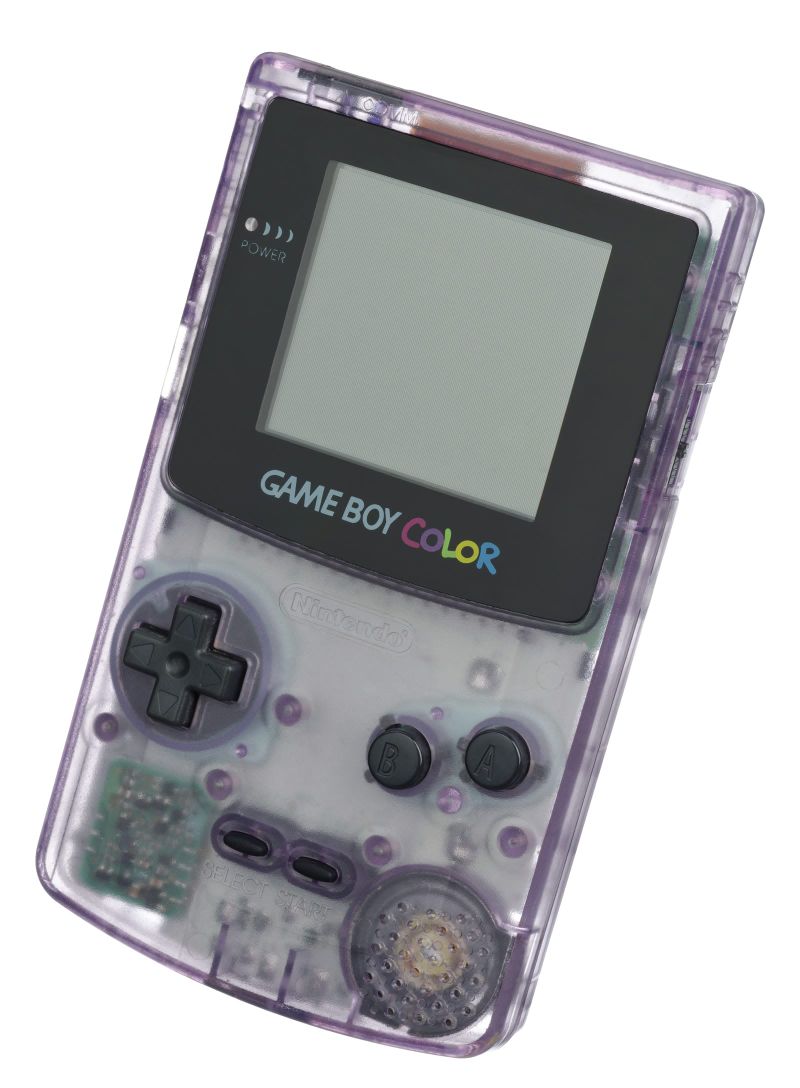
A 1992 prototype that lasted an hour, a cheap new screen and ten months: the twelve hidden palettes, black and clear cartridges, Gold and Silver, and six tasty colours.
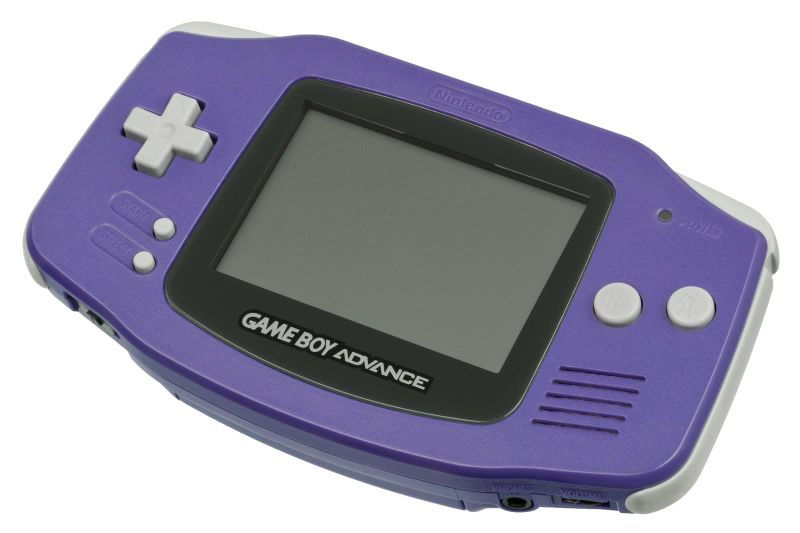
Nintendo's wide 32-bit Game Boy with no light at all: the lamp hunt, the student who built his own light, two machines in one case, the Super Nintendo ports and the e-Reader cards.
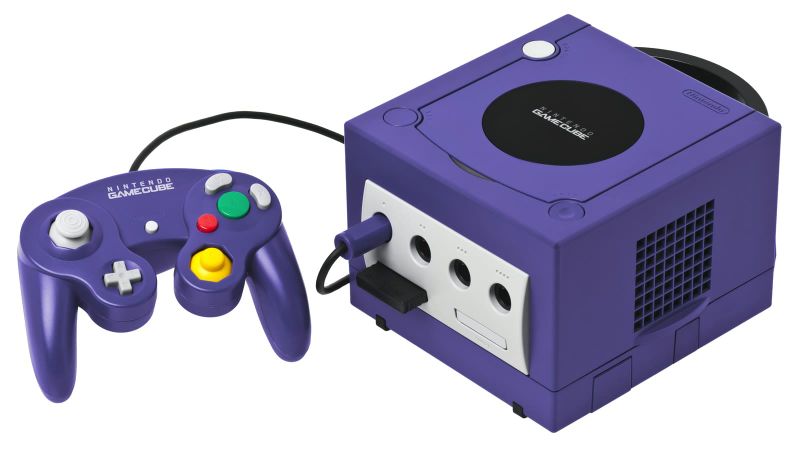
The little cube with a handle: a secret in the start-up sound, Dolphin, 8 cm discs, the big green A, the WaveBird, Hotter than Potter, and a controller still sold in 2026.
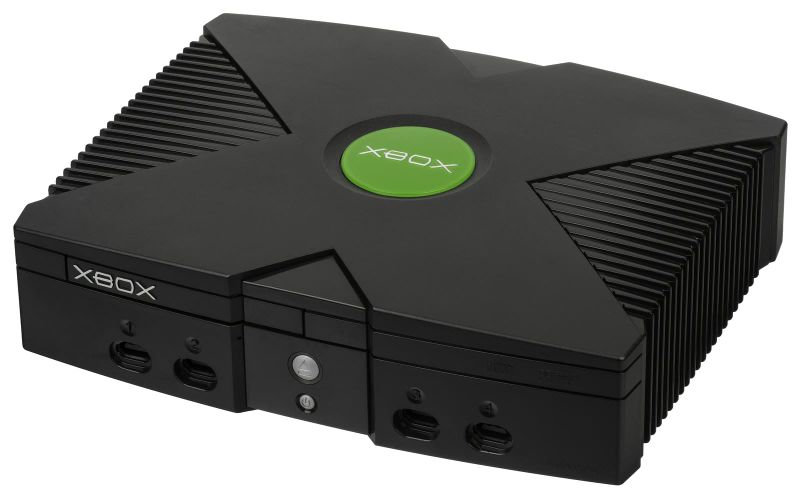
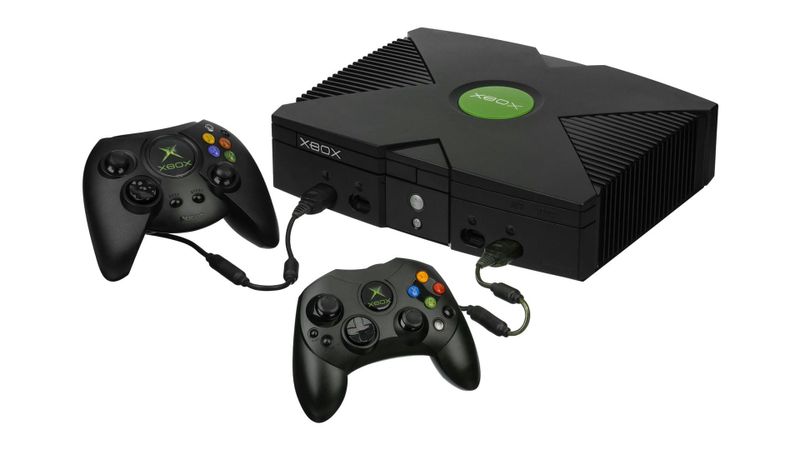
Microsoft's first console, from Dell laptop prototypes and Halo's debut on a Mac to the Duke, a hard drive in every box, your own music in games, Xbox Live and the billions it cost.
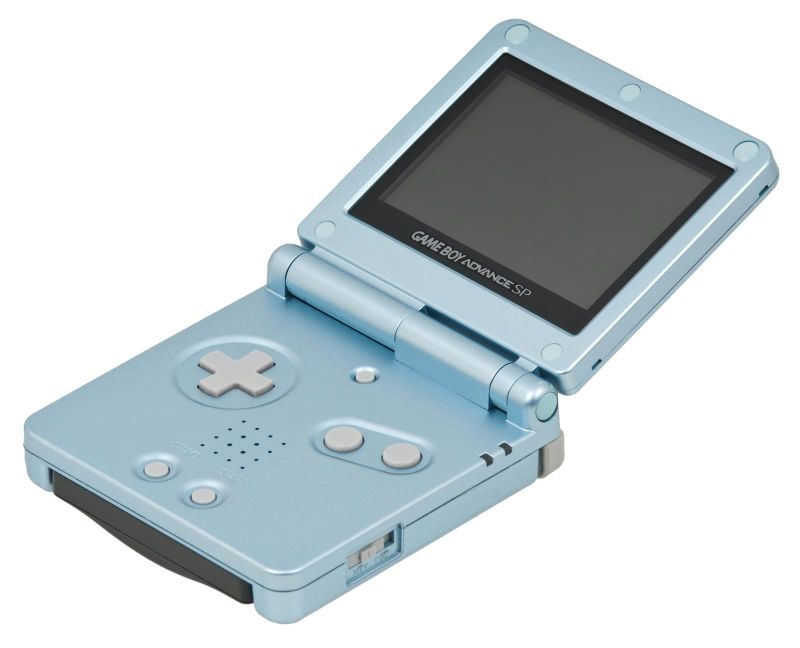
The Game Boy Advance folded shut, with a light and a battery you charge: an idea nearly shot down, no headphone jack, the special editions, and a 2005 backlight you can only spot on the label.
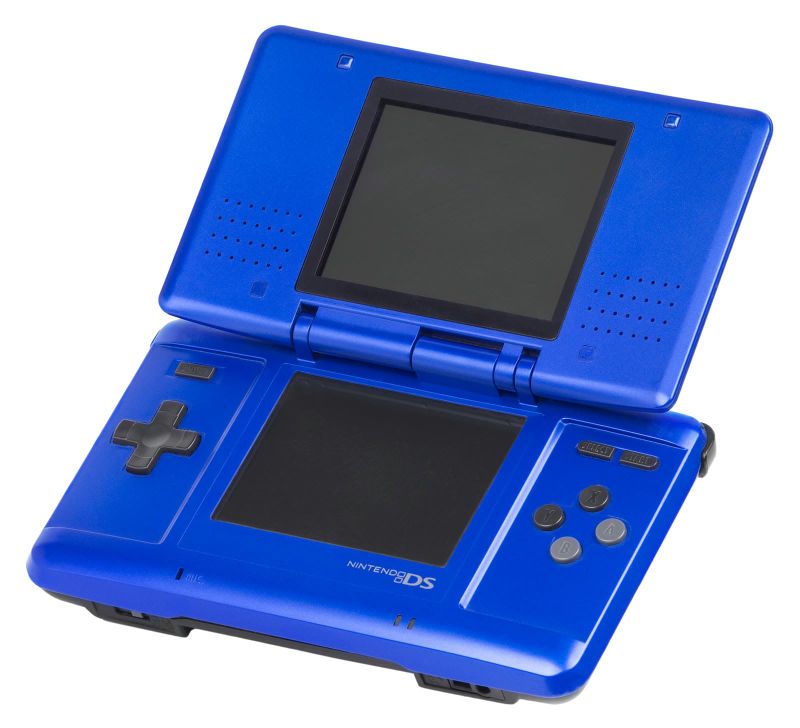
Nintendo's two-screen third pillar: a DS that woke up when a friend was near, PictoChat, Download Play, free Wi-Fi at McDonald's, Nintendogs and Brain Age, and 154 million sold.
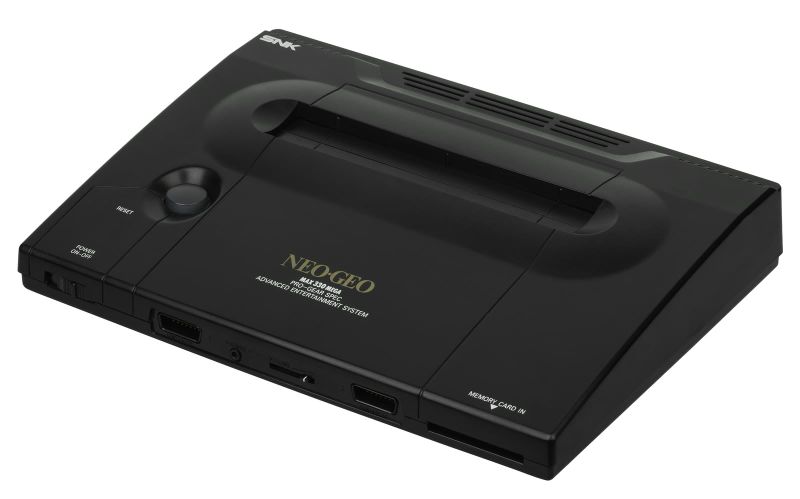
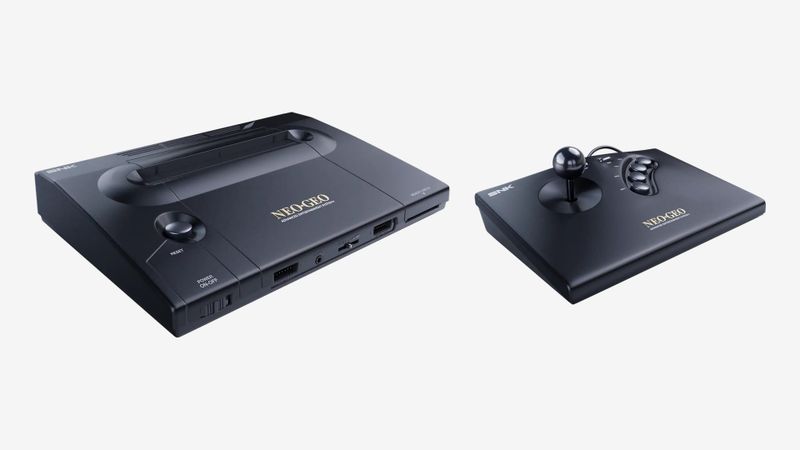
SNK's arcade board with a twin at home: rented out in Japan before it was sold, $649.99 in America for the Gold System, with $200 games, a memory card for the arcade, and the AES+ due in 2027.
It started as a Super Nintendo add-on. Then came one number at E3, a start-up sound, 15 save blocks, a lock hidden in the groove, and the first home console to 100 million.
Named for the sixth planet, a hit in Japan and the underdog everywhere else: the surprise $399 launch, Sony's two ninety-nine, twin brains and four-cornered 3D.
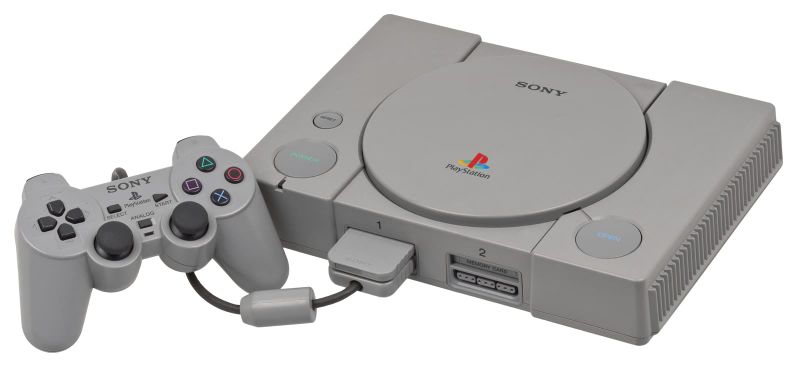
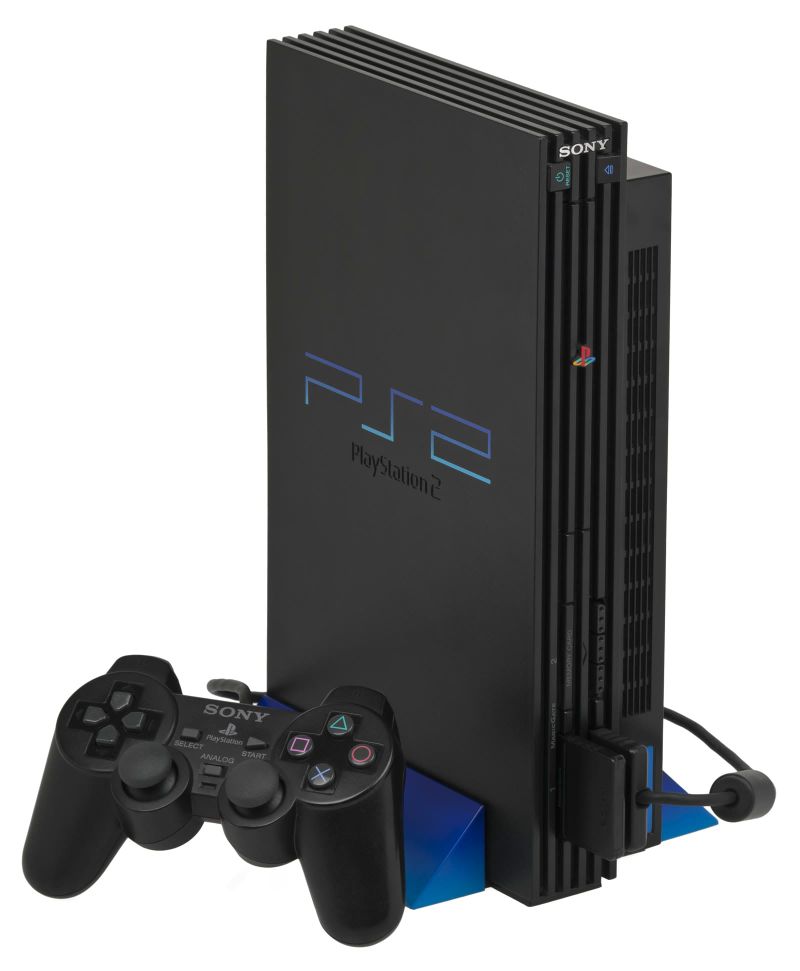
The Matrix outsold the games at its Japanese launch: a DVD player that played your PS1 discs, an export scare, half the stock for America, the 2001 run and Sony's 160 million.
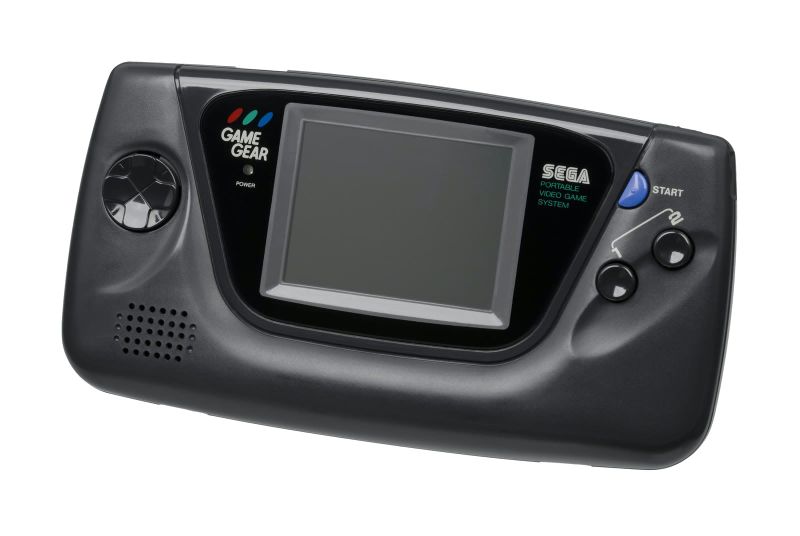
A helicopter on an aircraft carrier, a Master System turned sideways, a backlit colour screen that ate six AA batteries, and a TV tuner in the cartridge slot.
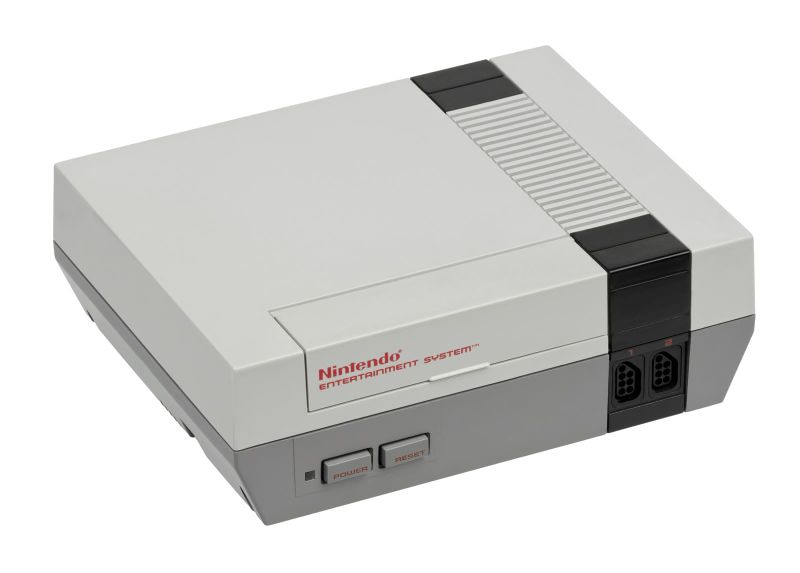
The console that brought video games back to American stores by pretending to be a toy, from a robot called R.O.B. and the lockout chip to the blinking light, the VCR slot and the Mario that made it.
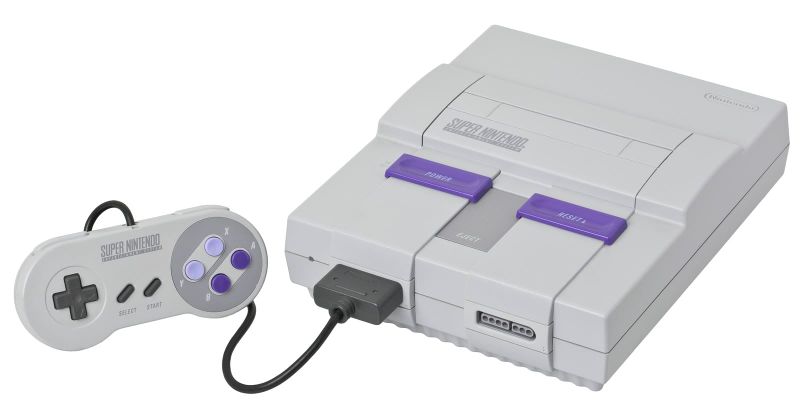
Nintendo's 16-bit console came late and caught up on games: Mode 7, the chips inside the cartridges, the controller every pad still copies, and the Sony PlayStation that was almost a Super Nintendo add-on.
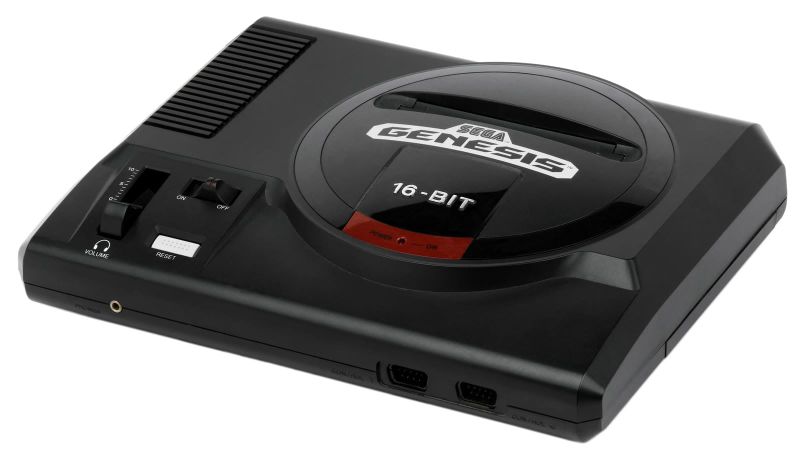
The rebel 16-bit console: Sonic in the box, the ads that went after Nintendo, EA's yellow tab, the court case over reverse engineering, and the Brazil that never let it go.
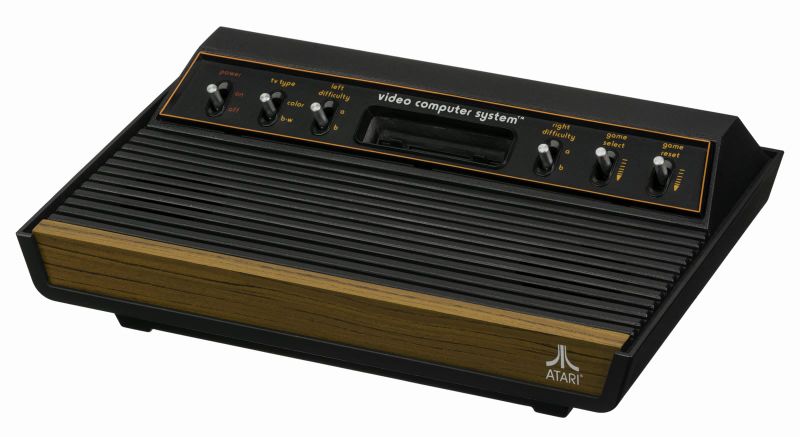
The console that made cartridges normal, from Combat in the box in 1977 to 128 bytes of RAM, racing the beam, the E.T. landfill and a 2600+ that still plays your old carts.
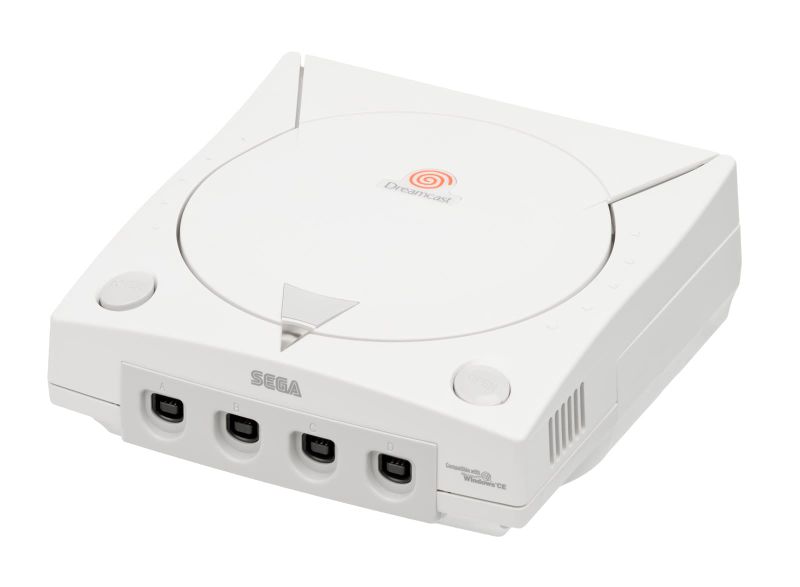
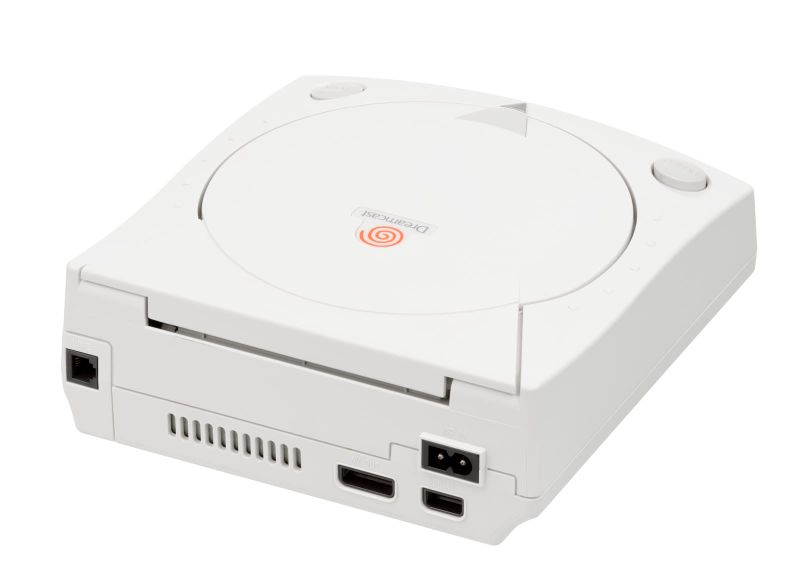
Sega’s last console, from 9/9/99 and a modem in every box to the PowerVR2 chip, the VMU and the fans who keep it alive.
DSlot is a free system for the Anbernic RG DS Plus that turns your games into cartridges you drag into a slot, with 23 systems behind one menu. Here’s what it does, how to try it and what isn’t finished.
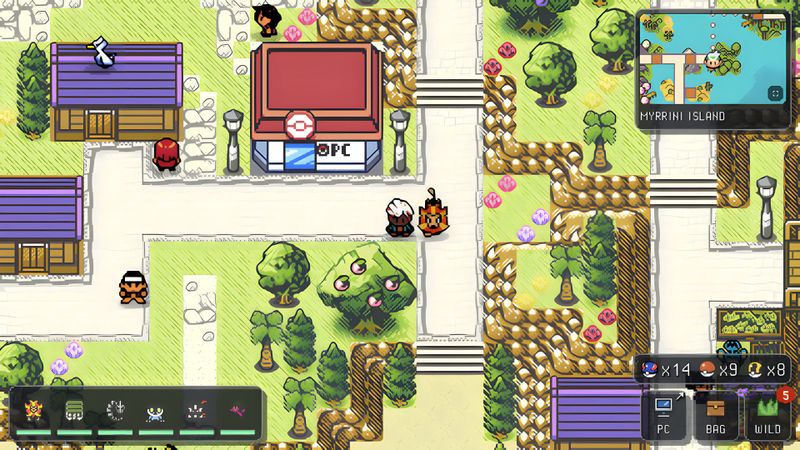
A free, open-source Pokémon player that reads your game as you play and puts your party, map and battles on your handheld’s second screen. Here’s what it does and what it runs on.
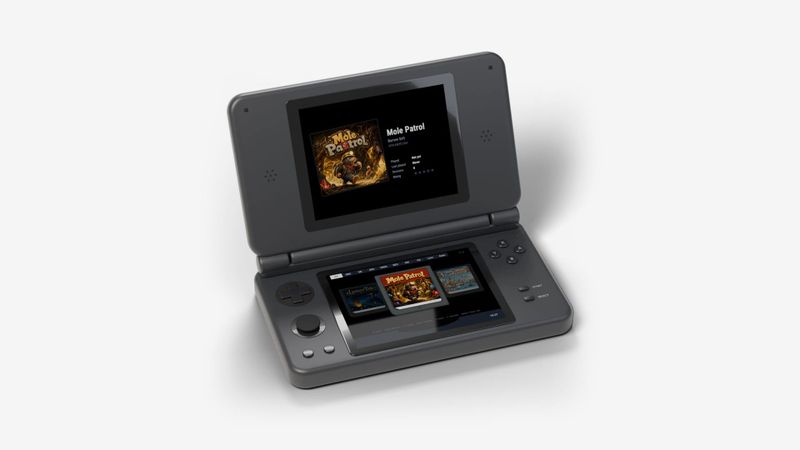
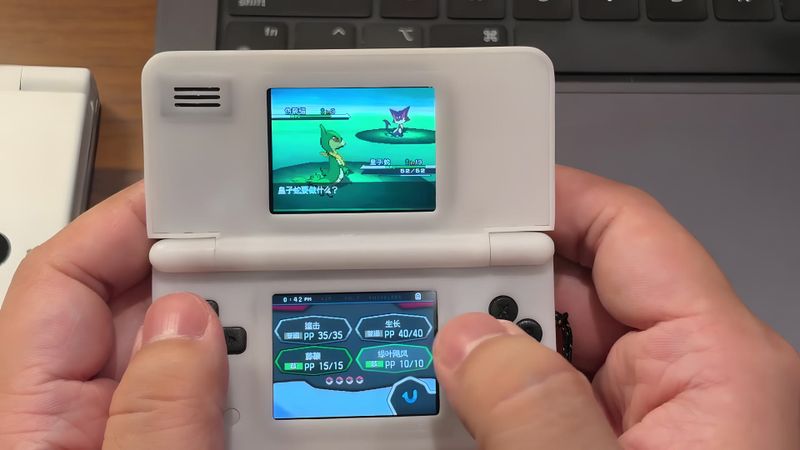
A one-person build log turned into a working dual-screen handheld about the length of a bank card. It plays DS games and 11 older systems, and you can’t buy one yet.
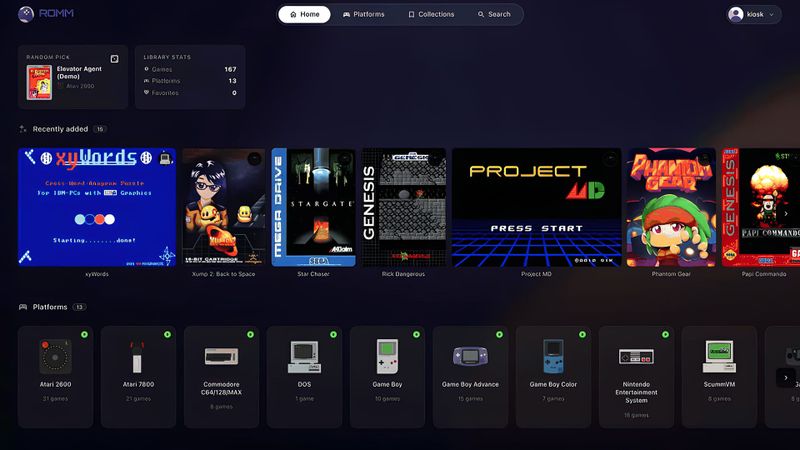
RomM keeps one retro library and your saves in sync across handhelds, PCs and the Steam Deck. Here’s how it works and what 5.5’s save channels fix.
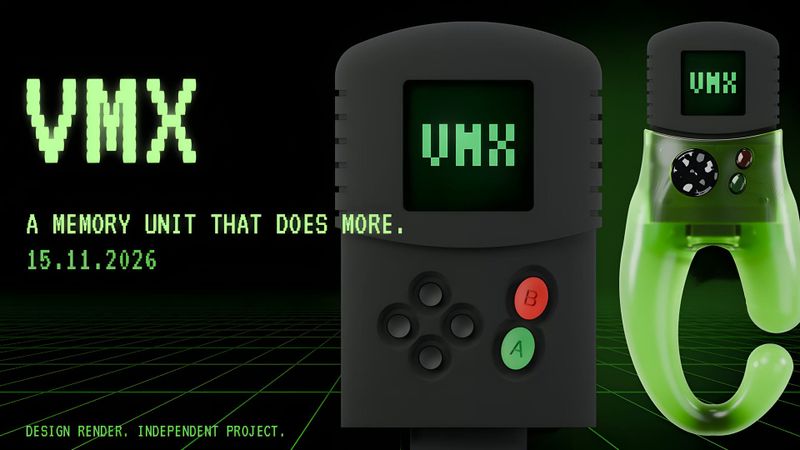
A fan project imagines the Dreamcast VMU for the original Xbox: a memory unit with its own screen, 30+ games and a browser simulator. It isn’t for sale yet.
From January 2027, Android starts blocking apps from developers who haven’t registered with Google. What it means for emulators from GitHub, Obtainium updates and your handheld.
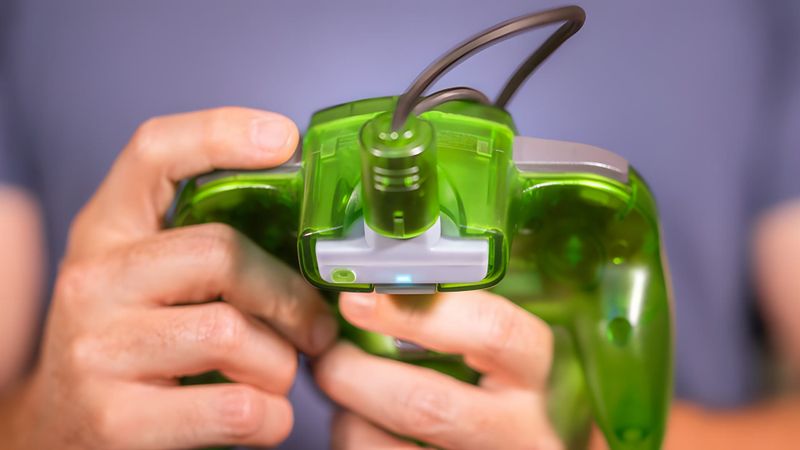
Bridge is a two-part adapter that makes any wired N64 controller wireless without opening it up. How it works, Paks, latency, battery, and the $39, 200-unit December launch.
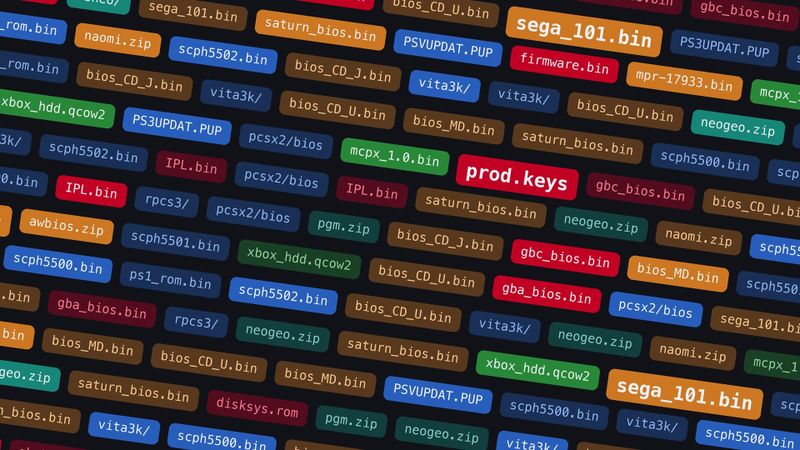
Most Android emulators need no BIOS. Here are the ones that do, the exact file names and folders they expect, the checksums to check them against, and the two you can get free from Sony.
Plug a Game Boy cart into Retro Song Bird and it plays the game’s soundtrack. It also backs up saves and turns a Game Boy Camera into a webcam. $79 on Kickstarter.
A homemade cartridge reader that plugs into a Dreamcast and plays your real N64, SNES and Genesis carts, saves and all. Free plans, no kit to buy.
A brand-new Neo Geo AES from Plaion and SNK, on custom chips rebuilt from the original hardware. Your old cartridges work, and it’s due September 2027.
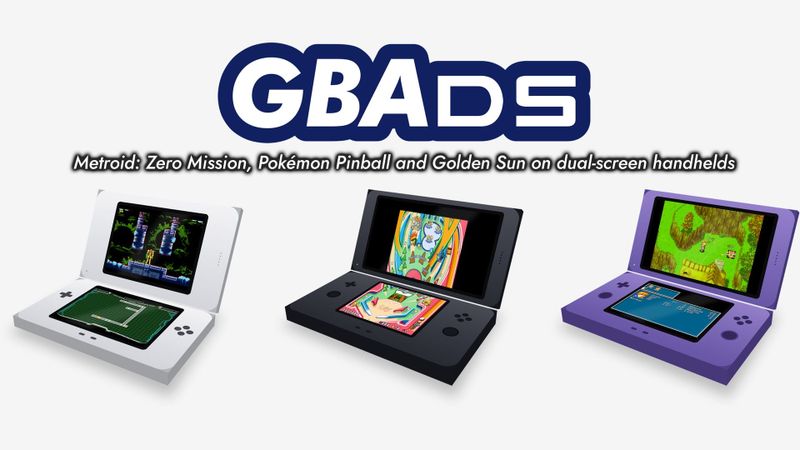
A free Game Boy Advance emulator for dual-screen handhelds that keeps each game’s own map, HUD or status screen live on the second screen. What 1.5 adds, which games and handhelds work, and how it plugs into ES-DE.
Blaze’s CEO flew to the factory and says the fault behind Nexus screen glass that sticks up is found and fixed. Replacements are in stock, limited editions like for like. How to claim one, and what Blaze still hasn’t said.
PokeMMO puts five Pokémon regions in one free online world, built from your own copies of the games. How to start, what’s different, legendaries, PvP, events, money and the rules.
Retroid’s delivery dashboard now lists Pocket Duo shipments in all five colors, starting with September pre-orders. Here’s which orders have gone out.
A free fan launcher plays the DS Pokémon games as one widescreen picture, and since November 12, Omega Ruby and Alpha Sapphire too, on PC, Android and a modded Switch. Bring your own games.
hakuX built its own core, dropped the BIOS and added Xbox Live revival support in eight days. Here’s where original Xbox emulation on Android stands.
AYANEO's new Android launcher shows your GBA games as 3D boxes and carts and plays them itself, no RetroArch needed. It's GBA only for now, on three handhelds.
Thomas Sanfourche's independent FPGA console for Game Boy, Game Boy Color and GBA cartridges on your TV, with a SNES controller port. What it does, and why it's still a wishlist.
Taki Udon's first FPGA handheld plays Game Boy and GBA carts, claims PS1 and N64 cores and will cost somewhere between $100 and $199. Here's what's on the record so far.
Taki Udon says his FPGA GBA SP plays real cartridges and targets around $100, and a regular GBA shape is in the works. Here’s what he showed, and what’s still a prototype.
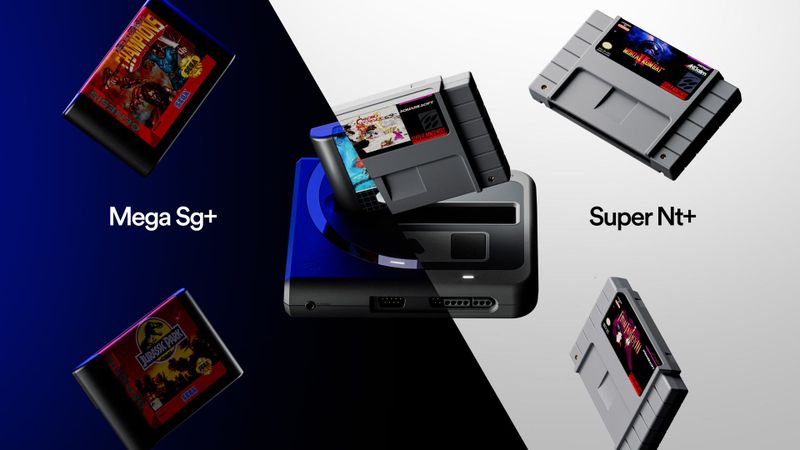
Analogue’s refreshed SNES and Genesis FPGA consoles add Bluetooth, USB-C and hot-swapping. Here’s the price, the dates, the versions and what still works.
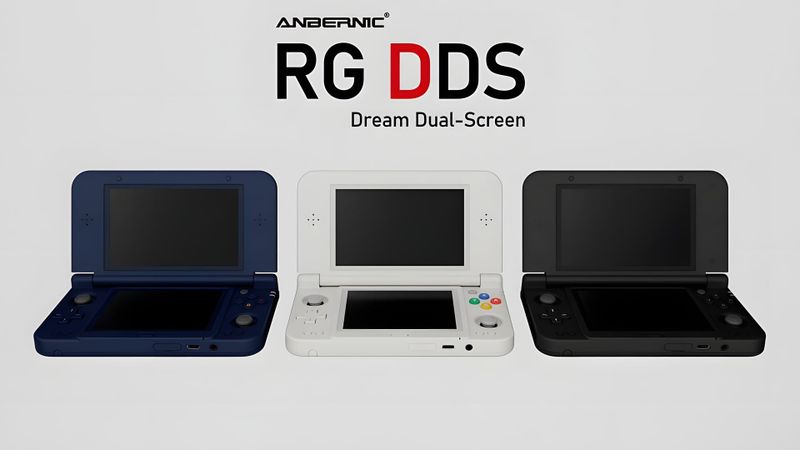
Anbernic opened RG DDS pre-orders at the prices its AliExpress store leaked a day early. Here’s what each version costs, when it ships, the full specs and how it compares.
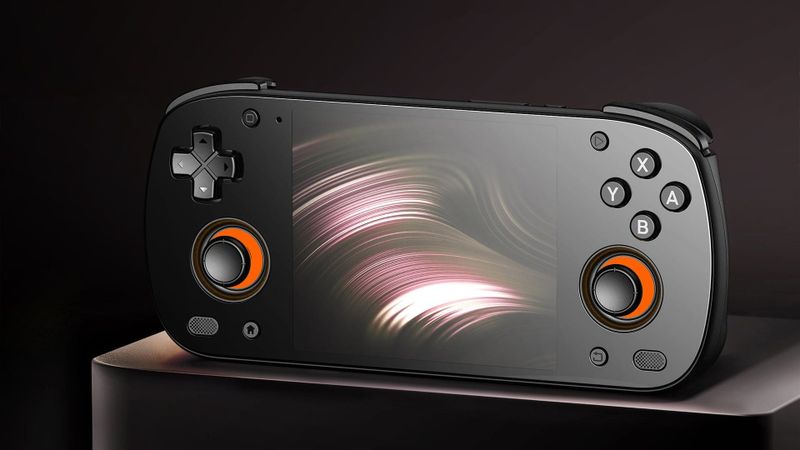
AYN’s Odin 3 Portal starts at $399, keeps the 7-inch OLED and has started shipping. What’s confirmed and how the Odin 2 Portal compares.
Magic64 is an upcoming community firmware for the ModRetro M64 that promises six systems, including PlayStation. What has been shown, and what is still a claim.
ModRetro’s Chromatic now comes in transparent plastic for $149.99. What changed from the metal model, what reviews say and how it ties to the M64.
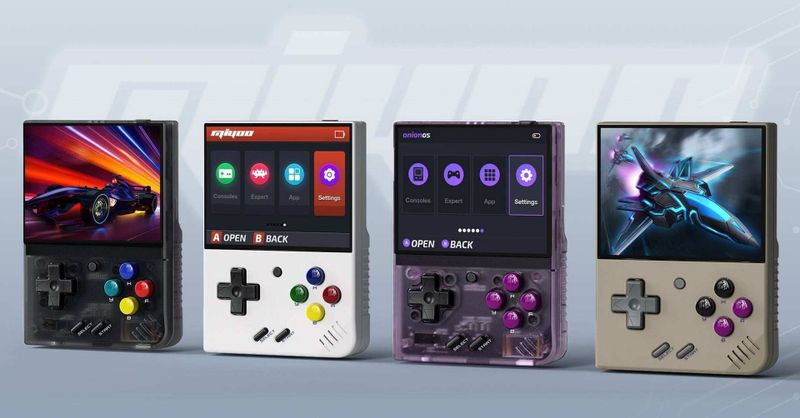
Miyoo’s 3.5-inch vertical handheld is still on sale for $59.99. What it plays, Onion OS, the new real-time clock, the bundled card and how it compares.
AYANEO’s KONKR Pocket Block is a Game Boy-shaped Android handheld with a 3.33-inch 4:3 screen and a Helio G85, from $79, and it’s shipping now.