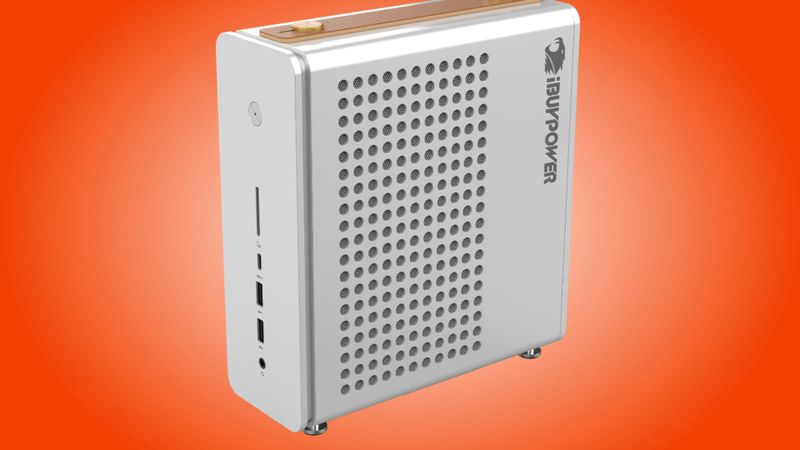
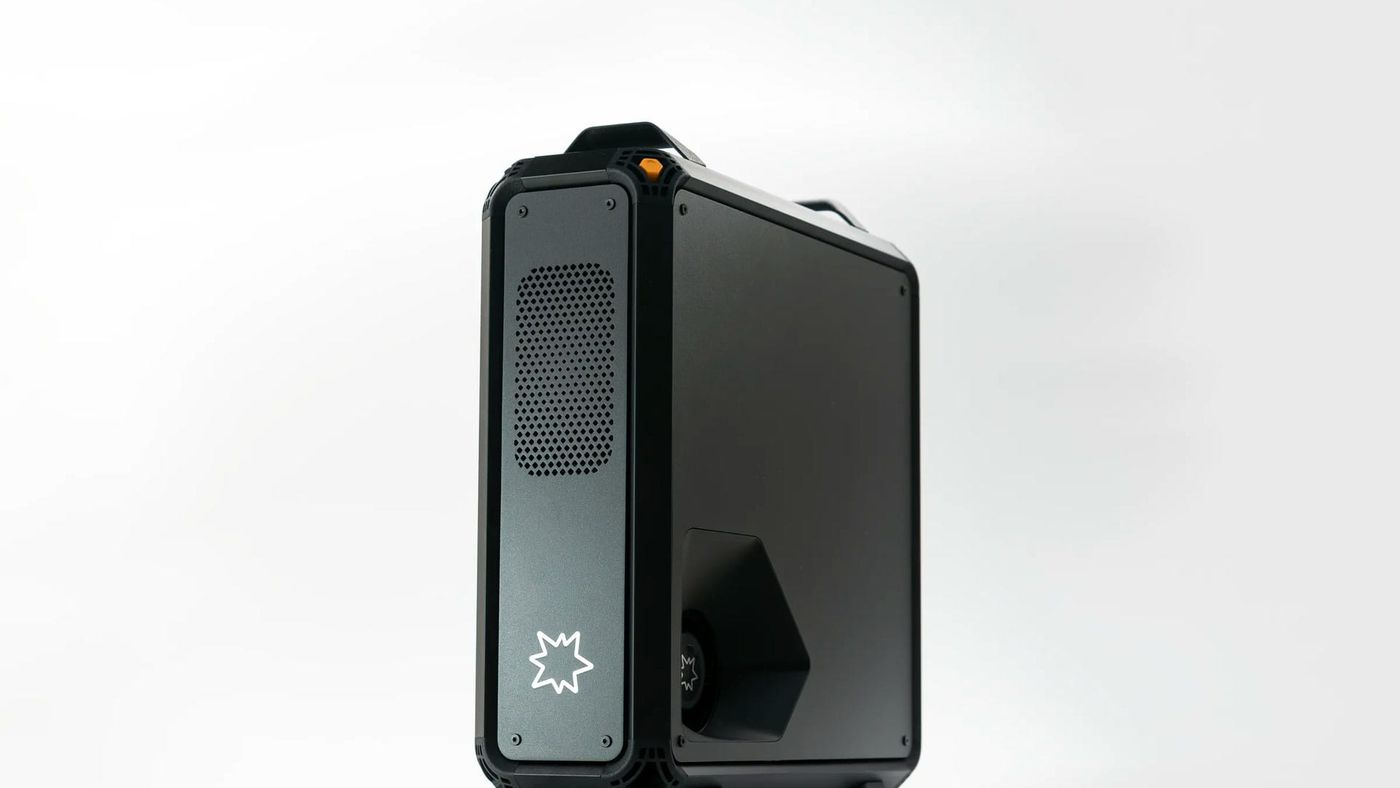
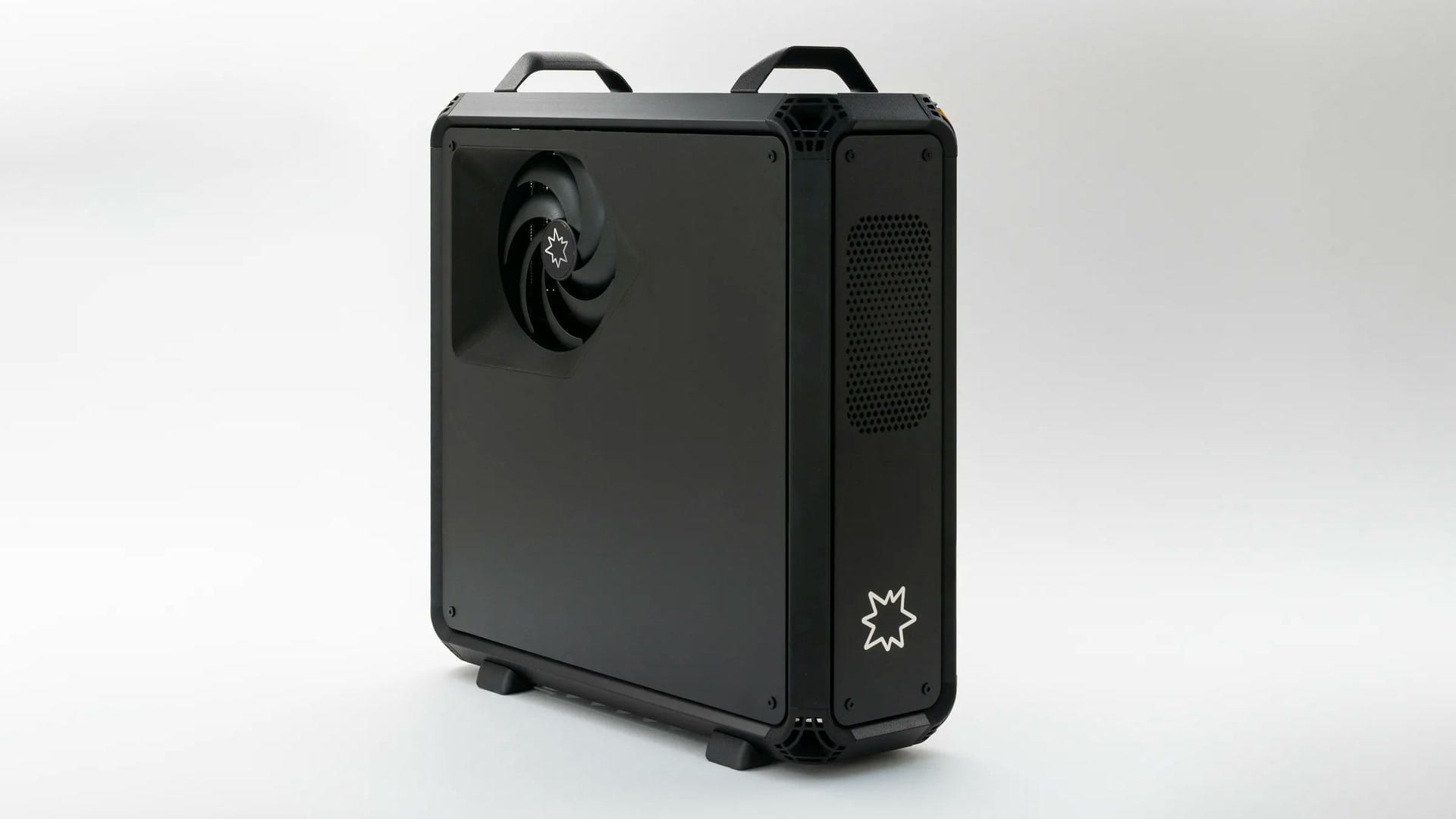
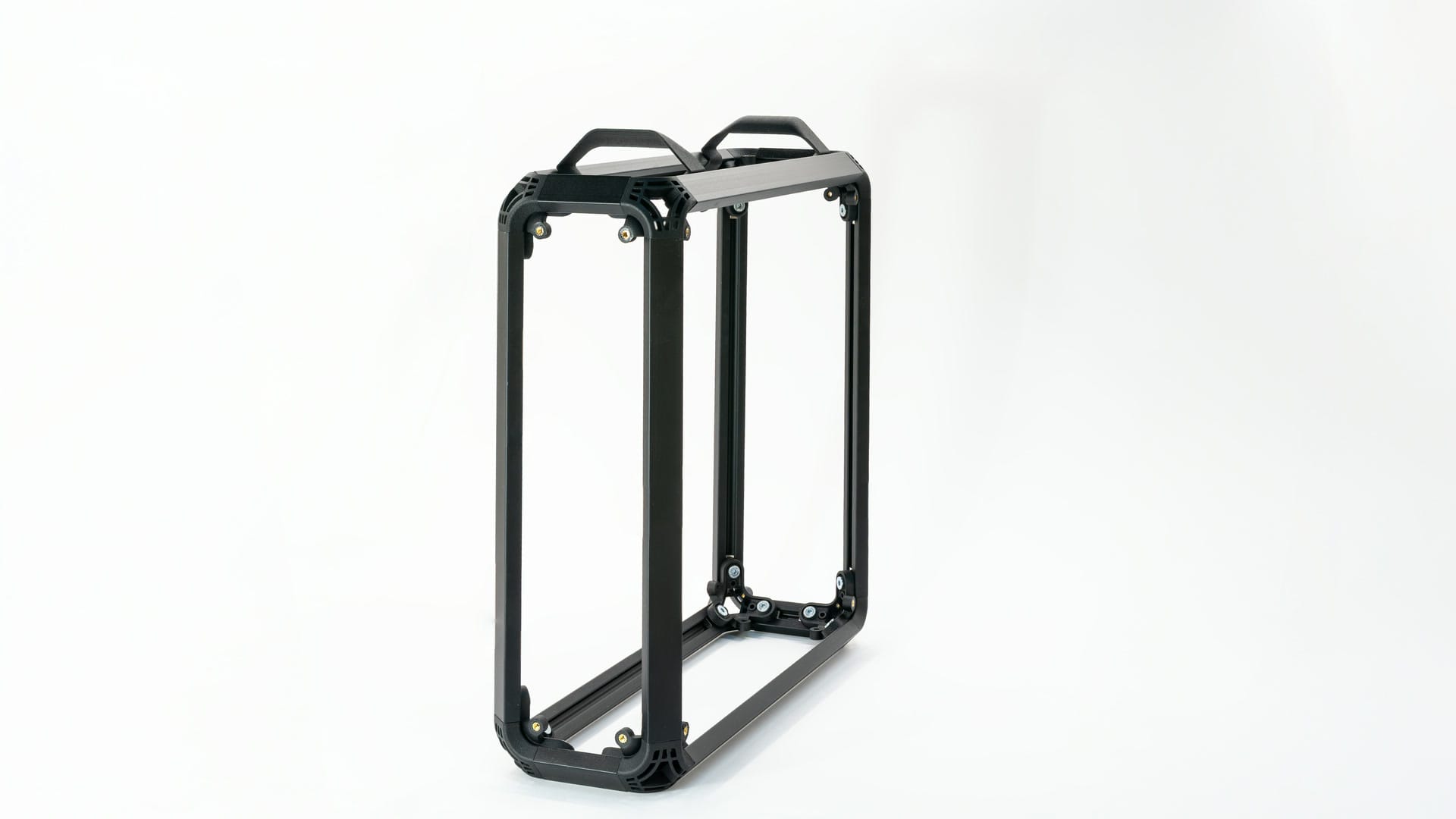
Lucebox has opened orders for the Lucebox Zero 495, a local AI workstation that combines AMD’s Ryzen AI Max+ PRO 495 with a Radeon AI PRO R9700 graphics card in a single 12-litre aluminium case. The base model has 128 GB of unified memory and costs $5,999 for the first 200 units, according to Lucebox’s product page, with a 192 GB version for $2,000 more. Adding the R9700’s 32 GB brings the total to 160 or 224 GB of memory for AI models, which is how Wccftech headlined it. Shipping is planned for January 2027.
What Lucebox is selling
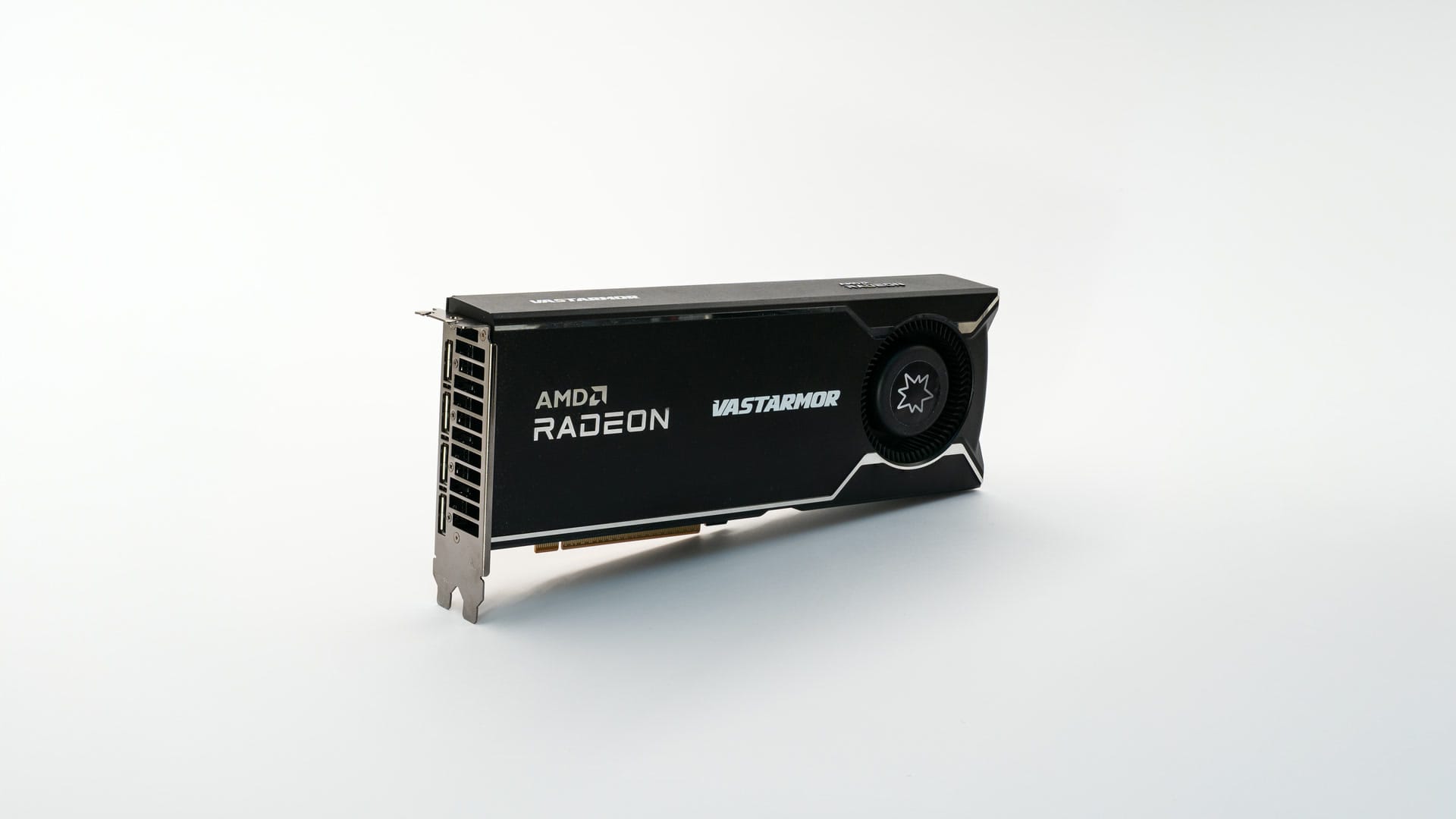
The Zero 495 is built around the same processor this site covered in the Ryzen AI Max+ PRO 495 article and the Framework Desktop 192GB article. It has 16 CPU cores and integrated graphics that share one pool of LPDDR5X-8533 memory, rated at 273 GB/s. What sets the Lucebox apart is the second processor in the case: a Radeon AI PRO R9700 with 32 GB of GDDR6 memory running at 640 GB/s, a workstation card AMD launched at $1,299.
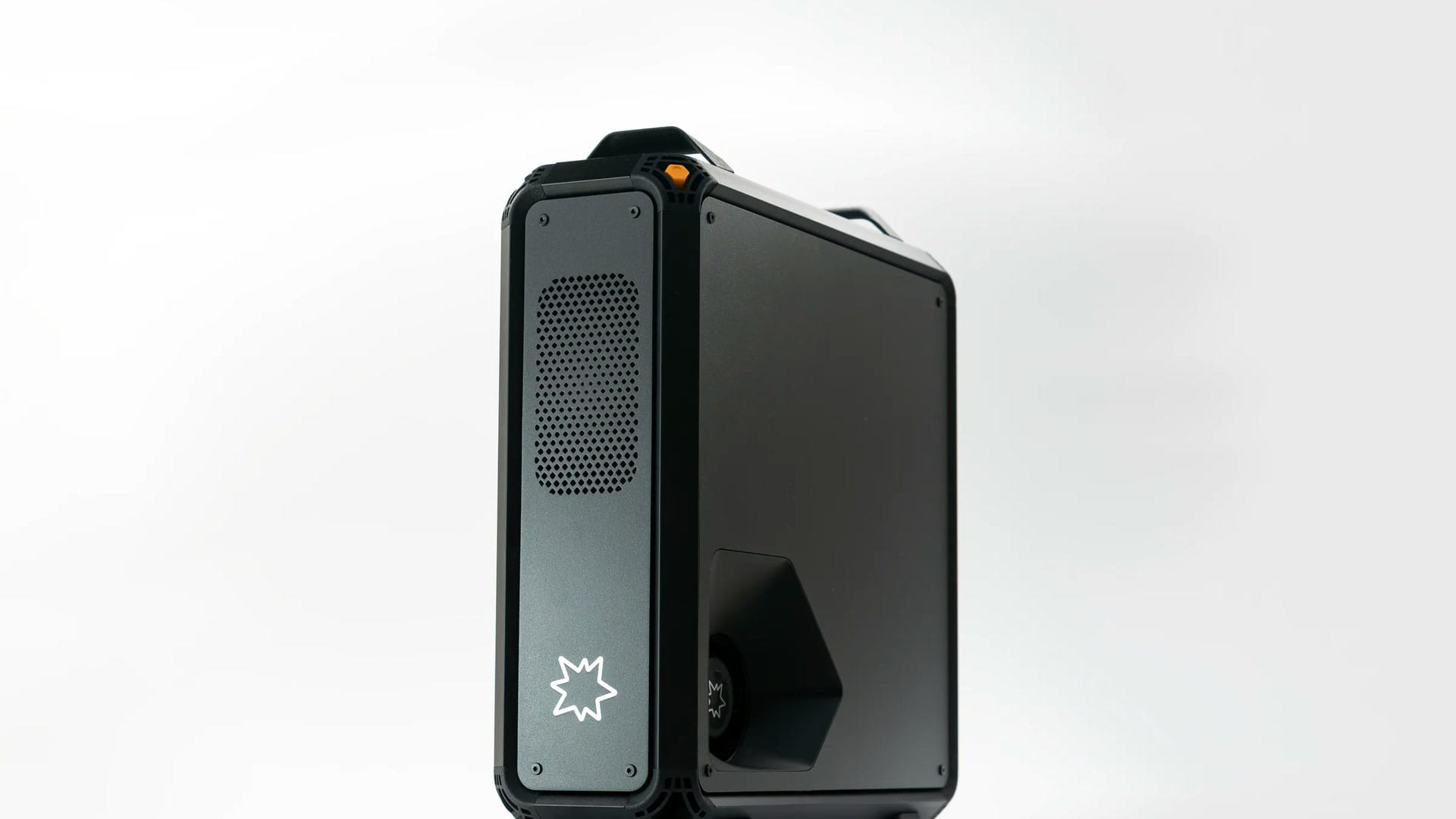
The rest of the specification covers storage, power and connections. It has a 2 TB or 4 TB NVMe SSD, a 1,000 W SFX power supply, 5 Gigabit Ethernet, Wi-Fi 7 and two USB4 ports, according to Lucebox. The company rates it at about 500 W under full load and about 40 W at idle. Wccftech reports the case at 340 by 110 by 320 mm and 6 kg, with the R9700 adding four more display outputs.
How the 224 GB works
The headline figure needs one clarification. The 224 GB is two separate pools of memory: up to 192 GB shared by the Ryzen processor, and 32 GB on the R9700. Each pool is fast on its own, but the graphics card connects over a PCIe 4.0 x4 link, according to Wccftech, which carries roughly 8 GB/s. That matches the x4 slots on the Framework and Minisforum boards built around the same chip.
In practice, software has to divide a model between the two pools, and anything crossing that link moves far more slowly than data inside either pool. Lucebox says it runs DeepSeek V4 Flash, a model of about 284 billion parameters, across both devices. That makes the combined total useful for models too large for either part alone, while the best speed comes from keeping the busiest work on one side.
Performance claims
Lucebox compares the Zero 495 with Nvidia’s DGX Spark, a compact AI system with 128 GB of memory. Nvidia has since brought the same Grace Blackwell idea to Windows laptops as RTX Spark. On its product page, Lucebox reports 86 tokens per second when generating text with DeepSeek V4 Flash, against 35.3 for the Spark, and 61.3 tokens per second with Qwen3.8-27B. The same table shows the Spark ahead at prefill, the stage that reads the prompt, at 1,076.8 tokens per second against the Lucebox’s 788. The “2x faster” claim therefore covers text generation, while the Spark stays ahead at reading long inputs.
These are the company’s own measurements, and independent testing has not been published. Wccftech also cited a Lucebox blog post showing AMD’s ROCm software beating the Vulkan alternative by 28 to 47 percent, but that test ran on the older Ryzen AI Max+ 395 with the R9700 left idle, so it says little about this machine.
Software and who it is for
The Zero 495 ships with Ubuntu Server, AMD’s ROCm software and Lucebox’s own open-source inference engine, with models preinstalled. It offers an API compatible with OpenAI and Anthropic tools, so coding assistants such as Claude Code and Codex can point at it, and it runs fully offline with no Lucebox account required. Buyers get root access and can install other software. That makes it a finished appliance for teams that want private AI on their own hardware without assembling the stack themselves.
Price, terms and the company
The Developer edition costs $5,999 with 128 GB and 2 TB for the first 200 units, against a list price of $6,999. The 192 GB upgrade costs $2,000, 4 TB of storage costs $250, and a $799 cluster kit adds a 100 Gigabit network card for linking two systems. A Business edition at $7,999 adds a year of Lucebox Engine Pro and onboarding. European buyers pay €6,499 and UK buyers £5,999, with taxes, duties and shipping included, according to Lucebox’s store.
The terms deserve a careful read. Payment is taken in full at checkout for a January 2027 delivery, with a full refund available if the order is cancelled before shipping. After delivery there is a 14-day return window, with a 25 percent restocking fee outside the EU and UK, and a one-year warranty. Lucebox is the product of AGMI AI, a company founded in 2026 and backed by Y Combinator, so it has no long delivery record yet.
How it compares with other 495 systems
Against the two 192 GB systems this site has covered, the Lucebox is the only one with a dedicated graphics card included. Prices for the other two are those listed when this site covered them in late September.
| Lucebox Zero 495 | Framework Desktop (495) | Minisforum MS-S1 MAX-P495 | |
|---|---|---|---|
| Price, 192 GB with 2 TB | $7,999 launch offer ($8,999 list) | $7,449 pre-built | $7,399 sale |
| Dedicated GPU | Radeon AI PRO R9700, 32 GB | None | None included |
| Total AI memory | 224 GB (192 + 32, two pools) | 192 GB | 192 GB |
| Size | 11.97 litres | 4.5 litres | Compact desktop |
| Ships | January 2027 | From November 2026 | Listed for sale |
The Framework and Minisforum machines are smaller and ship sooner, and Framework’s standard Mini-ITX board can move to a new case later. The Lucebox trades size for a second, very fast memory pool and a ready-made software stack. For anyone who would otherwise buy a 495 system and add an R9700 separately, it removes the work of finding a case and power supply that fit both.
Why this one stands out to me
I have now covered three 192 GB machines built on this chip, and this one is in a different class. It is a beast of a machine, and the combination of 224 GB of memory, a 12-litre case and a preinstalled local AI stack is exactly the direction I hoped these systems would take. I would want to see independent numbers and a few delivered units before recommending one at this price, but as a statement of what a compact AI workstation can be, it is genuinely exciting.