News · News · Console Gaming
A Big Switch Cartridge Chip Maker Is Phasing Out ROM. Here’s What That Actually Means
Macronix is winding down the ROM chips inside original Switch game cards. Switch 2 cards look like they come from someone else.
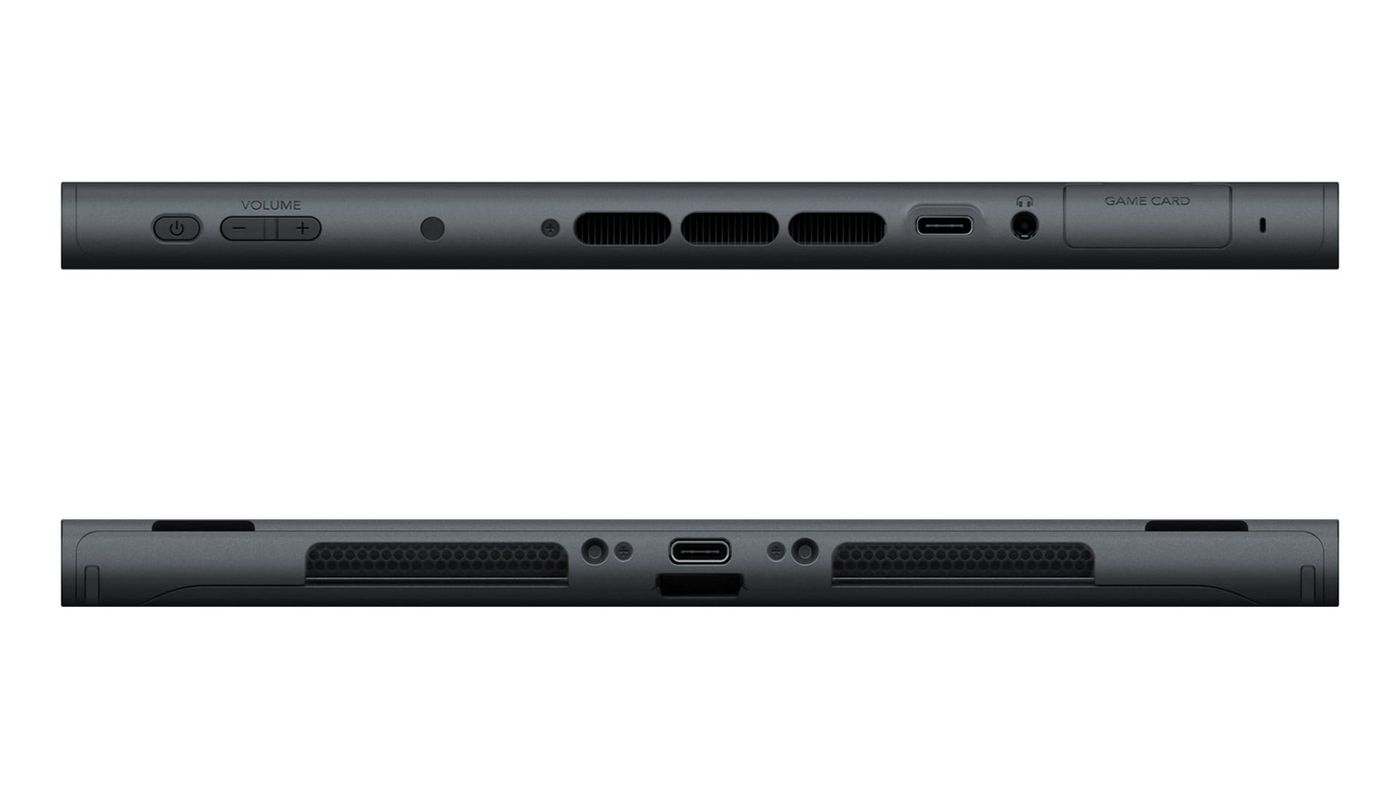
Slide a Switch game card into the console and the whole game lives on one small chip inside it. For the original Switch, a lot of those chips came from Macronix, a Taiwanese memory maker that told investors last year its ROM chips mainly go into Switch game cards. On October 27, its chairman said on an earnings call that the company is gradually phasing out of ROM production. A week later, an analyst’s post turned that into headlines about Switch cartridges being under threat. The real story is smaller than those headlines, and a bit more interesting. Here’s what Macronix said, why it’s doing it, and whether your Switch 2 games have anything to worry about.
What did Macronix actually say?
That it’s easing out of ROM, slowly. On the October 27 call, chairman Miin Wu said Macronix is gradually phasing out of ROM production, as the Taipei Times reported. Taiwanese summaries of the call from TechNews and Stockfeel add the numbers from Macronix’s slides: ROM was 5% of revenue last quarter, its ROM sales were down 39% on a year earlier, and this quarter’s presentation is the last one that breaks ROM out on its own.
What nobody has found is a date. There’s no end-of-production notice and no last call for orders. Some of the coverage says Macronix is quitting ROM outright, or by a specific date. Macronix hasn’t said either.
What is ROM, and why is Macronix dropping it?
ROM is what Macronix calls the chips that go into game cards: the game is written to them at the factory, and the console only ever reads it, so nothing can wipe it by accident. What’s inside is less clear-cut than the name. Macronix has told investors that its game card “ROM” is built from MLC NAND flash, and Nintendo Patents Watch reports that the company’s chairman described it as NAND plus a controller chip.
Macronix is dropping it because the rest of its business is booming. Its revenue last quarter was a record NT$24.2 billion, nearly three times what it made a year earlier, and almost all of it now comes from NOR and NAND flash, the kind of memory that can be rewritten. The summaries of the call say ROM is fading because the factories are short on room for it. Wu called NAND the high-growth part that will drive Macronix’s growth from here.
That’s also why the drop from 26% to 5% looks so dramatic. ROM sales did shrink, by 39%, but most of that fall in share comes from everything else growing so fast around it.
Does Macronix make Switch 2 game cards?
Probably not, but nobody official has said either way, and this is the part the headlines got ahead of. The analyst who spread the news, David Gibson, wrote on X that Macronix makes the chips in both Switch and Switch 2 game cards, and a Taiwanese magazine reported the same thing last year. Neither said where it came from.
The physical evidence points the other way. Photos of the chips inside Switch 2 game cards show markings that Nintendo Patents Watch ties to Rohm and to a second, unidentified maker, and none of Macronix’s. Original Switch cards, by contrast, carry chips with Macronix’s markings. Rohm’s sales to what it calls the amusement market also jumped about 24% in the six months to September 2025, which EE Times Japan linked to the Switch 2, though Rohm didn’t name the customer. Even Nintendo Life, which ran the story, took “Switch 1 & 2” out of its headline after conflicting reports came in.
Are Switch cartridges going away?
There’s no sign of it. Nintendo already buys game card chips from more than one company: Rohm, which took over the old Oki and Lapis chip business, has chips in original Switch cards too. And Macronix is phasing out gradually, so it isn’t switching anything off tomorrow. Nintendo’s line on physical games hasn’t changed either. In October, Bill van Zyll, Nintendo’s general manager for Latin America, said “There’s no plans to ditch physical,” as Nintendo Life reported.
If this touches anything, it’s the original Switch’s cards, the ones Macronix’s chips are known to be in. MegaChips, the Japanese company that supplies Nintendo with custom game card chips, says on its own site that Macronix makes most of them, under manufacturing agreements with both Nintendo and Macronix. Whether Nintendo needs to move those orders elsewhere, and how soon, is something only Nintendo can answer.
How much does Nintendo already sell digitally?
More than half. Digital made up 60.7% of Nintendo’s software sales in April to September 2026, up from 54.5% a year earlier. Nintendo says its digital sales grew for several reasons, including more people buying the download versions of boxed games and the weak yen. Those figures are by revenue and include DLC and Nintendo Switch Online subscriptions, so they don’t mean six in ten games are bought as downloads.
Then there are Game-Key Cards, the Switch 2 boxes that hold a card without the game on it. Nintendo’s own support page says they “don’t contain the full game data”: the card is a key that downloads the game, and it has to be in the console to play. With that already making physical collectors nervous, it’s easy to see how a chip maker’s earnings call became a cartridge scare.
What happens next?
Nintendo reported its results for April to September on November 5, and they say nothing about game cards or Macronix. Its investor calendar doesn’t list a briefing for them, so nobody has had the chance to ask. From here, the things to watch are whether Macronix ever puts a date on the phase-out, and whether Nintendo or Rohm says who makes Switch 2 game cards. This page will get an update when either company says more.
Nerd Alert
Your Turn
What are YOUR thoughts
What have your experiences been? Let us know.