News / News · News · Controllers & Accessories
New PlayStation Pulse Headset Announced: $99.99, Out November 19
PlayStation Pulse vs Pulse Elite vs Pulse 3D: what changed, what’s gone and what Sony hasn’t said yet.
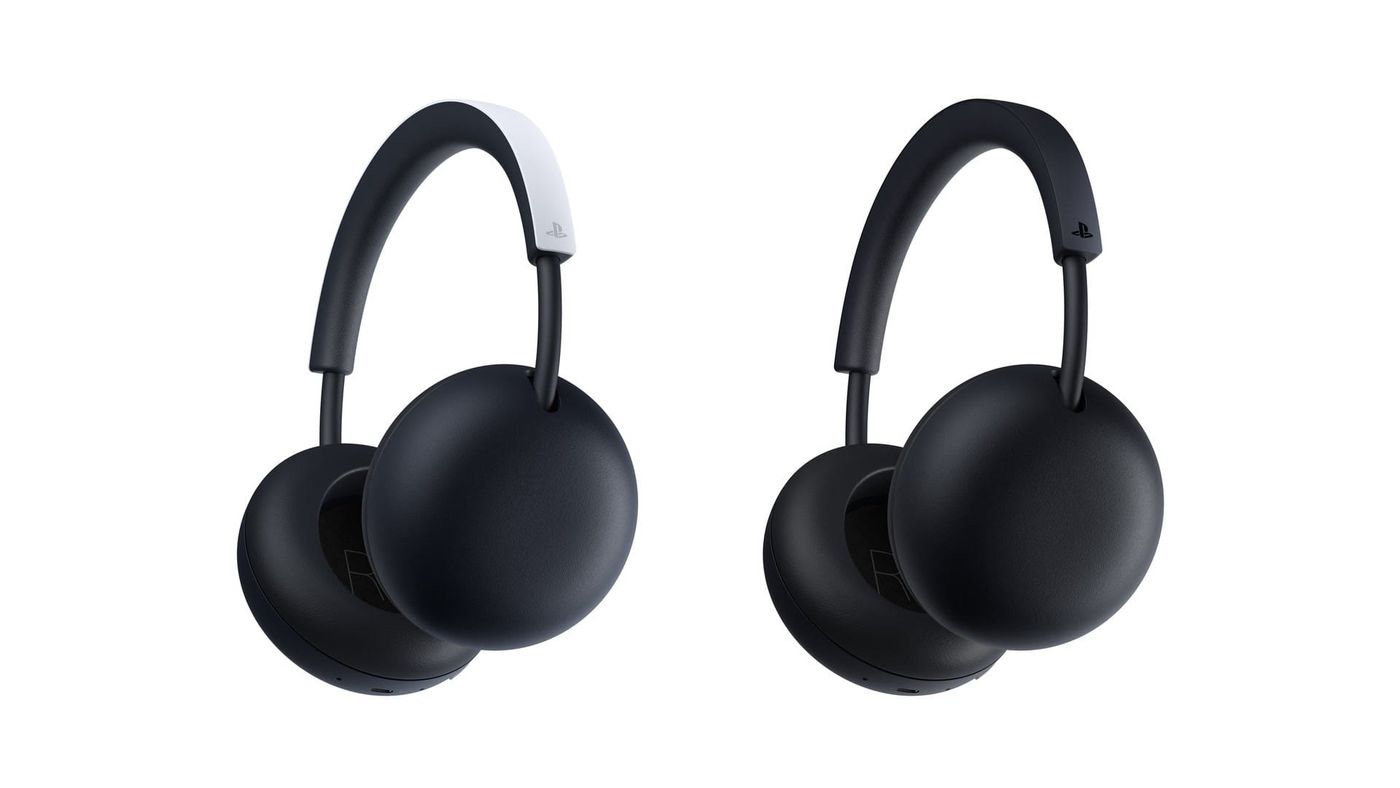
Sony’s new PlayStation Pulse wireless headset is $99.99, pre-orders open October 29, and it ships November 19. That makes it the cheapest way yet to get Sony’s planar magnetic drivers, which until now started at $149.99 with the Pulse Elite. Sony announced the headset back on September 15 and filled in the price and dates on October 21. If you already own a Pulse Elite or a Pulse 3D, the real question is what you gain, what you lose, and what Sony still hasn’t told anyone. Here’s the whole thing, laid out.
What is the PlayStation Pulse?
It’s a new headset, and the first of two in Sony’s refreshed Pulse line. Sony styles it “PlayStation PULSE wireless headset”, plain Pulse with no suffix, and positions it as the follow-on to the 2024 Pulse Elite. The Elite was Sony’s first headset with planar magnetic drivers and PlayStation Link, and Sony says the new line adds larger planar drivers “creating fuller, deeper bass, while keeping the clean sounds players have enjoyed from Pulse Elite”. Sony gives no driver size in millimetres for either headset, so you won’t find one here. The one number it does give is magnets: four per driver on the Pulse, eight on the Pulse Edge.
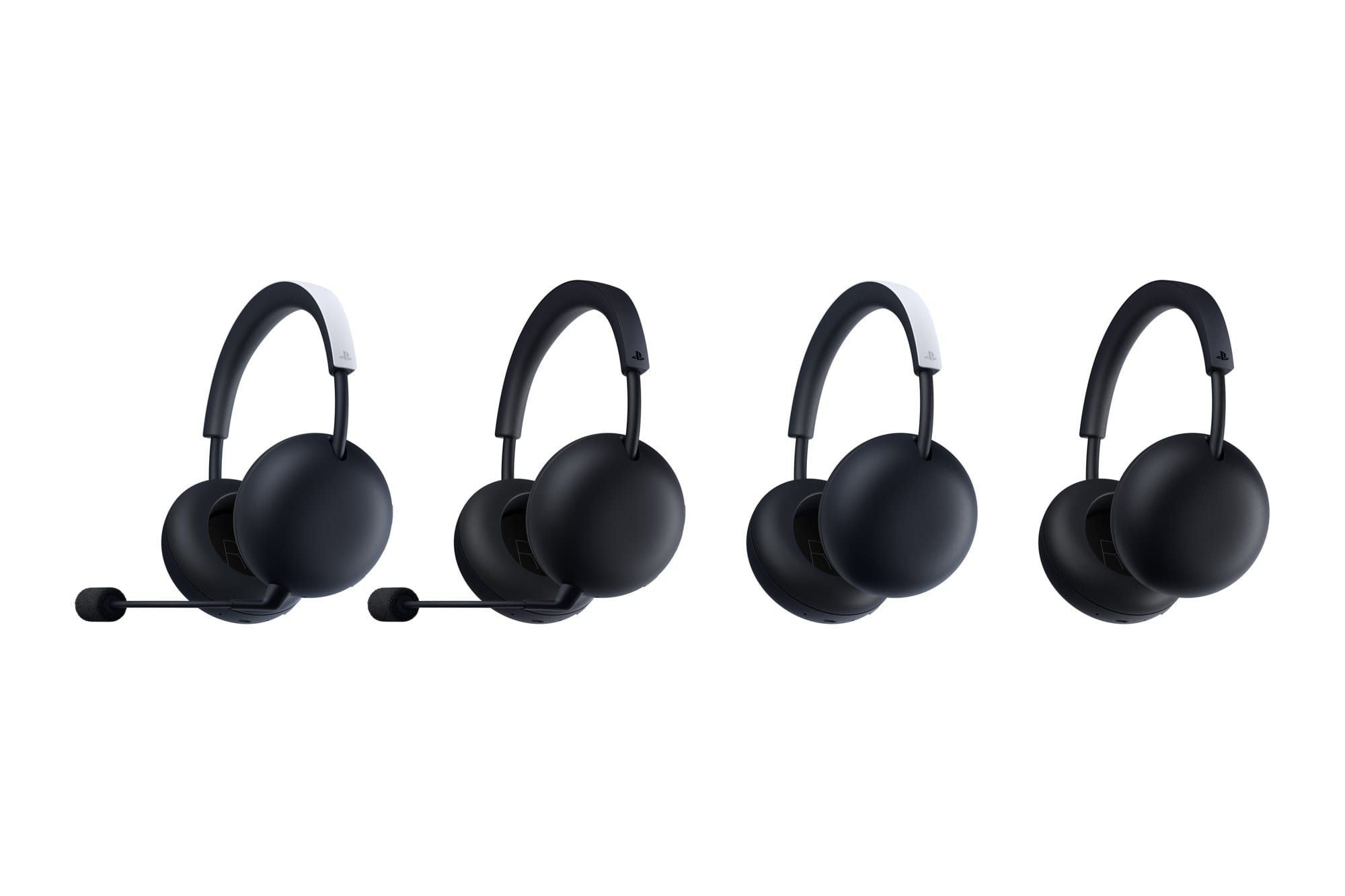
Two things to get straight, because the names are a mess. First, the Pulse Edge is the premium sibling, due in early 2027, with the double-magnet drivers, active noise cancelling, a detachable boom mic, a 3.5 mm jack and a carrying case. Second, Sony used the Pulse name on a PS3 headset back in 2012, including a “Pulse Elite Edition” that has nothing to do with the 2024 Pulse Elite. If a search result mentions PS3, that’s the old one. Sony also isn’t retiring the Elite or the Pulse Explore earbuds: both are still on PlayStation Direct and in Sony’s Pulse range.
How much is the PlayStation Pulse, and when does it come out?
$99.99 in the US, £89.99 in the UK, €99.99 in Europe and ¥15,980 in Japan, with a release date of November 19, 2026. Pre-orders open October 29: in the US from 7:00 am Pacific at PlayStation Direct, and in the UK, France, Germany, Austria, Spain, Portugal, Italy, the Netherlands, Belgium and Luxembourg from 10:00 am local time on PlayStation’s hardware store, plus participating retailers.
The launch list runs to 24 countries: the US, Canada, Australia, New Zealand, Japan, the UK, Ireland, and most of Western and Northern Europe, plus Israel and Ukraine. Sony says other countries follow later. Both colours, White and Midnight Black, are “subject to retailer availability”, so if you want a specific one, pre-order.
PlayStation Pulse vs Pulse Elite: what’s different?
Short version: you pay $50 less, you get the newer, larger planar drivers and a USB-C dongle, and you lose the boom mic and the headphone jack. Here’s the longer one.
The Elite launched at $149.99 in February 2024 and sits at $149.00 on PlayStation Direct today. The Pulse is $99.99. Both use planar magnetic drivers and PlayStation Link, both do Bluetooth at the same time as PS Link, and both have Tempest 3D audio on PS5. Sony says the Pulse’s drivers are larger, with fuller, deeper bass, and that’s a claim to test when reviews land.
Now the losses. The Elite has a retractable boom mic; the Pulse has a built-in mic with the same AI noise rejection branding. Mic quality has been the weak spot on Sony’s headsets. Tom’s Guide found the Elite’s mic “just okay”, with a listener saying the reviewer’s voice sounded muffled, and reviewers said much the same about the Pulse 3D. Moving to an integrated mic doesn’t make that question go away, so wait for reviews on this one. The Elite also has a 3.5 mm jack for a cable. The Pulse has none, which makes it the first Pulse headset with no wired option. The Pulse also drops the Elite’s on-headset mic mute; you adjust game and chat balance and presets in the PS5 menus instead.
One thing the Pulse gains: the PlayStation Link adapter in the box has a USB-C connector. The Elite’s dongle is USB-A, and Gizmodo called that out because the PS5 Slim’s front ports are USB-C. The Pulse’s earcups also rotate to lay flat, which the Elite’s don’t.
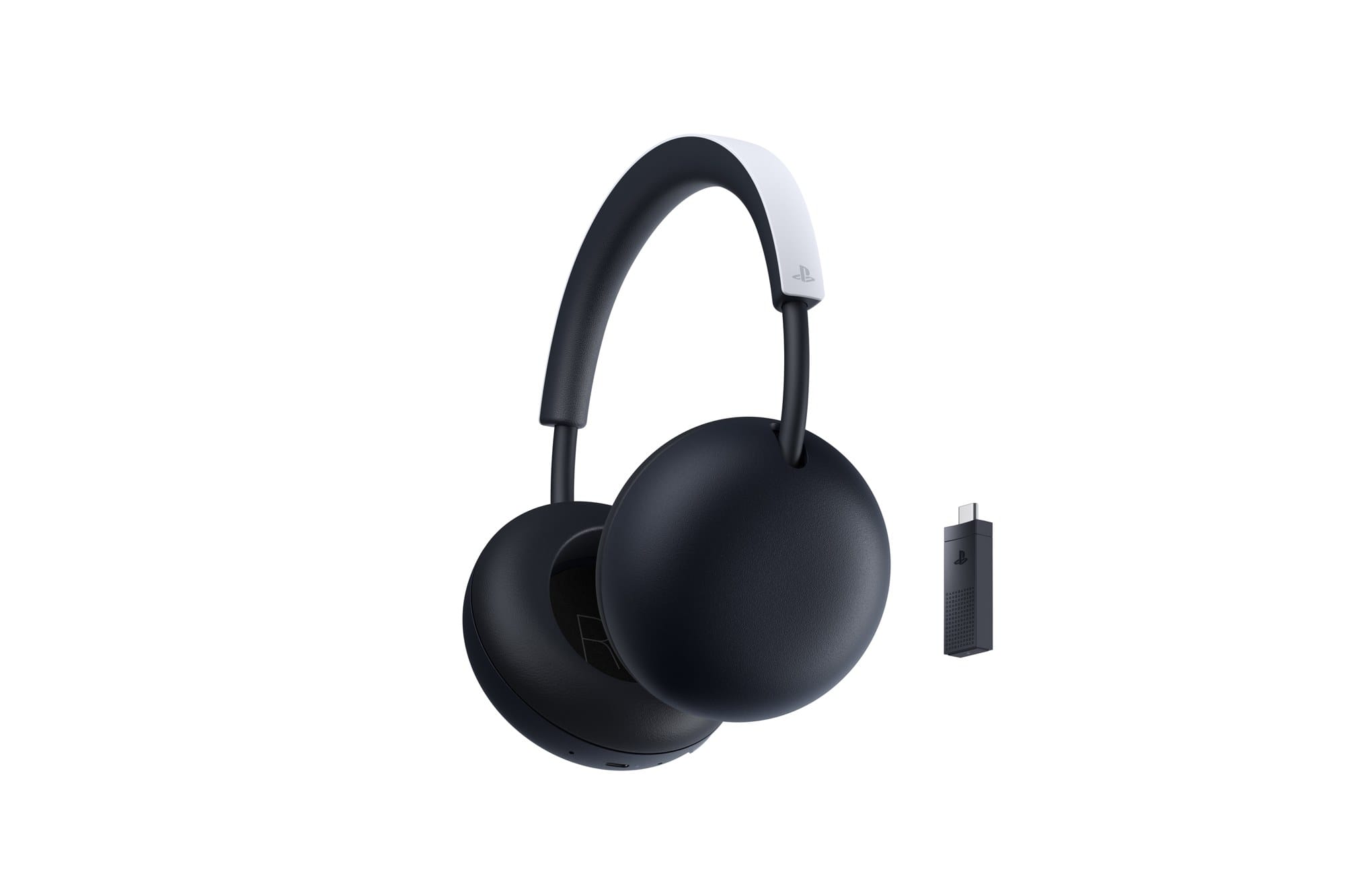
And the big unknown: battery. The Elite is rated for up to 30 hours, and Tom’s Guide got exactly that in testing, with a 10-minute charge good for about 2 hours. Sony hasn’t published a battery figure for the Pulse yet, or its weight. The Elite weighs about 0.4 kg, by Sony’s own UK spec, and reviewers called it slightly heavy. Until Sony says more, there’s no way to know whether the Pulse is lighter or lasts as long.
How does it compare with the Pulse 3D?
Same launch price, six years apart, and almost everything else is different. The Pulse 3D launched with the PS5 in November 2020 at $99.99. For the same money, the new Pulse adds planar drivers, PlayStation Link (which means lossless audio and PlayStation Portal support), Bluetooth at the same time, and the AI mic. The Pulse 3D’s wireless was a plain 2.4 GHz USB adapter, with no Bluetooth, so it reaches the PlayStation Portal only through its 3.5 mm cable.
The Pulse 3D also had things the new one doesn’t. It came with a 3.5 mm cable, so it worked with PS VR and phones, and it had buttons on the headset for game/chat mix and mic monitoring. Its battery was rated at up to 12 hours, and reviewers like Android Central and TechRadar called that a weakness, which is why the Pulse’s unpublished battery figure matters. One more thing: the Pulse 3D is no longer on PlayStation Direct’s US accessories page, though Sony’s product page is still up. Sony hasn’t said it’s discontinued, so don’t read more into that than it says.
| PlayStation Pulse (2026) | Pulse Elite (2024) | Pulse 3D (2020) | Pulse Explore (2023) | |
|---|---|---|---|---|
| Launch price (US) | $99.99 | $149.99 | $99.99 | $199.99 |
| Price now, PlayStation Direct | $99.99 (pre-order Oct 29) | $149.00 | Not listed | $149.00 |
| Release | Nov 19, 2026 | Feb 21, 2024 | Nov 12, 2020 | Dec 6, 2023 |
| Wireless to PS5 | PlayStation Link, USB-C adapter | PlayStation Link, USB-A adapter | 2.4 GHz USB adapter | PlayStation Link, USB adapter |
| PlayStation Portal | Yes | Yes | Yes, by 3.5 mm cable | Yes |
| PC / Mac | Yes | Yes | Yes | Yes |
| Bluetooth | Yes, simultaneous | Yes, simultaneous | No | Yes, simultaneous |
| 3.5 mm jack | No | Yes | Yes, cable included | No |
| Drivers | Planar magnetic, 4 magnets | Planar magnetic | Conventional | Planar magnetic |
| Mic | Built in, AI noise rejection | Retractable boom, AI noise rejection | Dual hidden mics | Two hidden mics, AI noise rejection |
| Battery (Sony) | Not published | Up to 30 hours | Up to 12 hours | 5 hours, plus 10 from the case |
| On-headset controls | Volume | Volume, mic mute | Mute, volume, game/chat mix, mic monitoring | Volume |
| Folds flat | Yes | No | No | No |
| Colours | White, Midnight Black | White, Midnight Black, Marathon edition | White, Midnight Black, Gray Camouflage | White, Midnight Black |
Does it work with the PS Portal, a PC and your phone?
Yes to all three. PlayStation Link covers the PS5, the PlayStation Portal, PCs and Macs, using the USB-C adapter in the box. Your phone connects over Bluetooth, and the two run at the same time, so you can take a call or play music from your phone while game audio keeps coming over PS Link. That’s the same trick the Elite and the Pulse Explore earbuds do.
Can you plug it in with a cable, or use it on an Xbox?
No cable, and Xbox isn’t on the list. There’s no 3.5 mm jack on this headset, so it’s wireless only. Sony lists PS5, PlayStation Portal, PC and Mac over PS Link, plus Bluetooth devices, and that’s it. Xbox, Switch and PS4 don’t appear anywhere in Sony’s materials. If you need a wired option or a headset that moves between consoles, this isn’t the one, and the Pulse Edge with its 3.5 mm jack is the closest thing in Sony’s line.
Should you wait for the Pulse Edge?
Only if you want noise cancelling, a boom mic, a cable or a case, because those are the things the Edge adds, and only if you’re happy to wait until early 2027 for a price Sony hasn’t announced. The Edge doubles the magnets per driver to eight, adds active noise cancelling, a detachable boom mic alongside a hidden one, game/chat balance on the headset, a 3.5 mm jack and a carrying case. Same two colours, same USB-C PlayStation Link adapter.
If none of that matters to you and $99.99 for planar drivers sounds right, the Pulse is here in November. If the mic is what you care about most, you may want to see the first reviews either way, since reviewers haven’t been kind to Sony’s headset mics so far.
Nerd Alert
Your Turn
What are YOUR thoughts
What have your experiences been? Let us know.