News · News · Everyday Tech
Sprout Wants to Give Old iPods Bluetooth, USB-C and Spotify, If You Have the Right One
A new motherboard from Certain Things gives the iPod 3G, 4G and mini Bluetooth, USB-C and a microSD slot, with Spotify on one version. It isn't on sale yet.
https://averagetechnerds.com/sprout-ipod-motherboard-bluetooth-usb-c/
I’ve owned several iPods over the years. I couldn’t tell you which generations, but I know I never had the first one: every iPod I owned was just the wheel, with no buttons around it. I’m pretty sure I had a nano too, though never a shuffle.
When I was at UConn, my iPod was my everyday carry. I had it on whenever I walked outside, and on every walk between classes. This was before I had a smartphone, so I loaded videos onto it as well. I watched anime on that little screen, and I played a couple of games on it, including one from Square Enix whose name I can’t remember anymore.
The iPod is a very nostalgic piece of my life. That’s why I keep looking at these things, and why I keep tracking them.
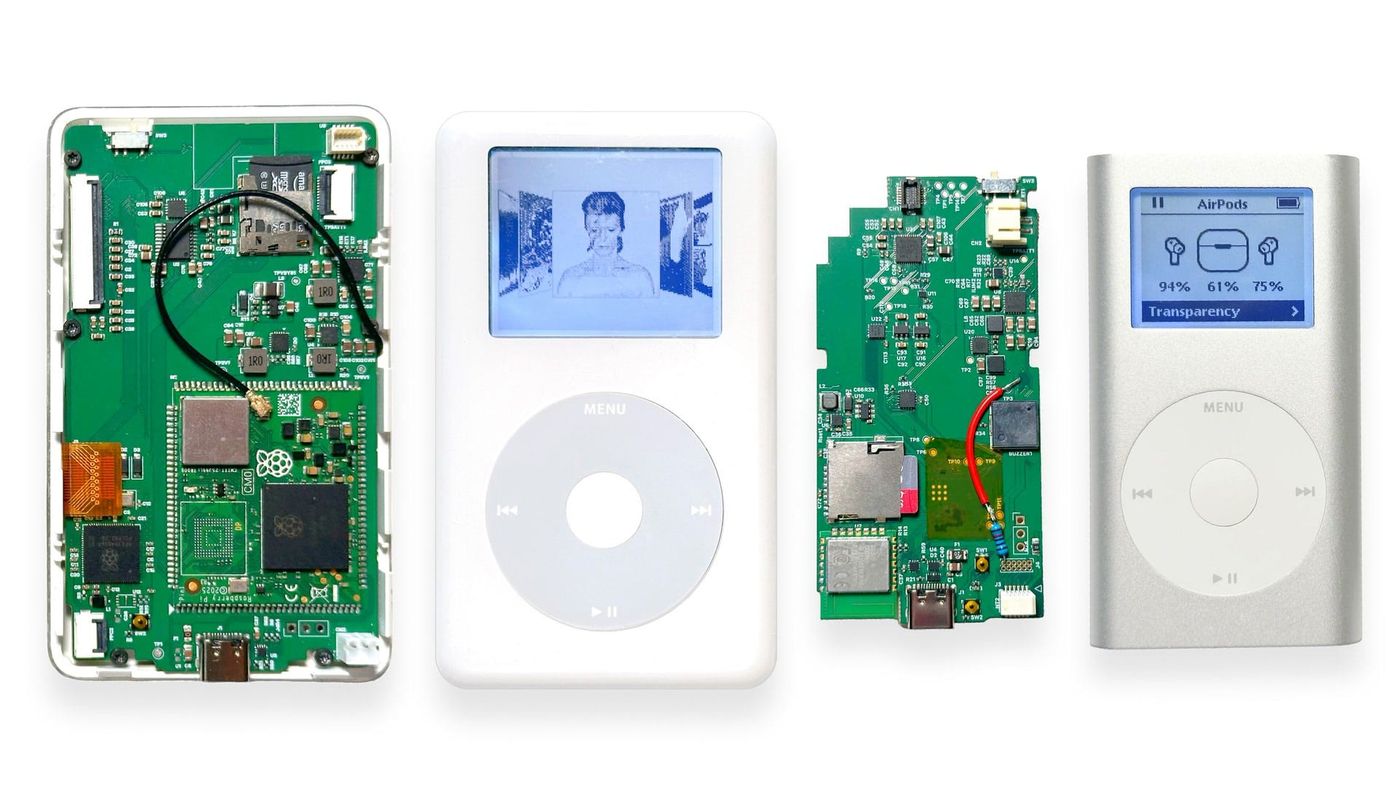
So when a London studio called Certain Things showed off a new motherboard that’s designed to drop into an old iPod and give it Bluetooth, Wi-Fi, USB-C and even Spotify, I had to look. It’s called Sprout, and the catch is in the fine print. It fits only three iPods from 2003 to 2005, probably not the ones I carried. Streaming comes on one version only and is still being worked on, and you can’t buy any of it yet. Here’s what it does, which iPods it fits, and what we still don’t know.
What is Sprout?
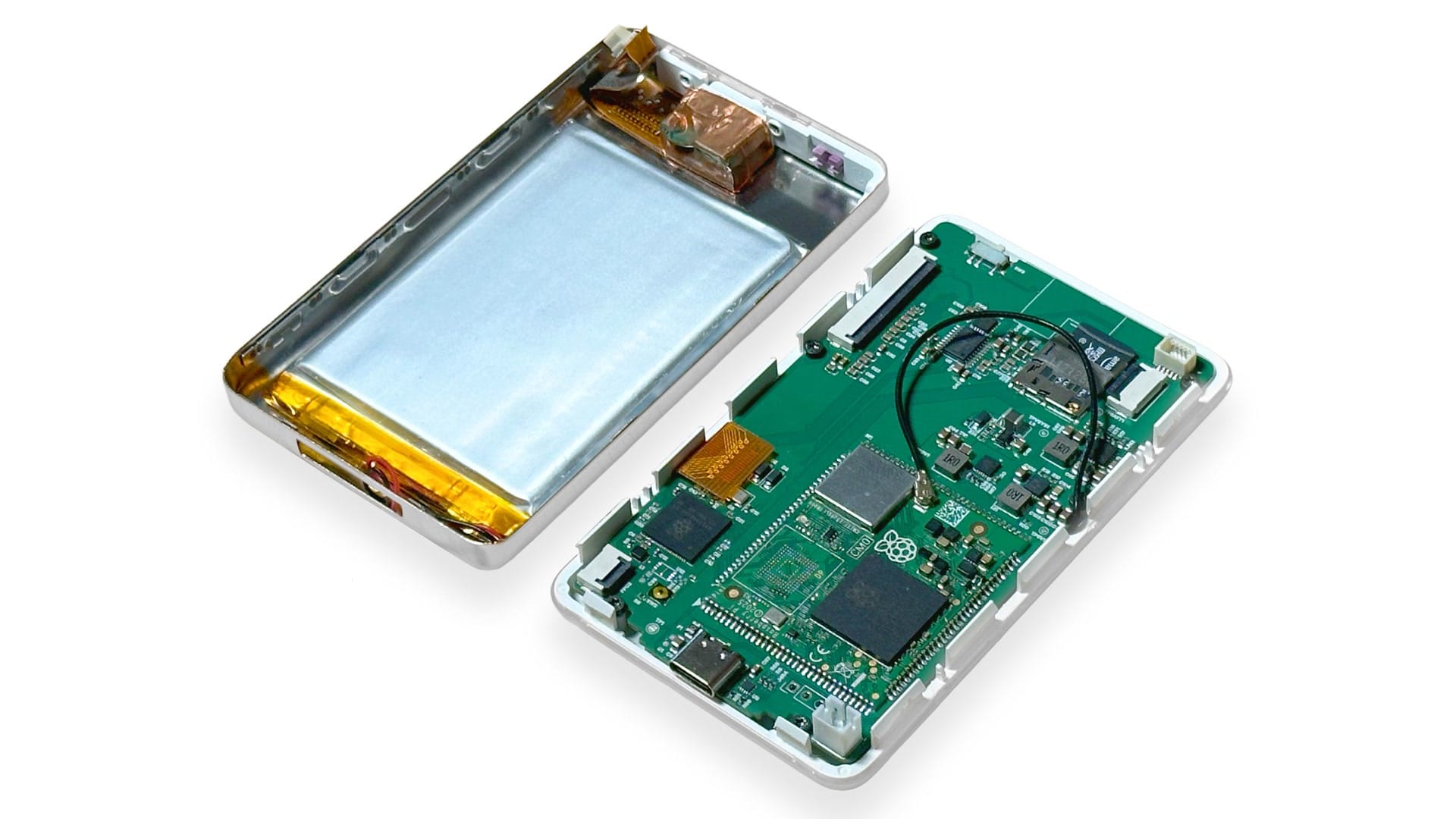
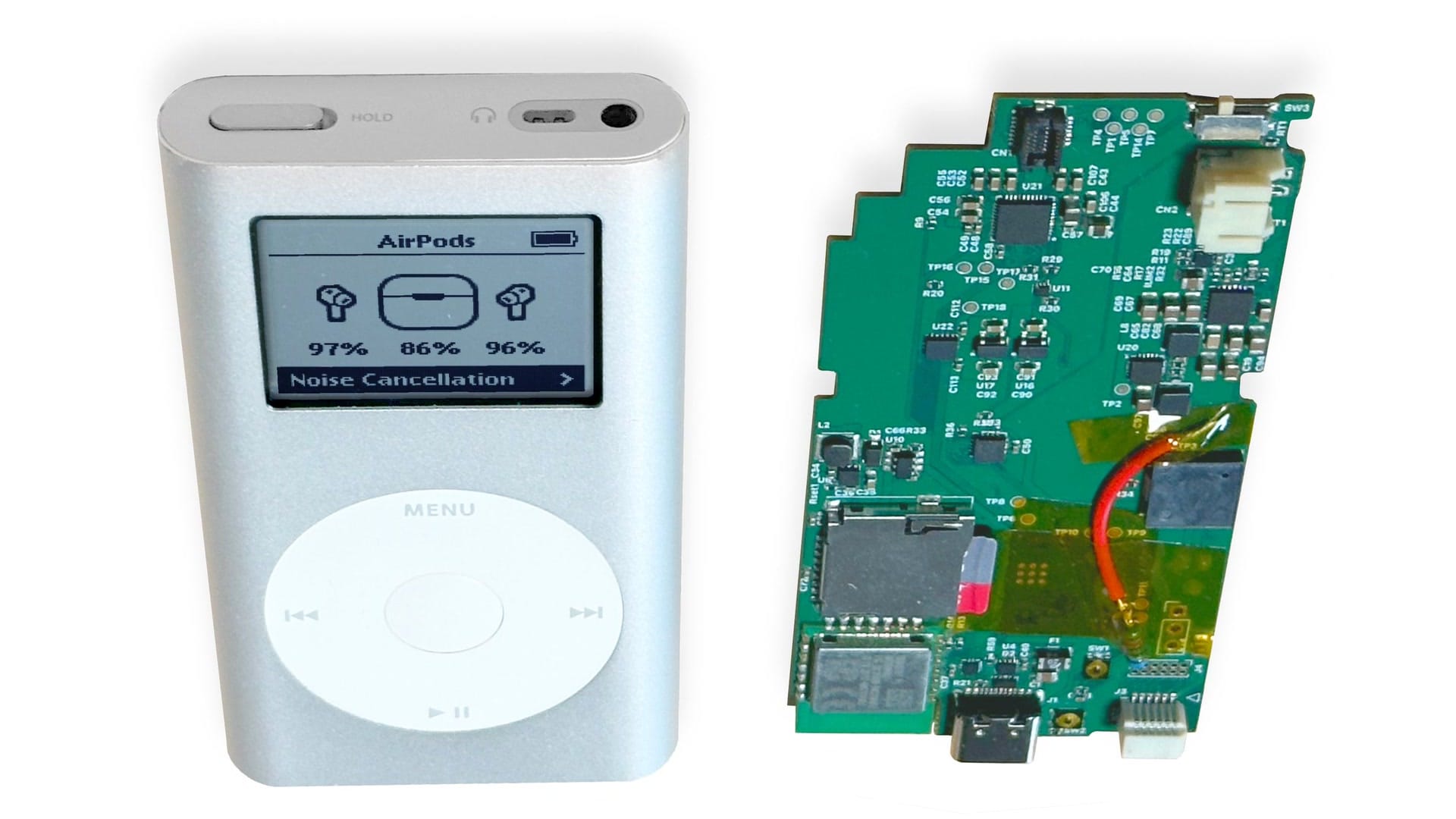
It’s a brand-new brain for an old iPod. You open the iPod, lift out the original board and drop Sprout in its place, and the case, screen, wheel and ribbon cables all stay. Certain Things’ campaign page says it takes a screwdriver and a plastic opening tool, with no soldering, and the studio’s own site calls it fully reversible.
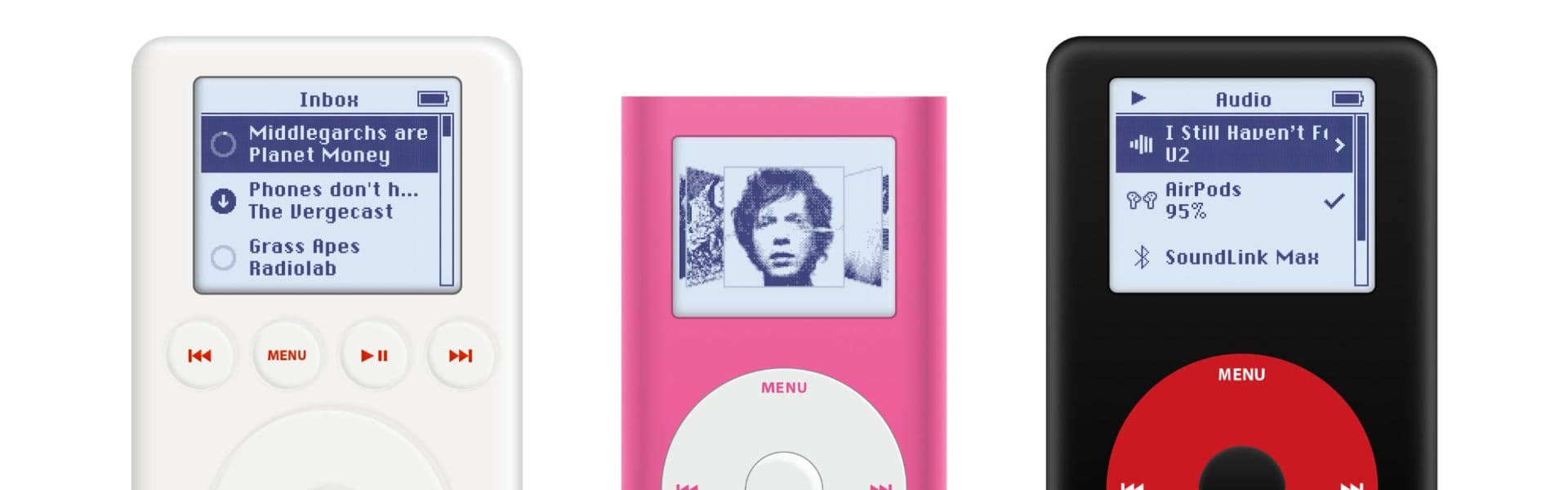
The software is new too. Sprout runs a click-wheel interface written from scratch to work like the original, Cover Flow, Podcasts and Search included. So it still looks and feels like your iPod. It just isn’t 2004 on the inside anymore.
How is it different from other iPod mods?
It swaps the part everyone else leaves alone. Most iPod mods replace the old hard drive with flash storage and fit a bigger battery, which fixes the parts that wear out but keeps the old board. You’re still on wired headphones, and you’re still syncing through iTunes. And the third-generation iPod, the maker points out, can only charge over FireWire.
Sprout fixes all of that in one go. You pair it with AirPods or any Bluetooth headphones and speakers, or plug wired ones into the original headphone jack. You drag and drop your music over USB-C, no iTunes involved, including lossless FLAC. And behind the jack sits a Cirrus Logic CS43131 DAC, the chip that turns your music files into the sound in your headphones. It’s the same chip New Matter picked for the Sudo music player I reserved.
What’s the difference between Sprout Pi and Sprout Pico?
Streaming. Both versions have the Bluetooth, the Wi-Fi, the DAC, USB-C and the microSD slot. On Sprout Pico, which runs on a Raspberry Pi RP2350 chip and turns on instantly, the Wi-Fi is for podcast downloads, AirPlay streaming and casting to Google Cast speakers, though the maker’s site marks AirPlay and casting as still in development.
Sprout Pi adds a Raspberry Pi Compute Module Zero, a tiny computer running Linux. That’s what lets it stream from Spotify and Apple Music, stream podcasts and run apps, and the studio says you can run whatever you like on it. The trade is that Sprout Pi only fits the full-size third- and fourth-generation iPods. The iPod mini gets Sprout Pico only.
Which iPods does Sprout work with?
Three, all from 2003 to 2005. There’s the third-generation iPod from April 2003, the one with four separate buttons above the wheel. There’s the fourth-generation iPod from July 2004, the first full-size iPod with the click wheel, in its black-and-white-screen version. And there’s the iPod mini, both the original from January 2004 and the second generation from February 2005. If you’re not sure which one is in your drawer, Apple’s iPod identification page still lists them all.
That leaves out a lot of iPods. No iPod classic, no iPod with video, no colour-screen or photo models, no nano, and no first or second generation. Video arrived with the fifth-generation iPod in October 2005, so none of the iPods that played video are covered, and Certain Things hasn’t said whether it plans boards for them. Its pitch is that these three models get far less attention from modders, so they tend to be cheaper to buy, which makes Sprout the affordable way in. That’s the maker’s argument, but it’s a fair one to keep in mind if you’re hunting for an iPod to put it in.
Can it really stream Spotify?
That’s the plan, on Sprout Pi, but it’s the shakiest promise on the page. Certain Things lists Spotify and Apple Music streaming and then adds a footnote: the streaming features are working proofs of concept as of September 2026, and “streaming services change their APIs often, so availability at launch may differ.” An API is the doorway an app uses to talk to a service like Spotify, and when the service changes the doorway, the app has to catch up.
So when you see a headline saying your old iPod could get Spotify, read it as two of three old iPods, with the Sprout Pi board, if streaming still works when it ships. The Bluetooth, the USB-C and the microSD slot are the parts I’d count on.
How much does Sprout cost, and when can you get it?
Nobody knows yet. The Crowd Supply page says the project is “launching soon,” and for now all you can do is sign up for updates. There’s no price, no release date and no campaign date.
Remember the iPod is on you, too. Sprout is a board, so you’ll need one of the three supported iPods first. The maker’s photos show a big 2,500 mAh battery cell inside the full-size iPod, and its 40-hour battery target is based on that cell, but the page doesn’t say yet whether a battery comes with the board.
Is Sprout open source?
Yes, or it will be. The schematics, board layouts and parts list are under an open hardware licence, the firmware and software under MPL-2.0, and the documentation, including the studio’s reverse-engineering notes on the iPod’s display, click wheel and headphone connectors, under Creative Commons. That means anyone can study it, fix it or build on it. The files aren’t public yet; Certain Things says they’ll be on GitHub before the campaign ends.
What happens next?
The campaign launch is the big one. That’s when we should find out the price, the date, what comes in the box, and whether streaming is still on the list. Until then, Sprout is a very good-looking promise for three very specific iPods.
Nerd Alert
Your Turn
What are YOUR thoughts
What have your experiences been? Let us know.