News · News · Retro Gaming
Dreamcart: A Sega Dreamcast That Plays Real N64, SNES and Genesis Cartridges
A homemade cartridge reader that plugs into a Dreamcast and plays your real N64, SNES and Genesis carts, saves and all. Free plans, no kit to buy.
https://averagetechnerds.com/dreamcart-dreamcast-n64-snes-genesis-cartridges/
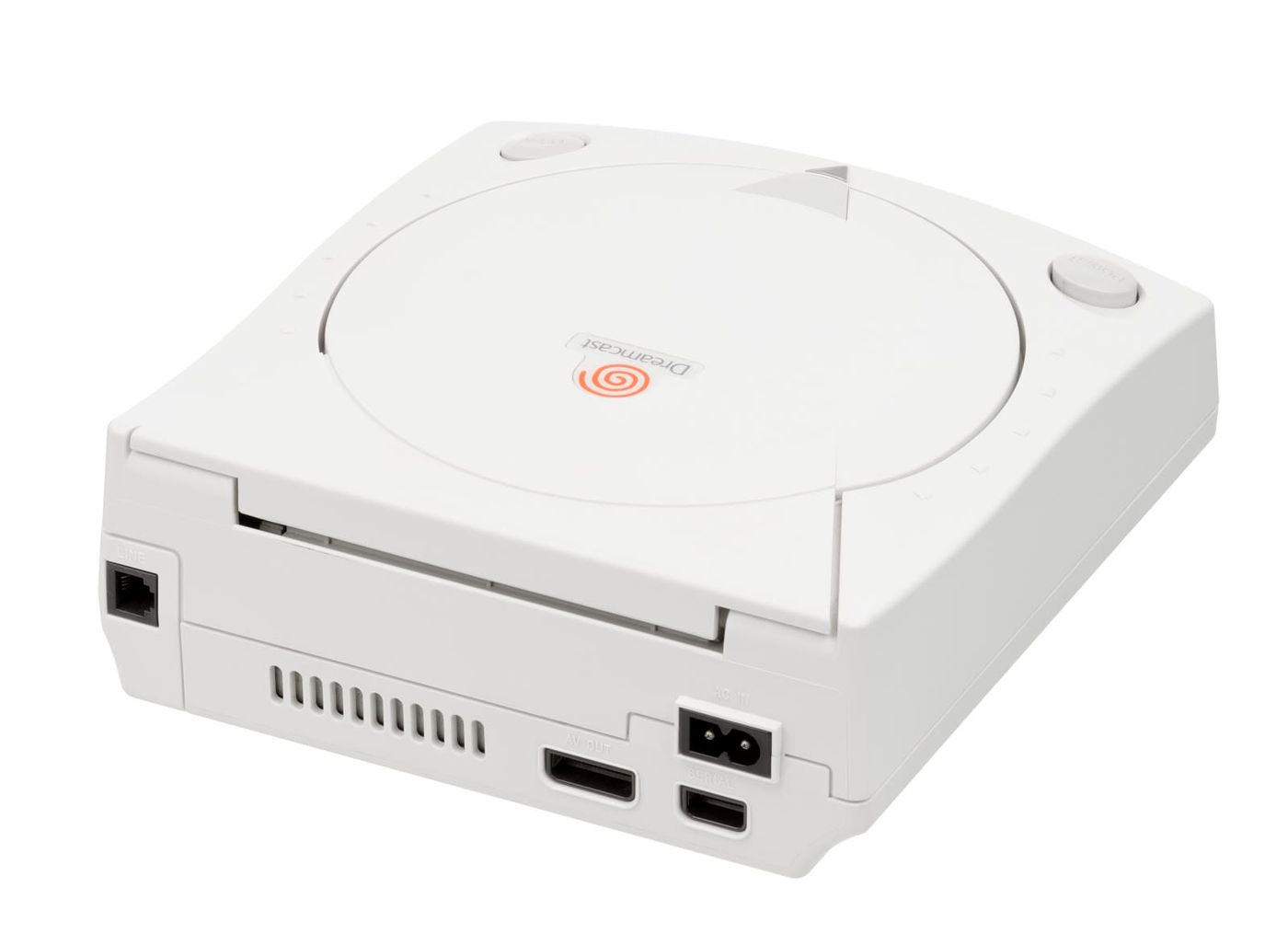
Picture a Dreamcast running Super Mario 64 from the actual grey cartridge. Sega’s console, Nintendo’s game. That’s the Dreamcart, a homemade cartridge reader for Sega’s last console, and it works with real N64, SNES and Genesis carts. No ROM files, no downloads. The cartridge you already own goes in, and the game comes up on the Dreamcast.
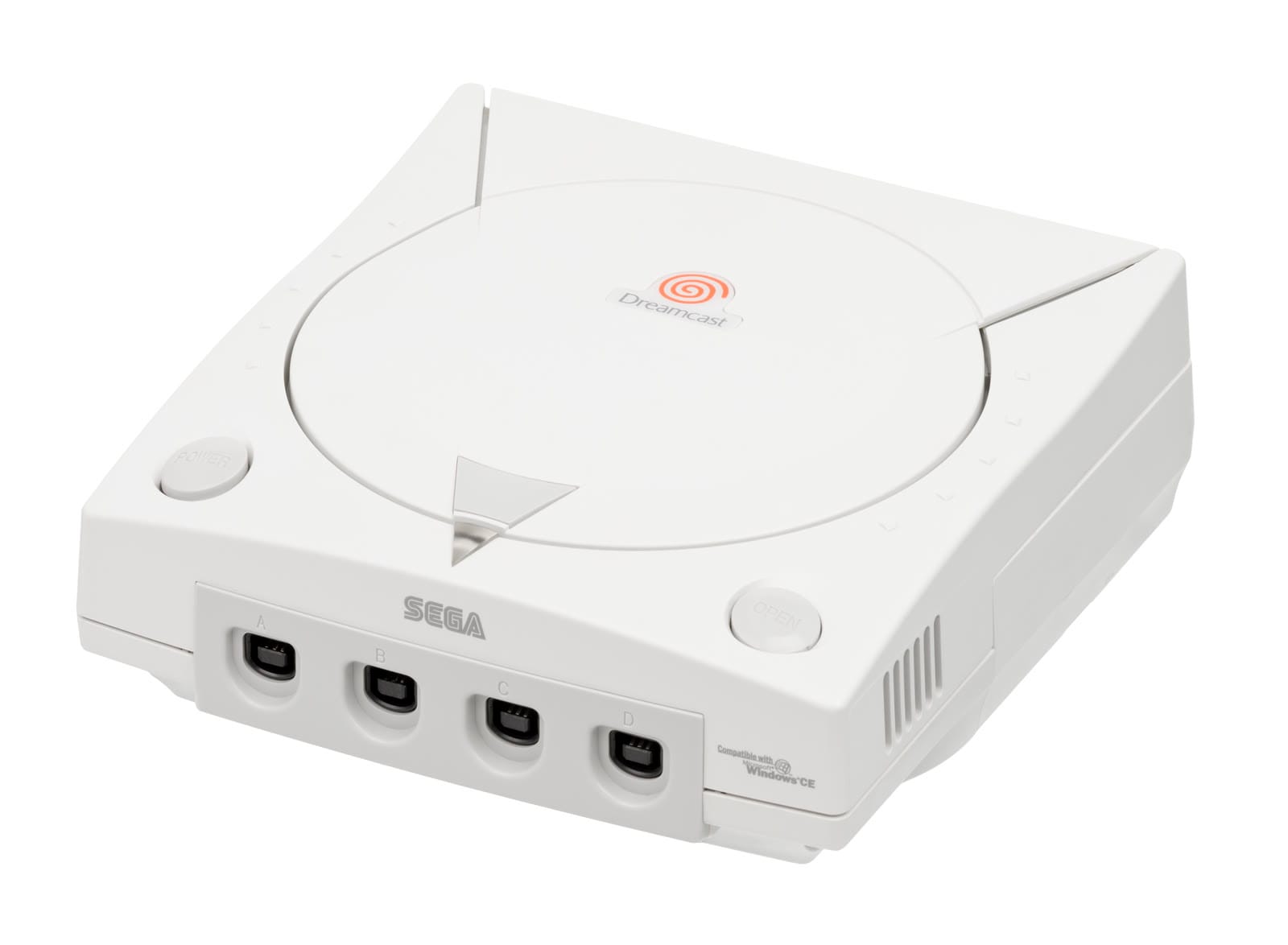
What is the Dreamcart?
It’s a set of three cartridge readers for the Dreamcast, one each for N64, SNES and Genesis (Mega Drive, if that’s what you grew up with). ThroatyMumbo put the whole thing on GitHub on November 14, 2026, under a GPL-3.0 open-source licence. That’s the circuit boards, the firmware and the Dreamcast software, all free to read, change and build.
The project’s own photo shows the N64 reader as a small white box with a cartridge slot on top and “Dreamcart 64” on the front. Put in a cart, start the Dreamcart 64 program on the Dreamcast, and it reads the game’s title off the cartridge and offers to play it.
How does a Dreamcast play an N64 game?
It doesn’t pretend to be an N64. Here’s the trick. When you start a game, the Dreamcast reads the code it needs from the cartridge and turns the N64 code into Dreamcast code it can run itself. That’s a recompiler. ThroatyMumbo wrote this one, modelled on N64Recomp, the open-source tool behind several unofficial PC ports of N64 games. Most of the translating happens behind a loading screen when the game boots, and anything new gets translated when the game first needs it.
SNES and Genesis games take the more familiar route. They run in modified versions of two existing Dreamcast emulators, Super Famicast and Genesis Plus DC. ThroatyMumbo says the patches for those aren’t cleaned up in the repository yet, and that the N64 side is the main focus.
Inside the reader is a small Raspberry Pi chip, the same family that runs the Pico 2 boards. There’s room for an optional SD card in the N64 reader too. It keeps games the Dreamcast has already translated, so that loading screen is shorter next time.
Which games work?
On N64, some games run and some don’t. Yet. Here’s ThroatyMumbo’s own list, from the games they own and tested:
| Game | Works? |
|---|---|
| Super Mario 64 | Yes |
| Mario Kart 64 | Yes |
| Kirby 64 | Yes |
| Rayman 2 | Yes |
| Cruis’n USA | Yes |
| Cruis’n World | Yes |
| Elmo’s Number Journey | Yes |
| Tony Hawk’s Pro Skater 2 | Yes |
| Pokémon Stadium 2 | Barely |
| Donkey Kong 64 | No |
For SNES and Genesis, it comes down to what those two emulators can already run. ThroatyMumbo tried Donkey Kong Country and Super Mario All-Stars on SNES and Mortal Kombat II on Genesis, and the only problems were with sound.
Does it keep your saves?
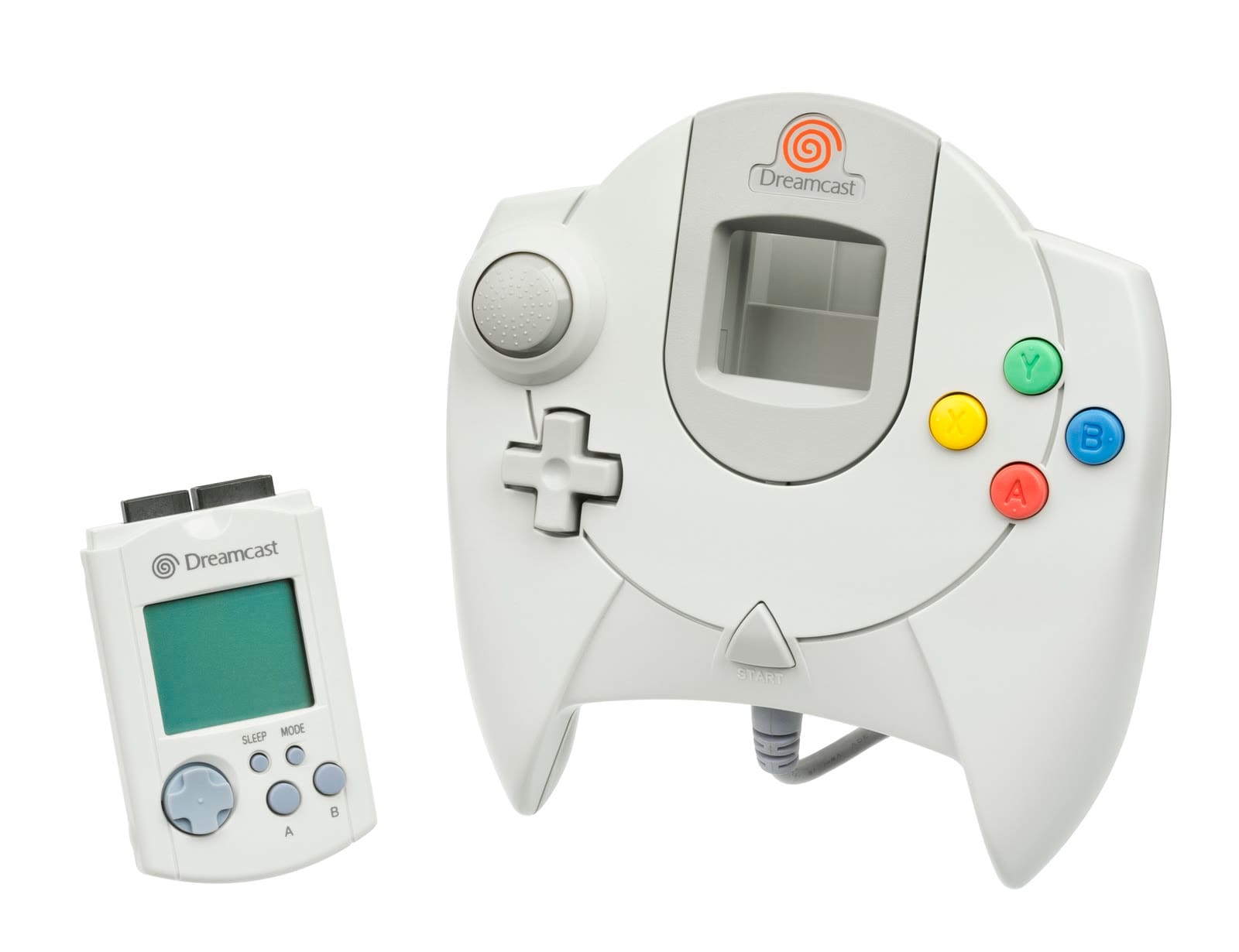
Yes. That’s the whole point of real carts. Your saves stay with the game, so you can pick up where you left off on whatever plays that cartridge next. The Dreamcast’s VMU stands in for the N64’s Controller Pak, the little memory card that plugged into an N64 controller. That takes 66 blocks of the VMU’s 200, and if your VMU is too full, you get a warning before the game starts.
Moving saves to and from a real Controller Pak isn’t supported. ThroatyMumbo calls it possible, but “very clunky”.
What do you need to build one?
More than a soldering iron. Here’s the list from the project page:
- **A Dreamcast**, of course.
- **One of the cart readers.** The circuit board designs are in the project, ready to order from a board maker. For N64, any board with an RP2350B chip, wired straight to a cartridge slot, also works, though ThroatyMumbo calls that “not ideal”.
- **A debug probe**, such as the Raspberry Pi Debug Probe, to load the firmware onto the reader.
- **A dcload-ip disc**, burned yourself. It lets the Dreamcast receive programs from a computer.
- **A way to send them.** ThroatyMumbo uses the Dreamcast’s Broadband Adapter, its official network add-on, and a tool called dc-tool-ip.
- **The software side:** the Raspberry Pi Pico SDK to build the firmware, OpenOCD to load it, and KallistiOS, the open-source Dreamcast development kit.
Burning the Dreamcast software straight to a disc should work too. ThroatyMumbo hasn’t tested that yet.
Can you buy one?
No. There’s no kit, no finished unit and no store page. Just the files. If someone starts selling built Dreamcarts later, that will be a new story.
Is it safe for your cartridges?
Carefully. Try your build on a cartridge you don’t mind losing first, and back up your saves before you put in one you care about. The project asks you to use it at your own risk, and its maker hasn’t lost a save in testing, “yet”. If all you want is a backup of your carts, a dedicated reader like the Open Source Cartridge Reader, the Retrode 2 or Epilogue’s SN Operator is the simpler tool.
Why use cartridges at all?
ROM files are legally murky, for one. And a real cartridge keeps the game and its save together in one place, with no juggling files between devices. ThroatyMumbo adds one more reason, and it might be the real one: “using actual cartridges is cooler.”
It also lands at a good moment for the Dreamcast. N64 games have been getting unofficial Dreamcast ports for a while now, and this one lets you bring your own cartridges along. If you want the story of the console itself, from its 128-bit launch to Phantasy Star Online, it’s on our Sega Dreamcast page.
Nerd Alert
Your Turn
What are YOUR thoughts
What have your experiences been? Let us know.