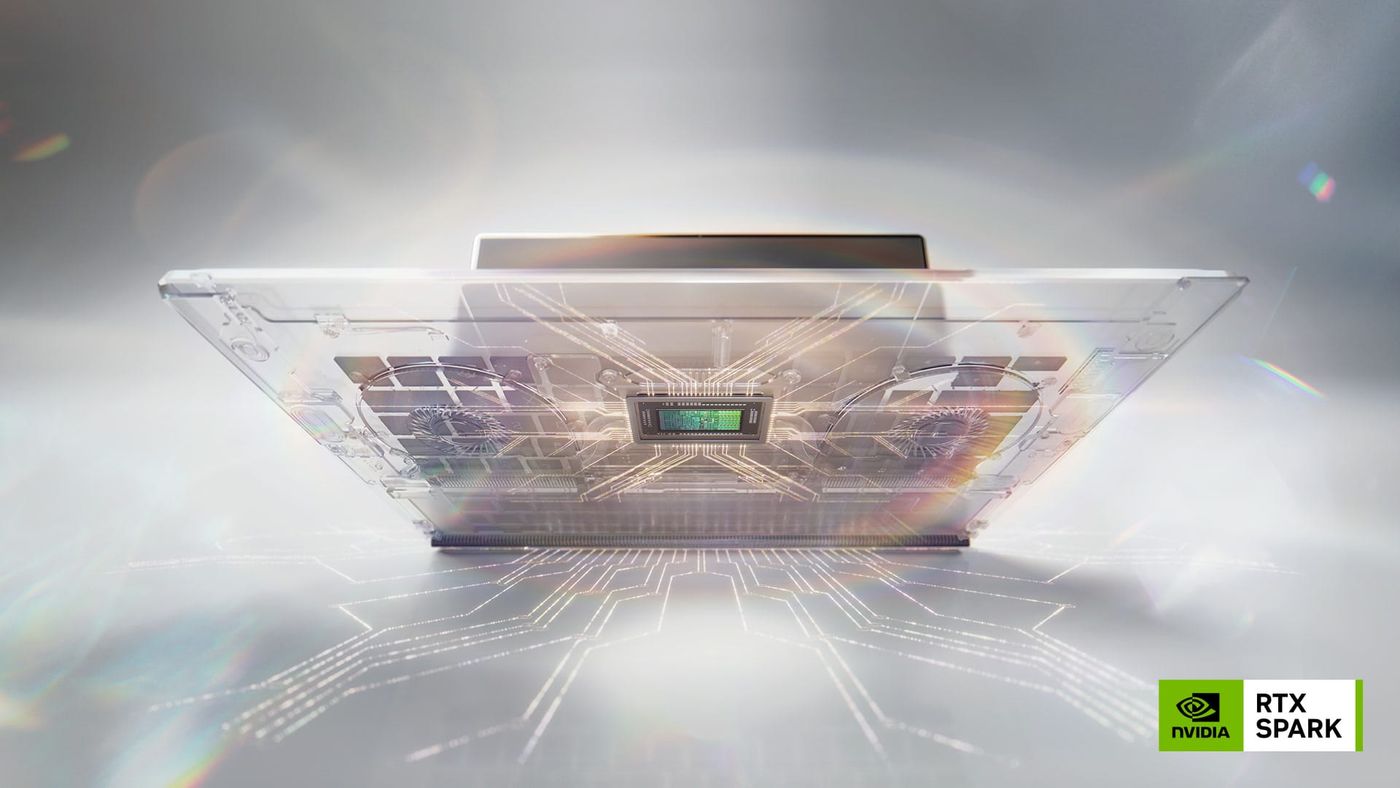
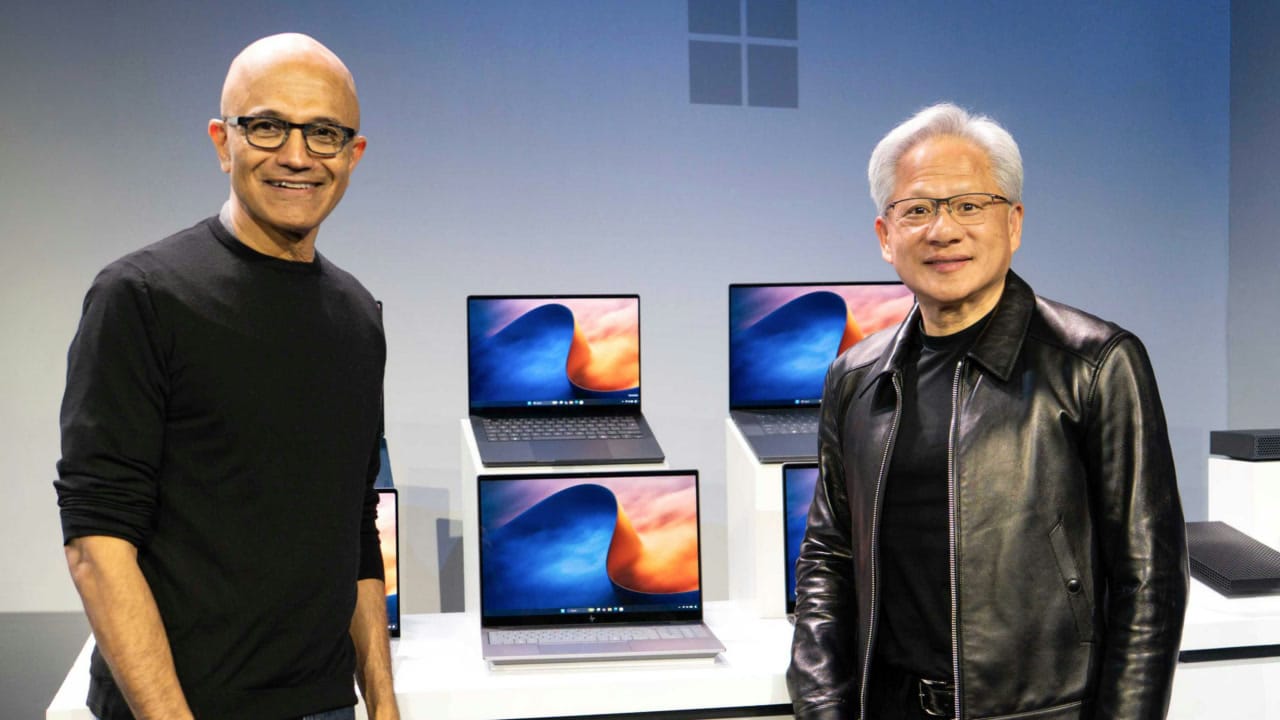
Nvidia is now in the PC chip business. At Microsoft’s Windows and Surface event on October 7, the company launched RTX Spark, a Windows on Arm platform built around its N1X chip, which pairs an Arm CPU with a Blackwell RTX graphics processor and a large pool of shared memory. Laptops from Microsoft, ASUS, Dell, HP, Lenovo and MSI are on preorder now, with the first shipping on October 16, including the $2,599.99 Surface Laptop Ultra.
What Nvidia announced
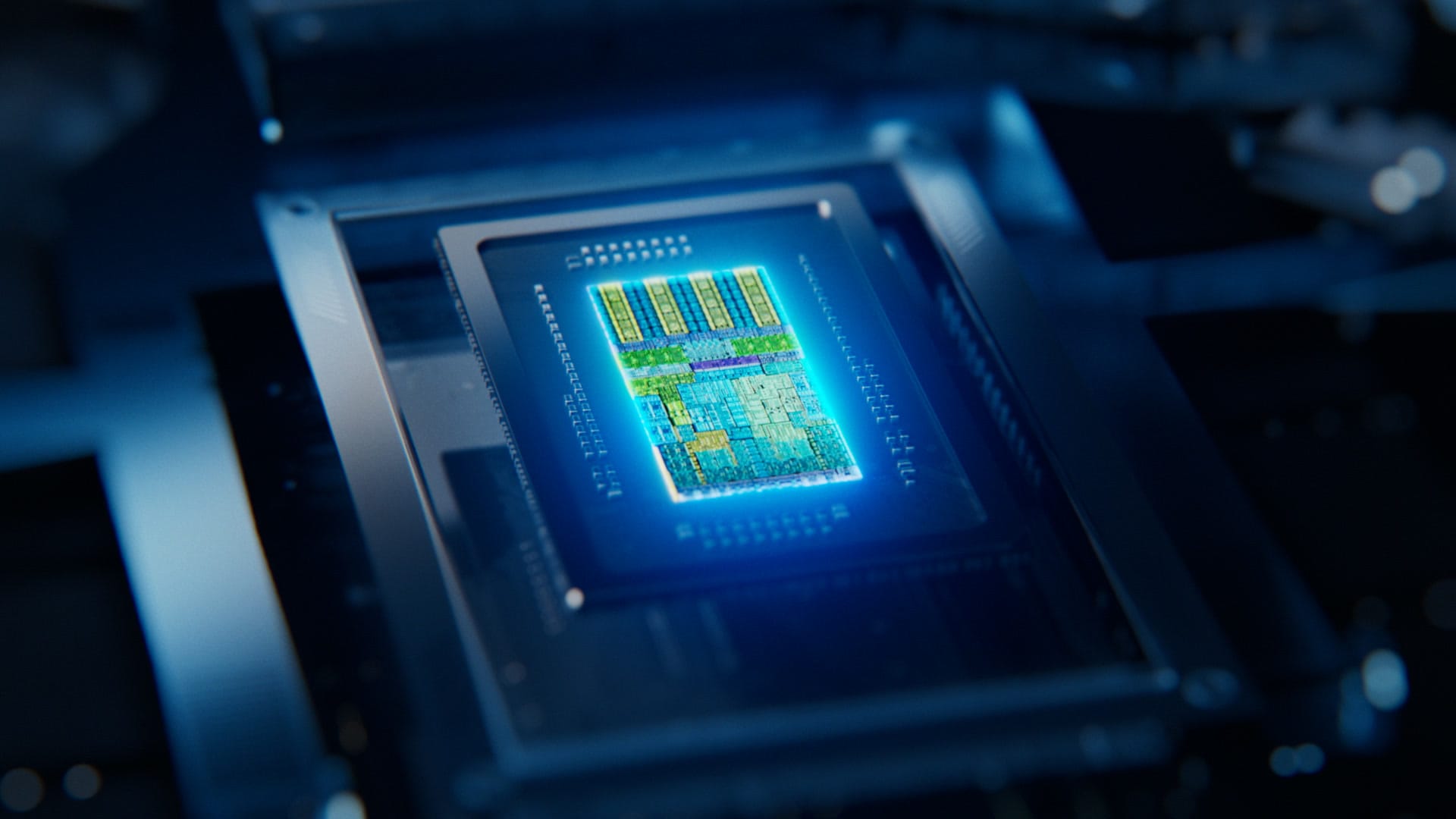
RTX Spark comes in two versions of the N1X chip, according to Nvidia’s product page. The top version has a 20-core Grace CPU, a 6,144-core Blackwell GPU and up to 128 GB of unified memory, shared between the processor and graphics. The second has an 18-core CPU, a 5,120-core GPU and up to 64 GB. Laptops run at 45 to 80 watts and compact desktops at 140 watts.
Unified memory is what makes RTX Spark interesting for local AI. Large AI models have to fit in memory the graphics processor can use, and a shared pool of up to 128 GB is far more than the dedicated memory on most laptop graphics cards. Nvidia says RTX Spark systems can run AI agents with models of up to 120 billion parameters, according to its launch blog. It is the same idea behind Nvidia’s DGX Spark desktop for AI developers, brought to consumer Windows PCs.
The first machines and prices
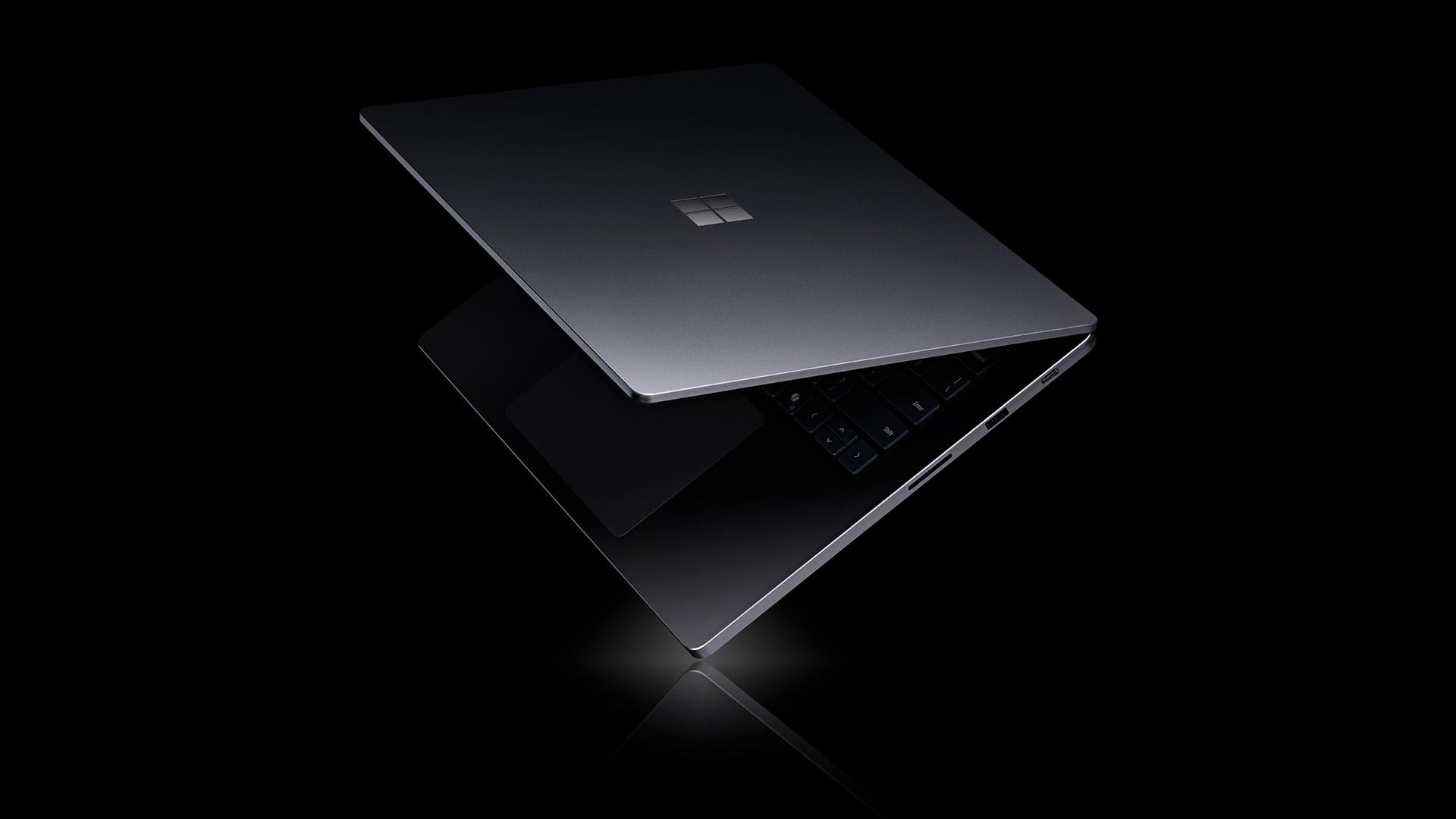
Microsoft’s Surface Laptop Ultra starts at $2,599.99 with the 18-core chip, 24 GB of memory and 512 GB of storage, and ships on October 16, according to the Microsoft Store. The 20-core version starts at $3,699.99, and the top model with 128 GB and 1 TB costs $5,899.99 and ships from October 26. Microsoft rates its battery at up to 15 hours of video, measured on a preproduction unit, as its announcement and product page note.
ASUS’s ProArt P14 and P16 start at $2,599.99 and $2,799.99, and a 128 GB ProArt P14 reaches $6,499.99. Dell, HP, Lenovo and MSI models are listed at retailers from roughly $2,900 to $3,800, as Windows Central has collected. Microsoft’s Surface RTX Spark Dev Box, a compact desktop for developers with 128 GB, costs $5,999.99 and ships in November, with desktops from other makers arriving the same month.
Gaming on Windows on Arm
Most Windows games are built for Intel and AMD processors, so on RTX Spark they run through Prism, the translation layer built into Windows on Arm. The bigger change is anti-cheat. Nvidia says it is working with Easy Anti-Cheat, BattlEye and Denuvo so that their software runs natively, which lets competitive games start at all, according to Tom’s Hardware. Riot and KRAFTON have said League of Legends, Valorant and PUBG are coming.
Microsoft also announced that Call of Duty will support RTX Spark in 2027, as Windows Central reported, and said hundreds of games will be available on day one without giving a full list. Which titles actually run well on October 16 is one of the first things reviewers will need to show.
What we do not know yet
Every performance figure so far comes from Nvidia. On stage, it claimed RTX Spark laptops are up to 2.1 times faster to start answering an AI prompt, 4.3 times faster at AI image generation and 6.2 times faster at AI video generation than a MacBook Pro with M5 Pro. Notebookcheck describes these as preliminary company testing, and no method was published. Early hands-on sessions did not allow benchmarks.
The only independent numbers come from a leaked preproduction Surface Laptop Ultra tested by a forum user, which Tom’s Hardware covered with clear caveats about unfinished drivers. Retail reviews should follow the October 16 launch. Battery life under gaming or AI loads, and how the 24 GB base models handle local AI, are the questions to watch.
How it compares with AMD’s Strix Halo
The closest rival is AMD’s Ryzen AI Max+ family, which already offers large unified memory in Windows laptops, mini PCs and even handhelds. I have covered two Ryzen AI Max+ PRO 495 machines with 192 GB, the Minisforum system and the Framework Desktop, and my OneXPlayer X2 Mini Pro runs on Strix Halo. Those chips are x86, so every Windows game and app runs without translation.
RTX Spark’s advantages are Nvidia’s graphics features, such as DLSS and its CUDA software tools for AI, which many AI applications are built around. Its disadvantage is the Arm translation layer for anything not yet built for Arm, the same question behind Valve’s Arm work on the Steam Frame. Whether Nvidia’s strengths outweigh that will depend on the reviews.
What to watch
RTX Spark brings something to Windows on Arm that Qualcomm’s chips never had: Nvidia’s graphics and software. The first reviews will show whether the games run well through translation, whether the battery claims hold up under load, and whether the 24 GB starting models make sense for local AI. Until then, Strix Halo is the shipping, x86 option for anyone who wants big shared memory on Windows today.