News · News · PC Hardware · Local AI
AMD Zen 6 EPYC Venice: What 1.6 TB/s of Memory Means for Local AI
AMD’s first Zen 6 chips are server chips. For anyone running AI models at home, the number that matters is memory, and Venice moves about 1.6 TB/s.
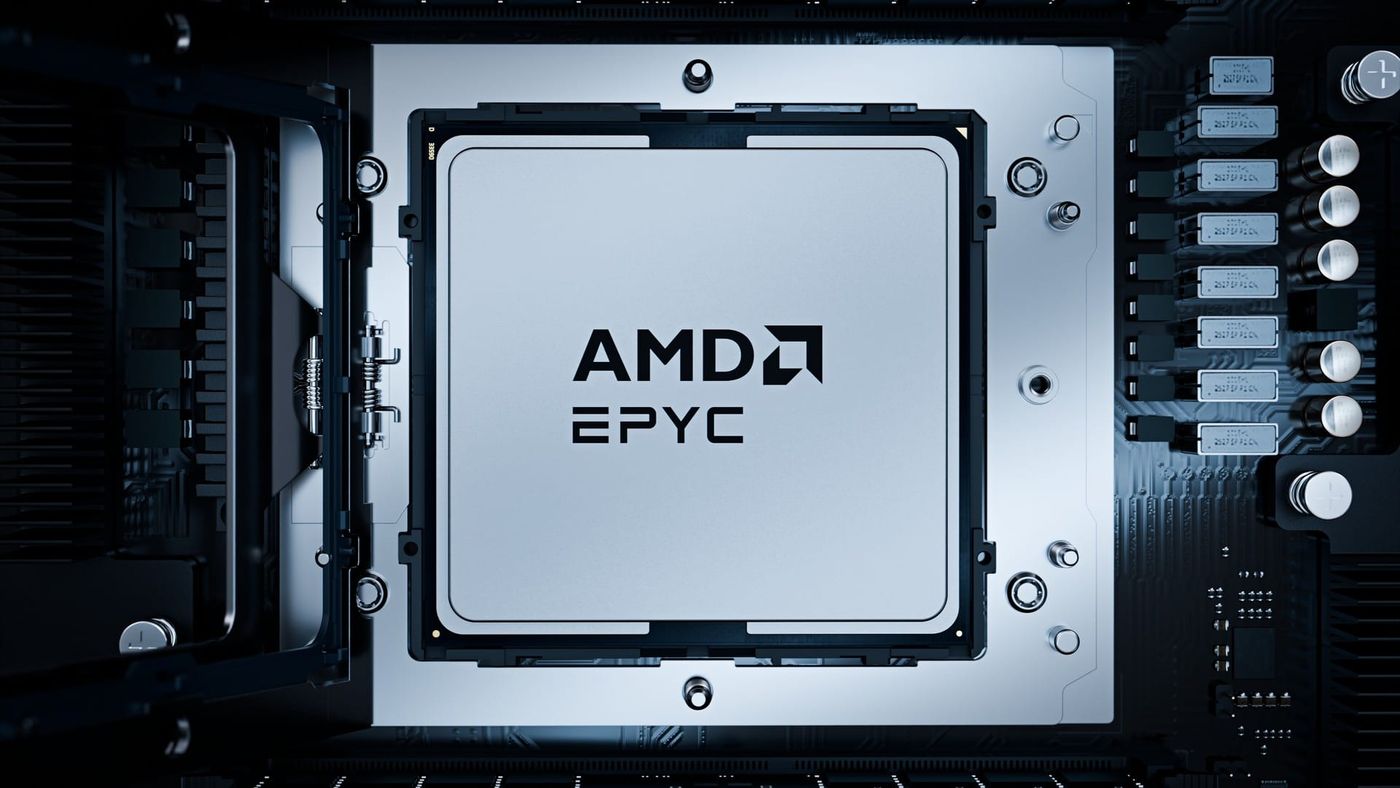
AMD’s first Zen 6 chips are out, and they’re server chips. EPYC Venice went on general availability on November 10 with up to 256 cores, and the headlines went straight to a 27% jump in performance per clock. If you run AI models at home, that’s the least interesting number on the spec sheet. The one that matters is memory. One Venice socket can move about 1.6 terabytes a second, which is six times what a Ryzen AI Max+ PRO 495 box manages.
What did AMD launch?
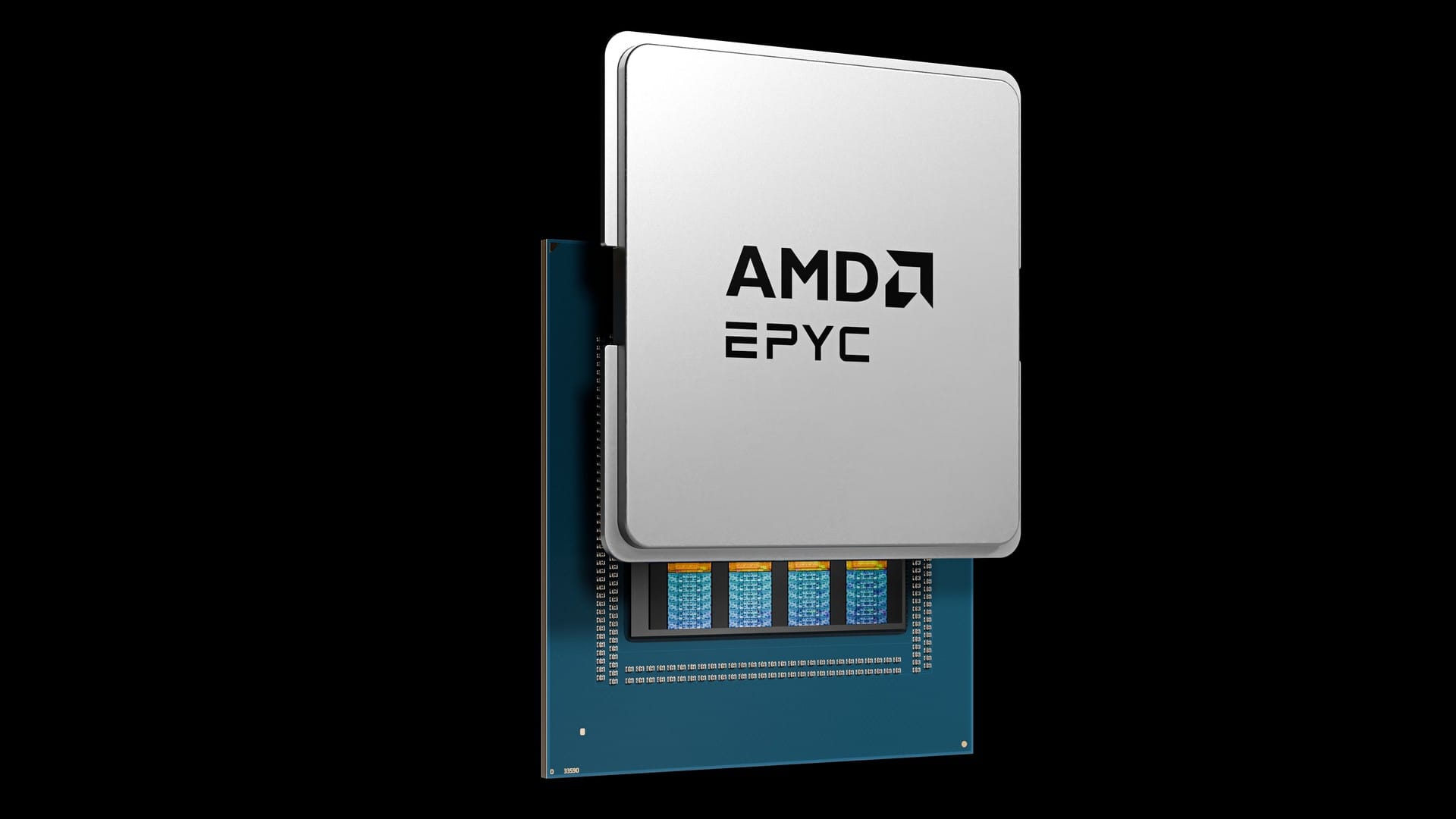
Its 6th Gen EPYC chips. They’re the first anything with Zen 6 inside. There are two kinds of core. Zen 6 is the classic one, built for clock speed, and goes up to 96 cores at 5.3 GHz. Zen 6c packs the cores tighter, and that’s how a single chip gets to 256 of them.
The chips available now fit the big SP7 socket. A smaller SP8 version with half the memory channels follows in the first half of 2027. Either way, you’ll find these in rack servers and cloud machines, and Microsoft’s Azure already has a preview running on them.
Is Zen 6 really 27% faster than Zen 5?
In server and AI work, at the same clock, roughly. AMD’s launch deck shows a 20% gain in enterprise and cloud jobs and 31% in AI jobs. The 27% headline comes from outlets reporting on that deck, and you won’t find it on AMD’s own launch pages.
The test matters too. AMD compared 16 of its dense Zen 6c cores against 16 classic Zen 5 cores, with the new cores on one chiplet and the old ones split across two. Keeping everything on one chiplet helps any job where cores talk to each other. And the AI half leans on new instructions for small number formats, which games don’t use. So don’t read it as your next Ryzen being 27% faster in games. AMD hasn’t said anything about that chip.
Why does memory bandwidth matter for running AI on a CPU?
Because a language model reads almost all of its weights for every token it writes, and a token is roughly a word. When you ask a model running on a CPU something, how fast it answers comes down to how fast memory can feed those weights. AMD says the same thing in its own memory guide, and it recommends the fastest MRDIMM-12800 modules for running models on the CPU.
Here’s how one Venice socket compares with the local AI hardware you might already be looking at. These are theoretical peaks, worked out from the channels and memory speed.
| Hardware | Memory bandwidth | Most memory |
|---|---|---|
| EPYC Venice SP7, MRDIMM-12800 | about 1,638 GB/s | up to 4 TB |
| EPYC Venice SP7, DDR5-8000 | about 1,024 GB/s | up to 4 TB |
| EPYC Turin (last generation) | about 614 GB/s | not compared |
| Threadripper PRO 9000 WX | about 410 GB/s | up to 2 TB |
| Ryzen AI Max+ PRO 495 | about 273 GB/s | 192 GB |
Say you want to run a 70-billion-parameter model squeezed to 4 bits, about 40 GB of weights. By my own rough math, one Venice socket could push it at around 40 tokens a second, where a 495 box tops out near 7. That’s the gap you’d feel. Real speeds land below those ceilings, and AMD hasn’t published a CPU-only test with tools like llama.cpp.
The catch, if you’re dreaming already, is filling it. The full 1.6 TB/s needs all 16 slots populated, and AMD’s own cost example prices a 64 GB server stick at about $2,800. Sixteen of those come to over $45,000. That’s before the chip.
What about AMD’s 1.8x AI claim?
That one is about a different setup. Picture a GPU running a model with part of it parked in the server’s RAM, which is how you’d squeeze in a model that’s too big for the card. On the last generation, the slow part turned out to be the link between the GPU and the CPU, while the memory sat mostly idle. Venice doubles that link with PCIe 6.0, so AMD expects up to 1.8 times the output. That figure is a projection, though. It hasn’t been measured on Venice.
Is Zen 6 coming to Threadripper or Ryzen?
Not officially. AMD’s Venice material doesn’t mention either, and its newest local AI workstation still runs a Zen 5 Threadripper. A Zen 6 Threadripper on a new socket has been reported from AMD documentation, and the outlet behind that report doesn’t expect it before 2027. If that’s real, it’s the one to watch if you want a home AI box. Today, Threadripper PRO on boards like Gigabyte’s WRX90 AI TOP is as close as a desk gets, and a Ryzen AI Max+ PRO 495 is the small, quiet option.
Nerd Alert
Your Turn
What are YOUR thoughts
What have your experiences been? Let us know.