News · News · Everyday Tech
The Motorola Signature 27 Is Built for GrapheneOS, but It Doesn’t Ship With It
Motorola’s $1,599 flagship is its first phone built to support GrapheneOS. It ships with Motorola’s Android, and GrapheneOS says its version comes in 2027.
https://averagetechnerds.com/motorola-signature-27-grapheneos/
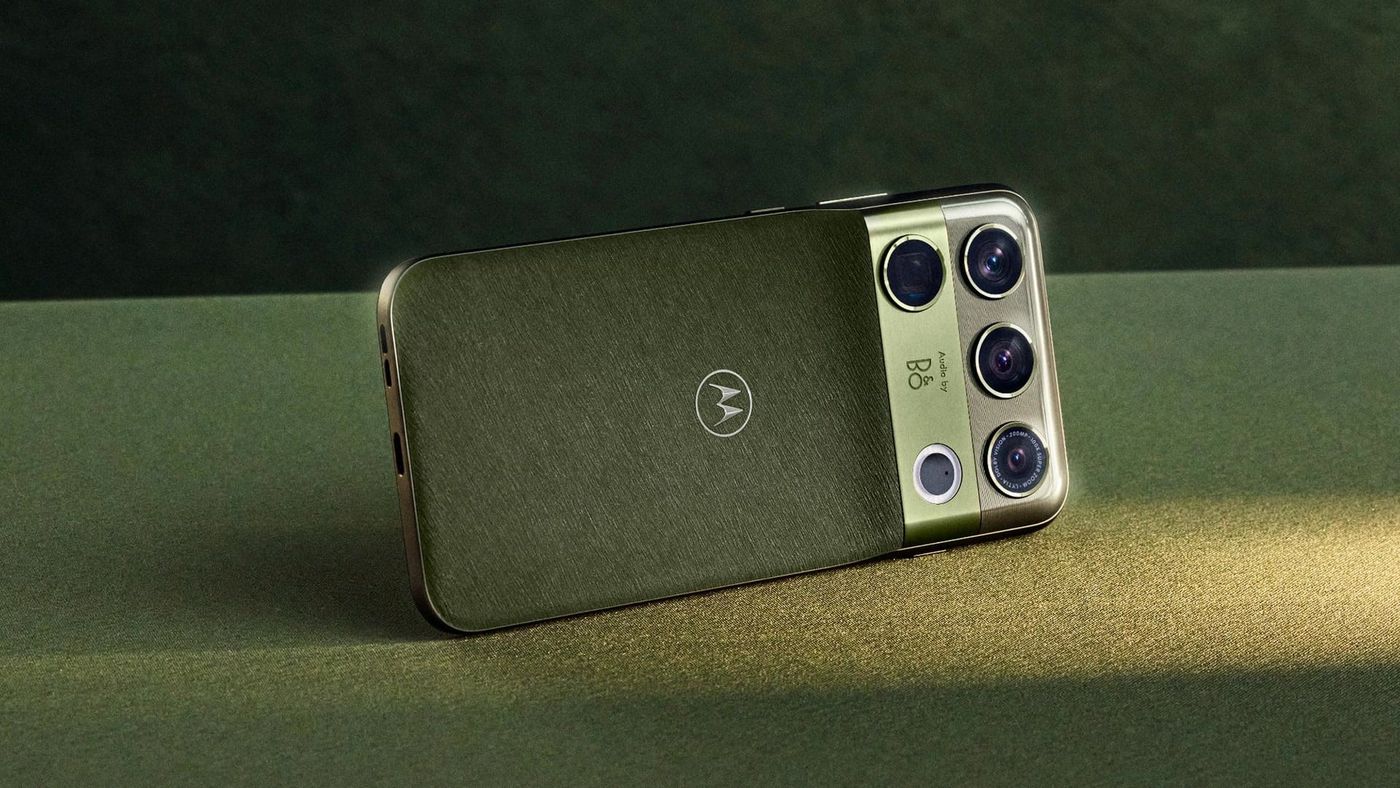
I’ve been into custom ROMs since the CyanogenMod days, and these days that means LineageOS and GrapheneOS. I’ve owned Pixels for the sole purpose of running GrapheneOS as my daily phone. Right now I carry an iPhone and a OnePlus 13, which runs its stock software but is rooted. So a phone built from the start to work with GrapheneOS gets my attention. Android and iOS keep adding more AI and collecting more about the people using them. Both companies publish plenty about how they protect your data, but I don’t take that corporate language at face value. For anyone who takes privacy seriously, that makes a phone like this a big deal.
Motorola put the Signature 27 up for pre-order on November 5 as its first phone to support GrapheneOS. Here’s what that means today, when GrapheneOS actually arrives on it, and what you get for $1,599 in the meantime.
Does the Motorola Signature 27 come with GrapheneOS?
No. Motorola’s launch announcement calls it “Motorola’s first device to support GrapheneOS”, and the phone ships with Motorola’s own software. There’s no GrapheneOS build for it yet: GrapheneOS’s own list of supported phones is still all Pixels, and on November 1 the project said it had prototypes for development but hadn’t received production phones. Motorola’s US product page doesn’t mention GrapheneOS at all.
When can you put GrapheneOS on it?
In 2027, by GrapheneOS’s account. In September, the project wrote that “the initial Motorola device with GrapheneOS support in 2027 will be a flagship much higher end than a Pixel 11 Pro,” and by October it was referring to the Signature 27 by name. Motorola hasn’t given any timing for GrapheneOS.
The partnership itself goes back to March, when Motorola and GrapheneOS announced it at MWC. GrapheneOS said then that the phone “will fully support using other operating systems including users making their own builds of GrapheneOS.”
Why does this phone qualify when other Motorolas don’t?
Because GrapheneOS’s requirements are strict, and this is the first Motorola built to meet them. GrapheneOS publishes a list for any phone it will support, including at least five years of updates, complete monthly security patches, hardware memory tagging, and full security features when you run a different OS. Motorola’s release says the Signature 27 “is built to meet them,” and that it’s Motorola’s first phone with a fast implementation of ARM’s Memory Tagging Extension. Memory tagging is a hardware feature that catches a whole class of memory bugs attackers rely on.
GrapheneOS adds a few details of its own. It says the phone has a dedicated secure element and that Motorola will send it firmware and driver updates at least monthly, and it expects unlocking the bootloader on its partner phones to be easier than on today’s Motorolas, without voiding the warranty. In August, GrapheneOS said this year’s Signature, Razr Fold and Razr Ultra came very close but lack memory tagging and proper secure element support, which is why the 27 is the first.
Can you buy one with GrapheneOS already installed?
Not at launch, and maybe not in the US. GrapheneOS has said there’s “a high chance of devices being sold with it preinstalled in 2027 but probably not for the initial launch,” most likely through another company rather than Motorola’s own website. In March, it named the European Union and South Korea as the likely first places for preinstalled phones, and said it may not be possible to sell them that way in the US or Canada yet, citing Google’s restrictions.
So the realistic path, at least at first, is the one GrapheneOS recommends anyway: buy a supported phone and install GrapheneOS yourself.
What AI comes on it out of the box?
A lot, on Motorola’s software. Motorola lists Google’s Gemini features, including task automation across apps and video and music generation in the Gemini app, plus its own Qira assistant, which needs a Motorola or Lenovo account. Motorola’s launch materials for the Signature 27 don’t say what its software collects, though its general privacy policy covers data from its products and software, including for training AI models.
GrapheneOS goes the other way. It ships without Google services, and its site says it “will never include either Google Play services or another implementation of Google services like microG.” You can still install the Play Store as a sandboxed app with no special access, if you need it. Qira and the Gemini features built into Motorola’s software most likely won’t carry over.
How much is it, and when does it ship?
$1,599 in the US, for the only US configuration, 12 GB of memory and 512 GB of storage, according to 9to5Google. Pre-orders opened on November 5 at Motorola.com, Best Buy and Amazon, and it ships on November 19. It’s sold unlocked with no carrier deals announced, and 9to5Google reports it isn’t coming to Canada for now. Pre-orders on Motorola.com come with a free moto watch ultra, according to the same report.
What are the specs?
It’s a no-compromise flagship on paper. Inside is Qualcomm’s Snapdragon 8 Elite Extreme Gen 6, with a 6.8-inch tandem OLED screen rated for up to 12,000 nits at its peak. The battery is 7,000 mAh, with 90 W wired charging and 50 W wireless on Motorola’s own chargers. On the back are a 50 MP main camera, a 50 MP ultrawide and a 200 MP periscope zoom at 3x, plus a separate sensor Motorola uses for action shots. It’s rated IP68 and IP69, and Motorola promises seven Android version updates and up to seven years of security updates from its global launch.
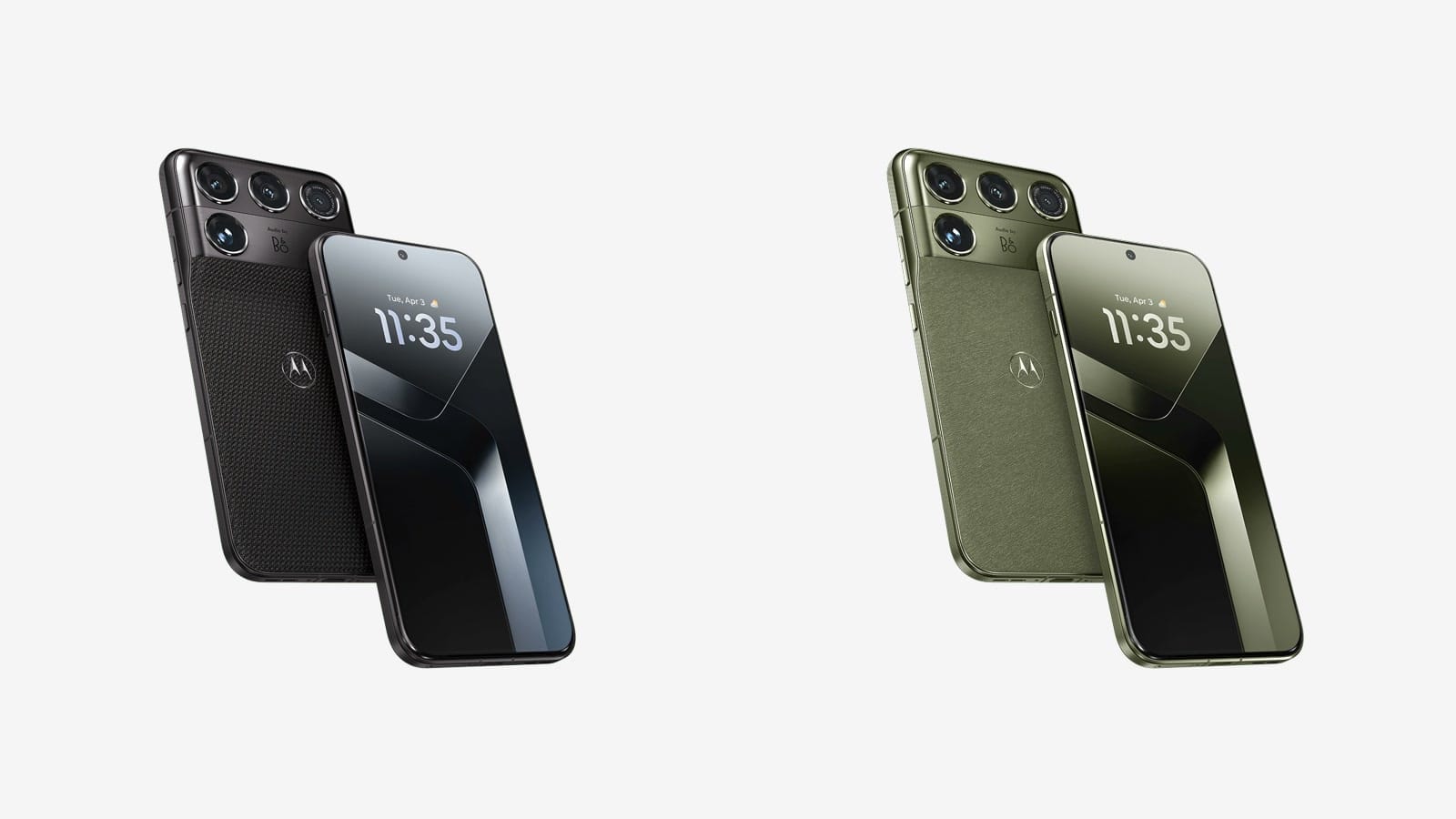
Motorola Signature 27 vs Pixel 10: which should you buy for GrapheneOS?
Today, the Pixel 10. It’s supported by GrapheneOS right now, and Google sells it for $799, currently on sale from $599. The newer Pixel 11 isn’t supported yet. The Signature 27 is the bigger, faster, much more expensive phone, and on paper the stronger GrapheneOS device once support arrives in 2027. GrapheneOS itself says the Signature 27 “will be drastically faster than Pixels.”
| Motorola Signature 27 | Google Pixel 10 | |
|---|---|---|
| Price | $1,599 | $799 ($599 on sale) |
| GrapheneOS today | No, coming in 2027 | Yes |
| Ships with | Motorola’s Android, Gemini, Qira | Google’s Android |
Who is it for?
Anyone who wants a top-end Android phone now and is happy to wait for GrapheneOS, or who likes the idea of a phone maker working with a privacy-focused OS instead of fighting it. If GrapheneOS on day one is the whole point, a Pixel 10 does that today for far less. And if you don’t plan to switch, this is a $1,599 Motorola with a lot of AI baked in.
Nerd Alert
Your Turn
What are YOUR thoughts
What have your experiences been? Let us know.