News / News · News · Retro Gaming · Retro consoles
Analogue’s Super Nt+ and Mega Sg+ Are $219.99 Each, With Pre-Orders Opening October 19
Analogue’s refreshed SNES and Genesis FPGA consoles add Bluetooth, USB-C and hot-swapping. Here’s the price, the dates, the versions and what still works.
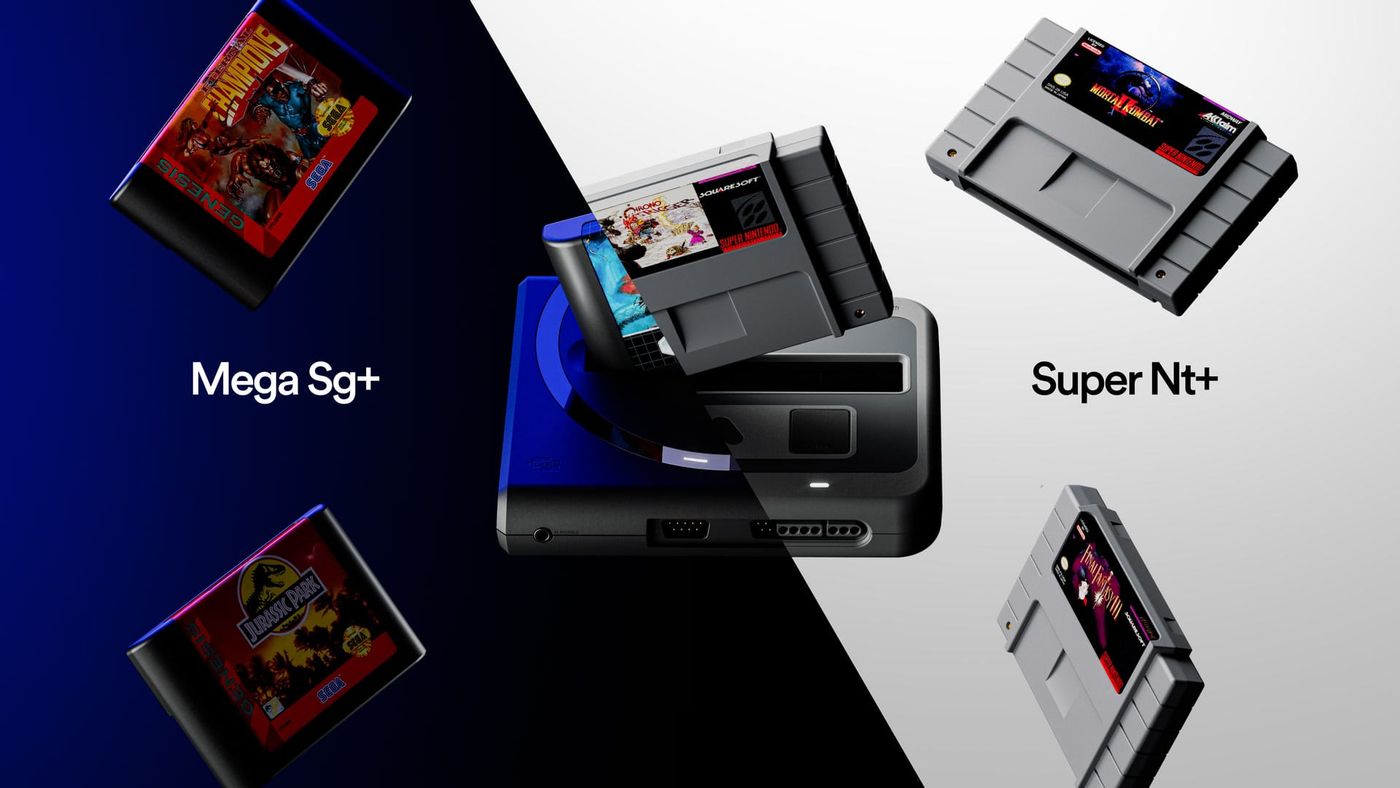
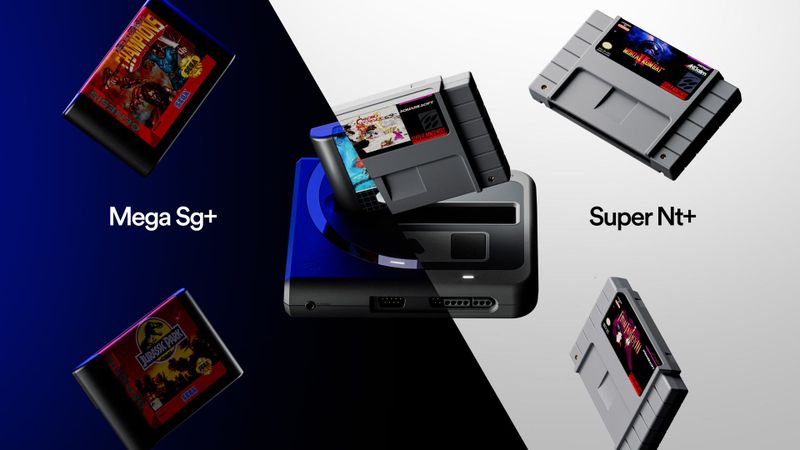
Analogue’s Super Nt+ and Mega Sg+ went up on its store on October 16 at $219.99 each, and pre-orders opened on Monday, October 19, at 8 AM Pacific. Analogue says both consoles ship in December 2026. The Super Nt+ plays Super Nintendo and Super Famicom cartridges, and the Mega Sg+ plays Sega Genesis, Mega Drive and Master System cartridges, both through an FPGA, a chip configured to recreate the original console’s hardware.
UPDATE What’s new since publishing
Pre-orders opened at 8 AM Pacific, and by early afternoon Eastern, Analogue’s store showed four of the six versions out of stock: the Super Nt+ Classic and SF, and the Mega Sg+ USA and EU. The Super Nt+ Black and the Mega Sg+ JP were still open for pre-order at $219.99, shipping in December 2026.
What are the Super Nt+ and Mega Sg+?
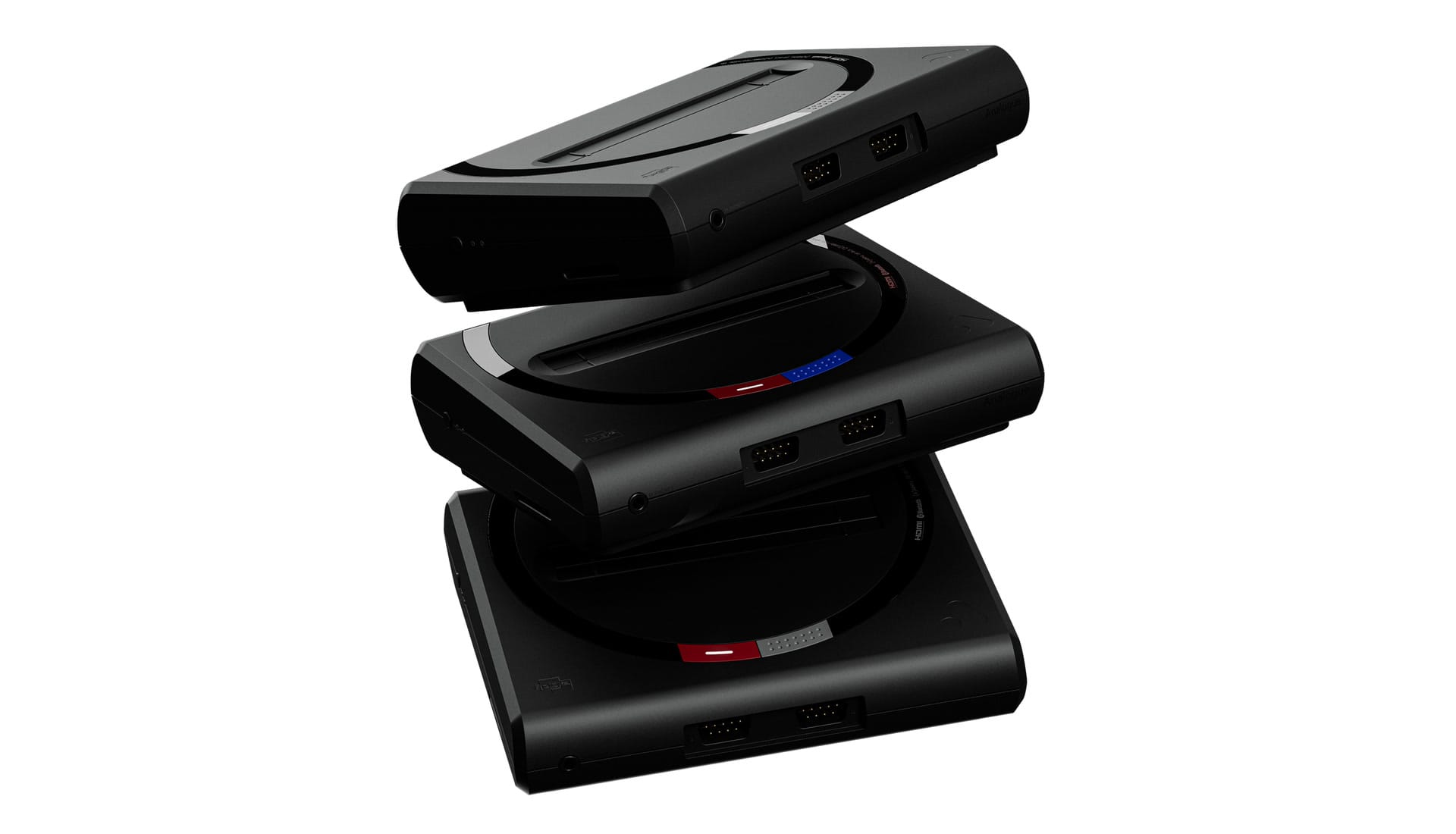
They’re FPGA consoles, the successors to Analogue’s original Super Nt and Mega Sg. FPGA stands for field-programmable gate array. Analogue says both use an Altera Cyclone V, the same FPGA family as its original Super Nt and Mega Sg. Each one has an original-style cartridge slot, the opening the game cartridge plugs into, plus original-style controller ports.
Both send the picture to your TV over HDMI at up to 1080p. The SNES and Genesis drew games at about 240 lines, so the picture has to be scaled, meaning enlarged to fit a modern screen, and Analogue does that inside the console. Analogue calls both consoles “zero lag”. It also lists options for aspect ratio, scanlines that imitate a CRT and smoothing filters.
How much do the Super Nt+ and Mega Sg+ cost?
Each costs $219.99 on Analogue’s store, in every version: the Super Nt+ Classic, SF and Black, and the Mega Sg+ USA, EU and JP. The price is $20.99 more than the last run of the originals, which Analogue put up for pre-order at $199 in October 2022 and called the final run. The store limits each order to two.
When can you pre-order them, and when do they ship?
Pre-orders opened on Monday, October 19, at 8 AM Pacific, which is 11 AM Eastern. By early afternoon, four of the six versions were out of stock. Analogue’s pages say both consoles ship in December 2026, without a specific day.
What changed from the original Super Nt and Mega Sg?
Both consoles now have Bluetooth and 2.4GHz wireless built in, with a dedicated pairing button, so you no longer need a separate receiver plugged into a controller port. Analogue says they connect “virtually any 8BitDo controller”, 8BitDo arcade sticks and modern gamepads, up to two at a time. Plugging in a wired controller takes over from a wireless one.
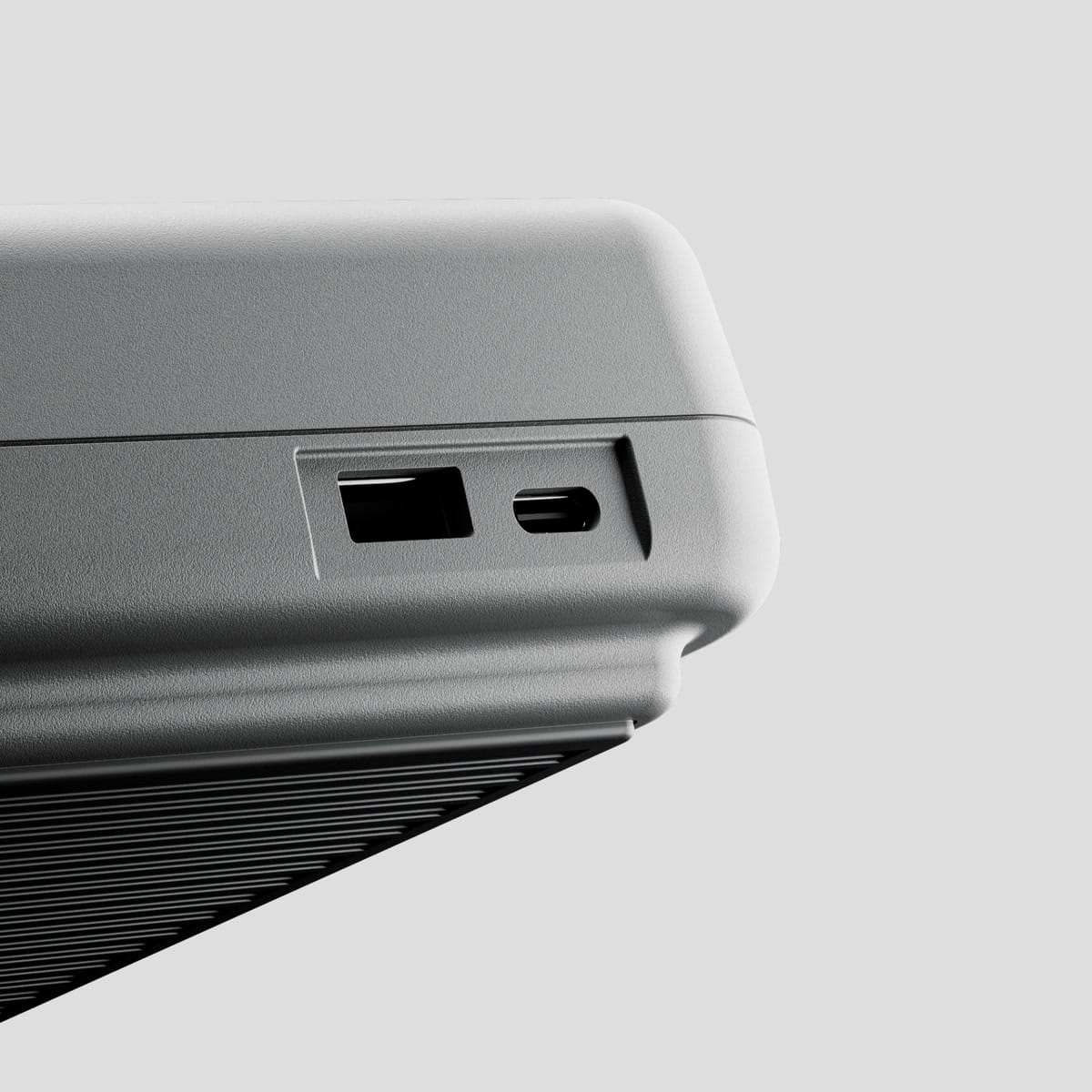
Power and ports changed too. Both now take USB-C power, and a new USB-A port on the back is for charging controllers and for the Analogue DAC, an adapter for CRT TVs covered below. Analogue says that port doesn’t carry data and won’t run a wired USB controller. The Mega Sg+ keeps the original’s headphone jack, which Analogue’s product photos show on its side.
A few changes are about convenience. You can quit a game from the menu and swap cartridges without switching the console off, which Analogue calls hot-swapping. Analogue also says you can power the console on and off by pressing Start on player one’s controller, wired or wireless. Turning on a paired wireless controller also powers the console on.
The industrial design, the menu software and the packaging are new, but the size barely moved. The Super Nt+ measures 5.2 x 6.5 x 1.6 inches, against 5.2 x 6.6 x 1.6 inches for the original. The Mega Sg+ is the same story, at 6.6 x 5.4 x 1.8 inches against 6.6 x 5.4 x 1.9 inches.
Which versions are there, and does the region matter?
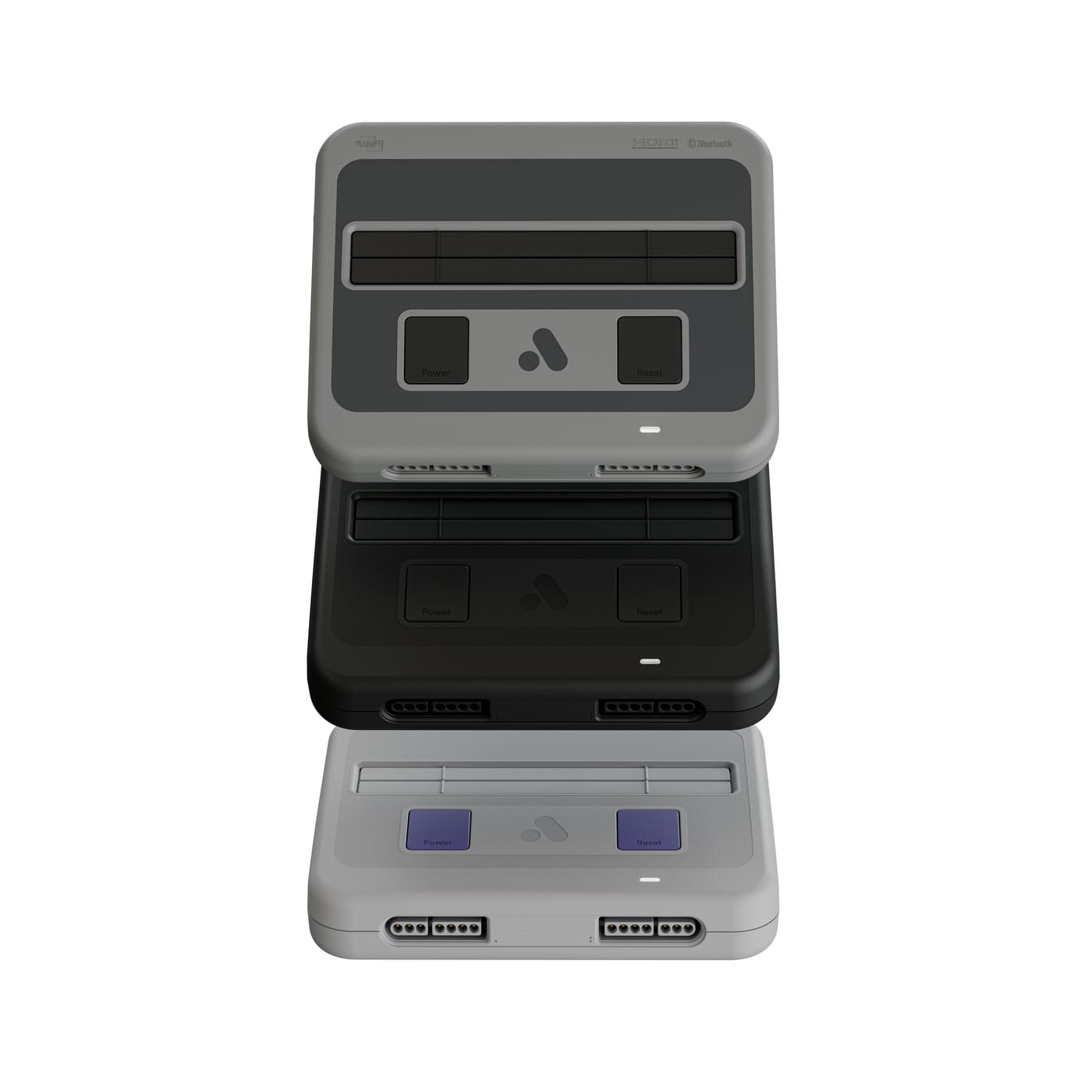
Each console comes in three versions, and Analogue lists all six as region-free, so the version you pick changes only the colours. The Super Nt+ options are Classic, in light grey with purple buttons, SF, in grey with a dark grey top panel and dark grey buttons, and Black. The Mega Sg+ is black in all three versions, and the USA, EU and JP names refer to the accent colours on the top, which Analogue’s product photos show in red and grey, white and grey, and red and blue. Two colours from the originals are gone: the Super Nt’s Transparent and the Mega Sg’s White.
Region is a question because the original SNES and Genesis were sold in different versions around the world. Super Famicom cartridges are shaped differently from North American SNES cartridges, and Europe used the PAL TV standard while North America and Japan used NTSC. Analogue’s spec covers both: the Super Nt+ takes both SNES and Super Famicom cartridges, both consoles play NTSC and PAL games, and each can switch its output between the two standards. The power supply is the same in every box, though, with a USA and Japan plug type, so buyers in Europe or the UK will need a plug adapter.
What’s in the box?
The Super Nt+ box has the console, an HDMI cable, two cartridge cleaners, a USB-C cable and a 30W USB-C power supply. The Mega Sg+ adds a Master System cartridge adapter and a spacer for the Sega CD, Sega’s CD-ROM add-on, to the same list. Neither includes a controller: Analogue suggests 8BitDo’s SN30 for the Super Nt+ and M30 for the Mega Sg+, at $29.99 each, sold separately. There’s no built-in game either, where the originals came with Super Turrican Director’s Cut on the Super Nt and Ultracore on the Mega Sg.
Do your old cartridges, controllers and accessories still work?
Mostly yes, according to Analogue: cartridges, original wired controllers and the Sega CD or Mega CD, which plugs into the Mega Sg+’s original-style connector, all work. Analogue’s compatibility list doesn’t mention the 32X, Sega’s cartridge add-on. The Super Nt+ plays the 2,200-plus Super Nintendo and Super Famicom library, and the Mega Sg+ plays more than 2,180 Genesis, Mega Drive and Master System cartridges.
The Mega Sg+ goes further with adapters. The Mega Sg Cartridge Adapter Set, $49.99 on Analogue’s store, is listed as compatible with both the original and the Mega Sg+, and covers Game Gear, Sega My Card and Mark III and SG-1000 cartridges.
For CRT televisions, both work with the Analogue DAC, a $79.99 adapter that converts the digital HDMI signal to analog. The DAC currently shows as unavailable on the store.
Do they have save states, openFPGA or ROM support?
No. Analogue says the Super Nt+ and Mega Sg+ lack four features of its Analogue 3D, its Nintendo 64 console: save states (which Analogue calls Memories), overclocking, screenshots and 4K display modes. They also don’t support openFPGA, Analogue’s platform for loading other developers’ FPGA recreations of consoles, which it calls cores. They play cartridges only and don’t load ROM files. The SD card slot is only for firmware updates.
How do they compare with the Analogue 3D and Analogue Pocket?
The Analogue 3D and Analogue Pocket both cost more than the Plus consoles, and both have the save states the Plus consoles lack. The Analogue 3D is $269.99, plays Nintendo 64 cartridges, outputs up to 4K and takes screenshots.
The Analogue Pocket is a handheld, at $239.99, built for Game Boy, Game Boy Color and Game Boy Advance cartridges. It plays on a TV only through the Analogue Dock, which is sold separately.
| Super Nt+ | Mega Sg+ | Analogue 3D | Analogue Pocket | |
|---|---|---|---|---|
| Price | $219.99 | $219.99 | $269.99 | $239.99 |
| Plays | SNES and Super Famicom cartridges | Genesis, Mega Drive and Master System cartridges; Game Gear and more with a $49.99 adapter set | Nintendo 64 cartridges | Game Boy, Game Boy Color and Game Boy Advance cartridges |
| Type | Home console | Home console | Home console | Handheld, TV through the separate Dock |
| Video | HDMI up to 1080p | HDMI up to 1080p | HDMI up to 4K | 3.5-inch screen; 1080p through the Dock, sold separately |
| Save states | No | No | Yes | Yes |
| Status | Black on pre-order; Classic and SF sold out | JP on pre-order; USA and EU sold out | In stock | In stock |
How is this different from software emulation?
Software emulation runs a game as a file, in a program on a PC, phone or handheld that imitates the console, while the Plus consoles take your actual cartridges and recreate the console in hardware, with an FPGA. Analogue claims “total accuracy” for that approach. Emulation runs on hardware you may already own. A Plus console costs $219.99, plus the cartridges and, if you don’t have one, a $29.99 controller.
Why do FPGA consoles keep coming back?
To me, with hardware prices climbing in the AI rampocalypse, there’s a movement of people who want to own their media again, go back to their roots and revisit older things. FPGAs aren’t entirely new. This whole FPGA movement has been around for a few years, but it’s seen this resurgence.
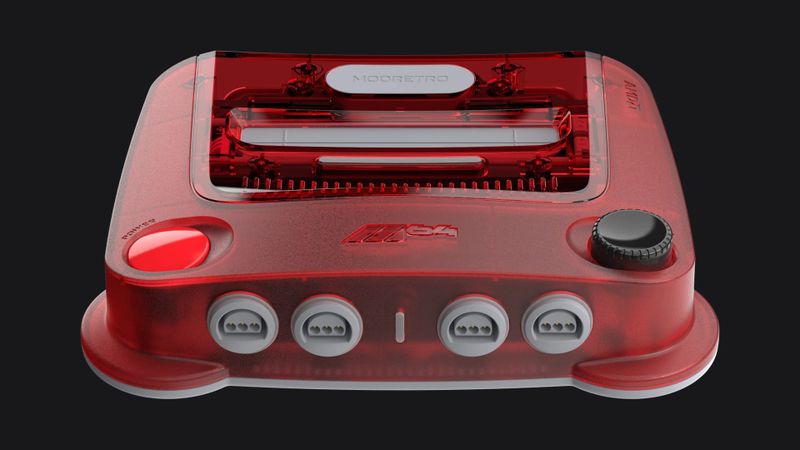
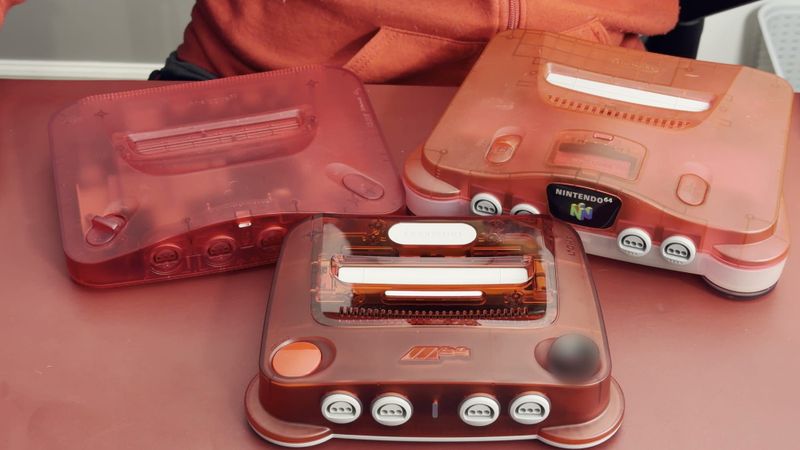
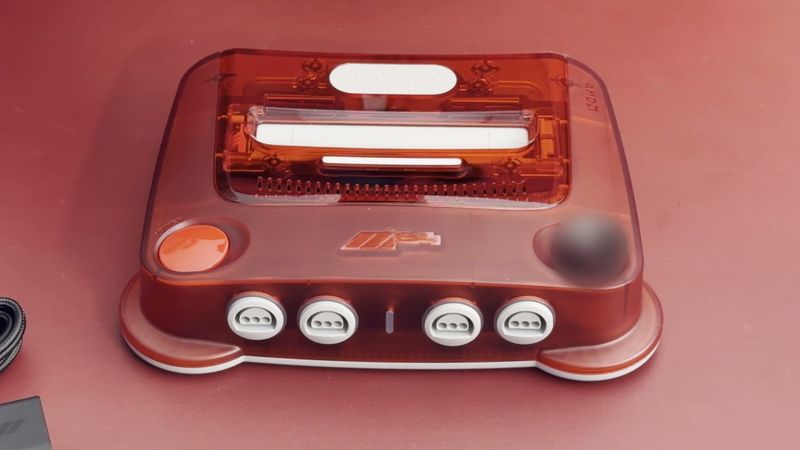
It’s mainly two companies right now, ModRetro and Analogue, and they’re coming out hard with all these devices. I own two Analogue 3Ds and a ModRetro M64. There’s a group of people who want to play these older games on what effectively amounts to native hardware, with upgraded modern capabilities. These devices are getting sold out because there’s a want out there. Analogue’s store lists all eight Analogue 3D Funtastic limited editions from last December as sold out, along with three of the five Prototype editions it added in February.
Am I buying one?
No, as much as I’d want to. Too much tech, not enough money. I have to pick and choose. I am watching them with great interest, though. If Analogue comes out with translucent or transparent versions in the future, my purchasing decision might fully change.
On the shelf
Retro consolesSee the whole story →Nerd Alert
Your Turn
What are YOUR thoughts
What have your experiences been? Let us know.