News · News · Retro Gaming · Emulation
Pokémon Fulldex Puts DS and 3DS Pokémon in Widescreen on PC, Switch and Phones
A free fan launcher plays the DS Pokémon games as one widescreen picture, and since November 12, Omega Ruby and Alpha Sapphire too, on PC, Android and a modded Switch. Bring your own games.
https://averagetechnerds.com/pokemon-fulldex-ds-widescreen/
 EmulationAndroid emulators, by systemWhere to get each one, what it costs, and the ones I runSee the emulators →Every emulation article →
I’ve been a Pokémon fan since Red and Blue. Yes, I was there, Gandalf. 3,000 years ago. So a project like this one gets me genuinely excited.
If you played HeartGold or Black 2 on a DS, you know the drill. The world up top, the menus and battle buttons down below, and your eyes bouncing between two small screens all afternoon. Play them on an emulator today and you get the same layout, just bigger: two boxes stacked up or side by side, with black bars down the sides of your TV.
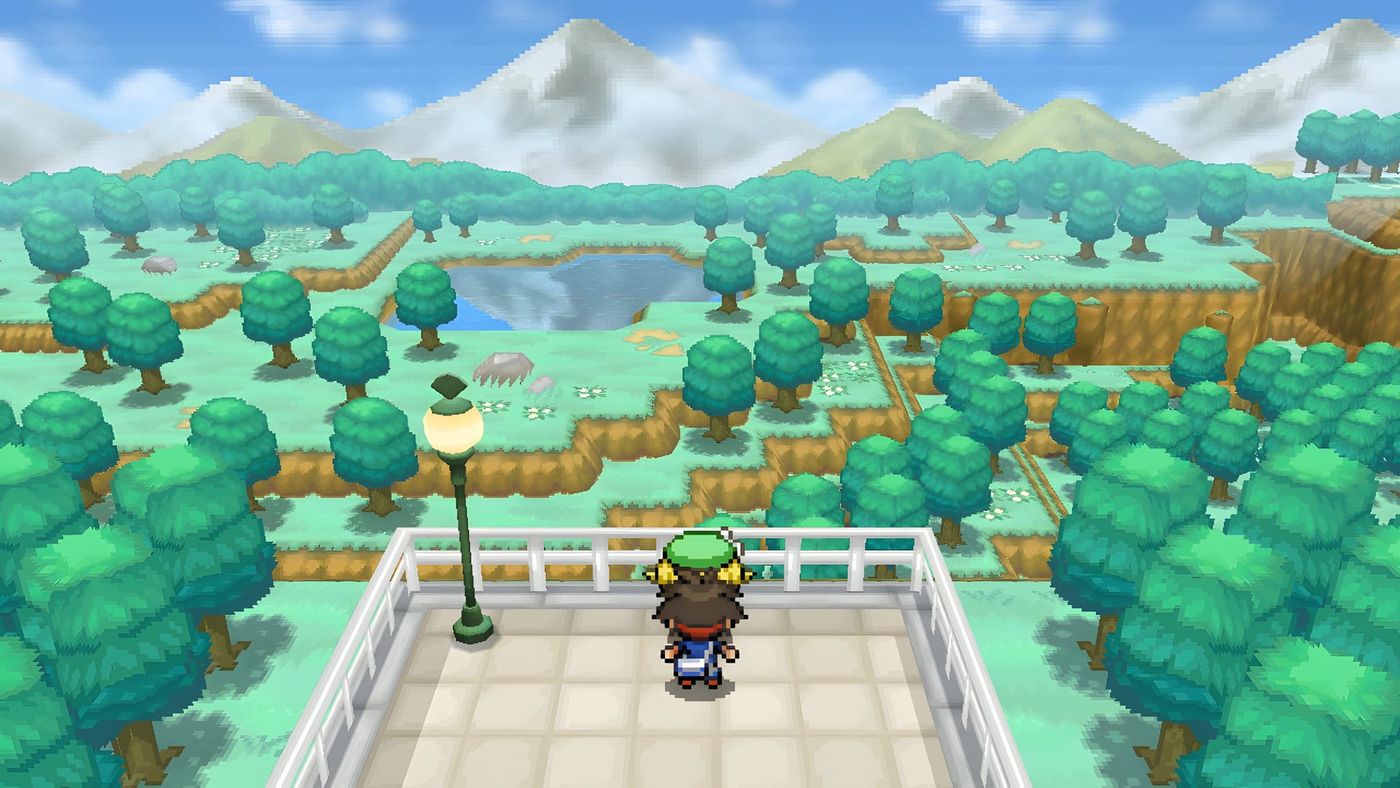
Pokémon Fulldex throws that layout out. It’s a free, open-source launcher from a developer who goes by mamesj, and it plays all nine mainline DS Pokémon games as one 16:9 picture. The world stretches to the edges of the screen, and the touch-screen buttons sit right beside the action. It runs on a PC, a Mac, a Steam Deck, Android phones, iPhones and a modded Switch.
Same games. A whole new picture.
What is Pokémon Fulldex?
It’s one program that holds the whole DS Pokémon era. You start it, a game list comes up with the box art, you pick HeartGold or Platinum or Black 2, and it plays. The six GBA games, from Ruby and Sapphire to FireRed and the fan favourite hack Ultra Violet, sit in the same list.
Underneath, it’s an emulator. The DS side is melonDS, an open-source DS emulator, built right in so there’s nothing else to install. The GBA games run on mGBA. The project page is upfront that the DS side isn’t a native port, meaning those games haven’t been rebuilt to run directly on your hardware. Native ports are the dream there, and the developer calls that goal “optimistic, but we’re aiming for it.”
It started small. Fulldex is a fork of ssrecomp, meaning it began as a copy of that fan project’s code. ssrecomp put one game, SoulSilver, on single-screen devices. Fulldex took it from one game to seventeen. It’s also brand new: it went up at the end of October, and new releases have landed every few days since.
How does it turn two screens into one?
By paying attention to the game. Fulldex has a layer that knows what’s happening, which menu is open and whether you’re walking around or in a battle, and it rearranges the two DS screens into one picture to match.
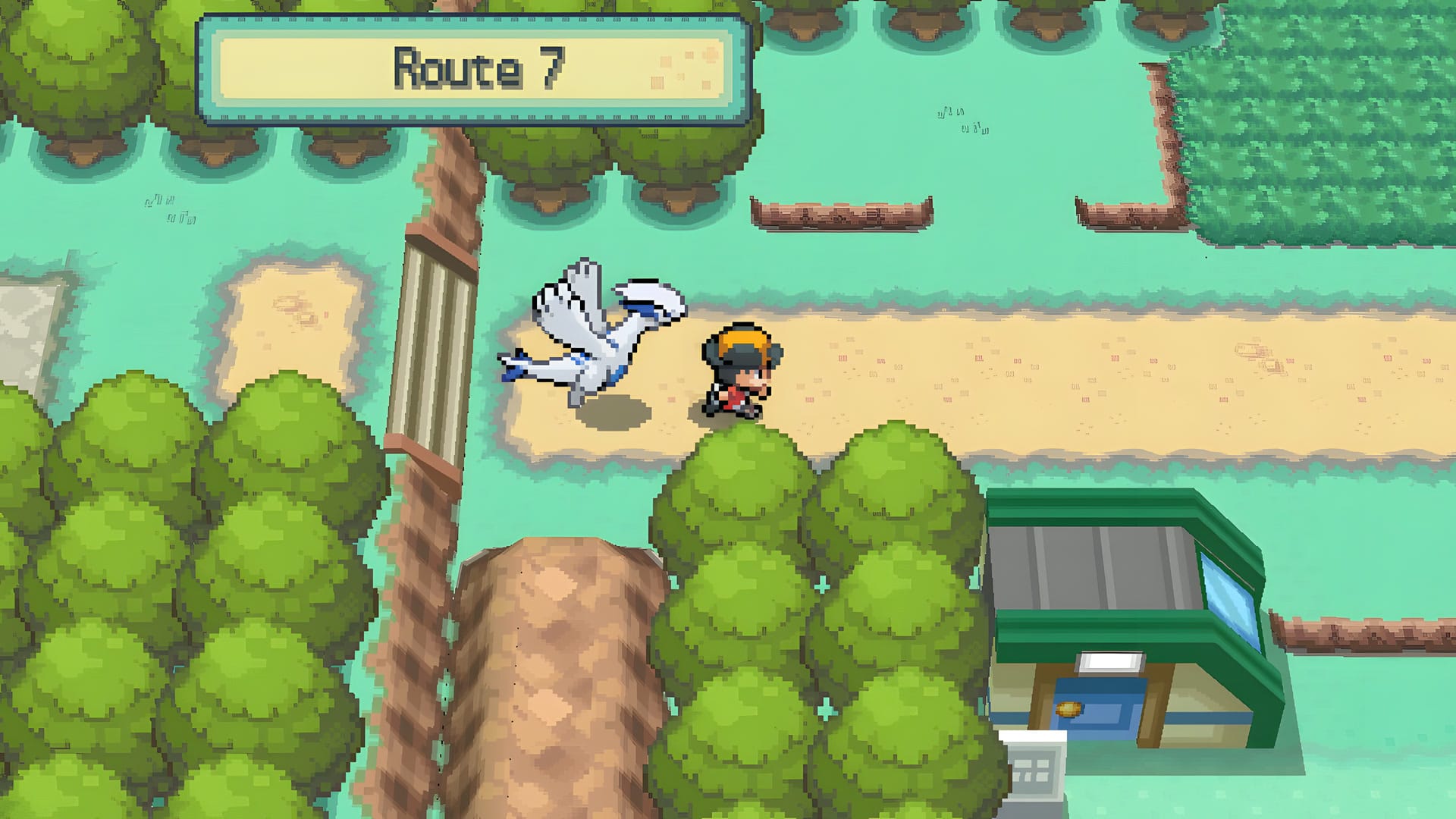
In a battle, the FIGHT, BAG, RUN and POKÉMON buttons that used to live on the bottom screen sit beside the fight. In Black 2, the HP boxes move out to the edges of the wide view. Out in the world, the 3D is drawn wider, so the sky and the scenery carry on to the sides of your screen where a plain emulator would show black bars. The bag, the party screen and the Pokédex get one-screen layouts too.
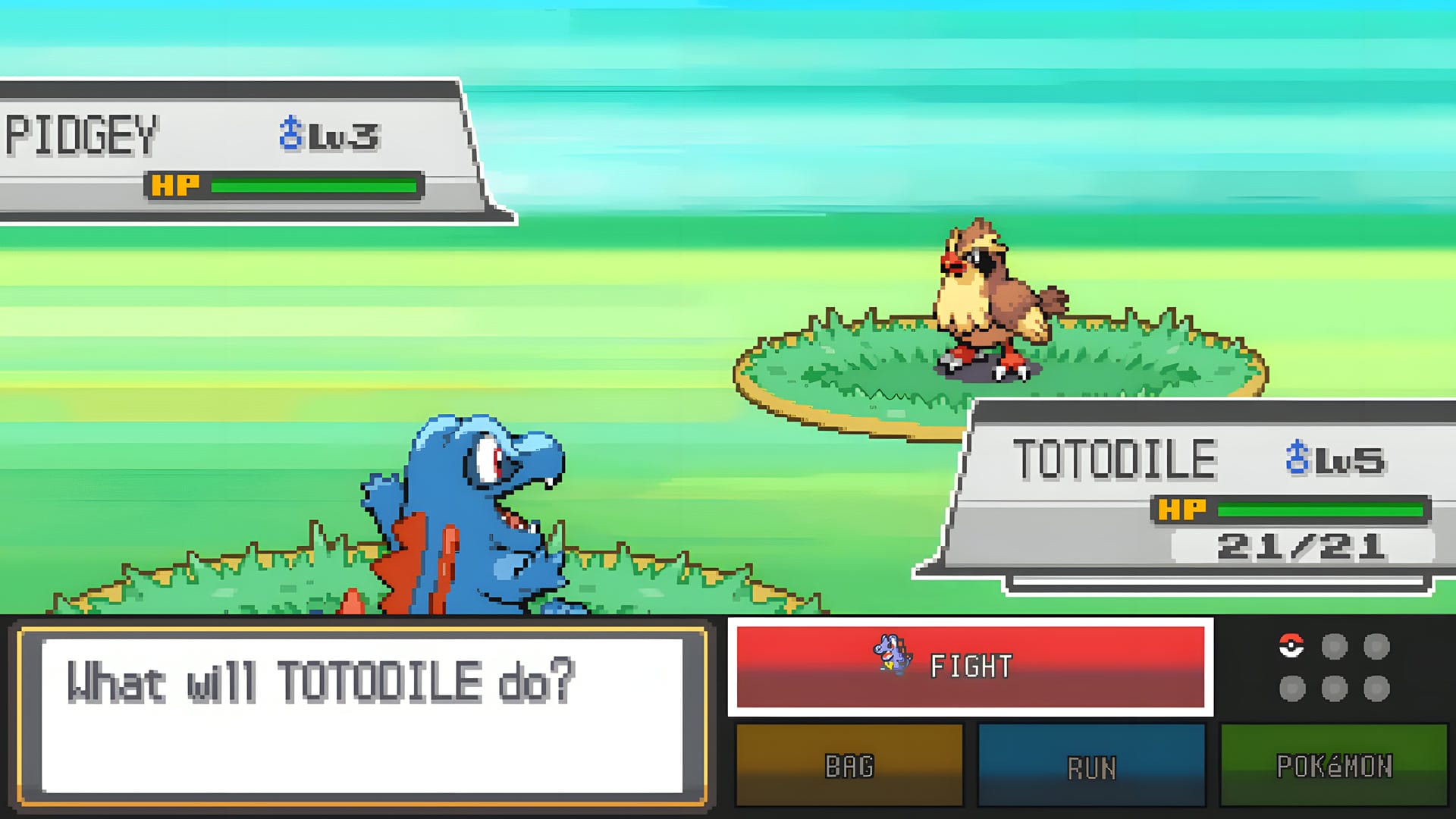
The touch screen hasn’t gone anywhere, either. On a PC the mouse is your stylus. On a phone you tap the picture itself. On a docked Switch the right stick moves a cursor, and in handheld mode you just tap.
Your game file stays untouched through all of it. The widescreen happens while the game runs.
Is it really 60 fps?
Yes, with an asterisk worth knowing about. The DS games draw their 3D at 30 frames per second, and Fulldex gets to 60 by adding a frame between each pair. Each extra frame comes from the game’s own 3D shapes: Fulldex takes them from two real frames and draws them halfway between. Motion looks smoother than it ever did on a DS.
Sharpness is the other half. On a PC you can set the 3D world anywhere from 720p up to 4K, depending on your graphics card. On a Switch it’s 720p, and the developer measured Black 2 at 60 fps, or just under, in towns and battles on a Switch OLED. That’s a long way from the DS, where each screen was 256 by 192 pixels.
Where does it run?
Pretty much anywhere you’d want to play Pokémon. Each version has its own short list of needs.
| Where you play | What you need | Worth knowing |
|---|---|---|
| Windows PC or handheld | Windows 10 or 11, 64-bit | Windows may warn about an unknown publisher the first time |
| Mac | macOS 11 or newer, Apple silicon or Intel | Apple hasn’t checked the app, so you allow it once in Privacy & Security |
| Linux and Steam Deck | 64-bit Linux from late 2023 on, or SteamOS 3.5 or newer | On a Deck, add it to Steam as a non-Steam game and set the 3D to 720p |
| Android | Android 7 or newer, 64-bit | Installed from the project’s own download |
| iPhone and iPad | iOS 14 or newer, sideloaded | With a free Apple ID, you sideload it again every 7 days |
| Switch | A modded Switch running homebrew | Overclocking is recommended for full speed |
The iPhone is the one to go easy on. Apple only lets App Store apps install on their own, so you sideload it with your own Apple ID. iOS also blocks the trick that makes the other versions fast, a JIT, which translates the DS’s code into your phone’s own code as the game runs. The project says an iPhone 13 or newer is the most likely to keep up.
Testing is thin so far, and the project says so. The developer has tried one Mac, a MacBook Air M1 that holds 60 fps at 1080p, and one Android phone, a Pixel 9 Pro XL. The PC requirements are estimates for now. If you try it, the developer is asking for reports.
How do you get it?
From the project’s GitHub releases page. Each new version has a download for every system, plus a short how-to for Android, Mac, Linux and iPhone. On Android, grab the APK, open it and let Android install it when it asks.
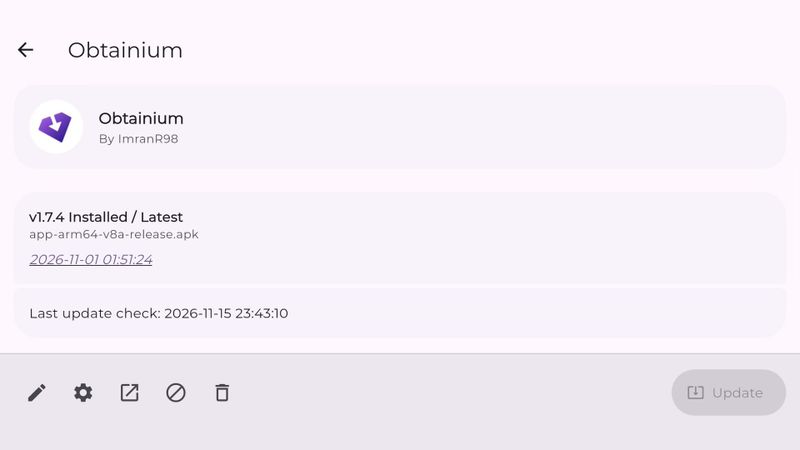
New versions land every few days. Hand the page to Obtainium and you’ll hear about each one. For your other DS games, in the classic two-screen layout, our emulator hub has the ones I’d start with. That’s WatermelonDS on a dual-screen handheld, and RetroArch with a melonDS core on everything else.
Can you play it on a Switch?
Yes, if your Switch is modded. Fulldex runs there as homebrew, the unofficial software a hacked Switch can run, so a console straight from the store won’t open it. On a modded one, the games live in one program with the same kind of game list as everywhere else.
Full speed takes a little help. The project recommends overclocking the console with a homebrew tool, because at the Switch’s normal speeds the busy spots drop frames.
Do you need your own games?
Yes. The downloads come with no games at all, and the project says so plainly: you bring your own. It’s a fan project, with no ties to Nintendo, Game Freak or The Pokémon Company.
If you still have your cartridge, your old save can come along. Fulldex reads the plain save files that other emulators and cartridge backup tools make, so a team you raised on the original game can walk straight into widescreen. Drop the save in, and the game list tells you it found it.
What else is in it?
A lot for a project barely two weeks old. RetroAchievements, the free service that adds achievements to retro games, is built in. It runs in casual mode, so save states and fast forward still work. Each DS game also comes with fifteen built-in cheats, everything from max money to wild shinies, all switched off until you want them.
The cleverest one is a switch called OTHER VERSION POKEMON. In Black and White, Black 2 and White 2, and HeartGold and SoulSilver, it lets the other version’s exclusives turn up in your game, so a Black player can run into Solosis or Petilil with no trade. Legendaries stay with their own version. For HeartGold and SoulSilver, nothing even gets added: both versions’ Pokémon lists were already sitting inside every copy of the game. Fulldex just draws from both.
Achievements pause while that switch or a cheat is on, and come back when you turn it off.
Does Fulldex play 3DS games like Omega Ruby and Alpha Sapphire?
Yes, and this is where it gets exciting. Remember the native ports the developer called the dream? Omega Ruby and Alpha Sapphire are the first step. Instead of emulating the 3DS, Fulldex takes your dump, the copy of the game you made from your own cartridge, and builds its code once into something your device runs directly. The project calls that playing natively. On Android the build is optional, but the game runs best with it. Like the DS games, you get widescreen (or one screen) and fast forward, with 3D up to 4K. Both games are in beta, so back up your saves first.
How you get there depends on what you play on.
| Where you play | How it works | How long the build takes |
|---|---|---|
| Windows PC | Put your .3ds dump with your ROMs and pick the game; Fulldex builds it the first time | 5 to 15 minutes, once |
| Android, 64-bit | Fulldex copies the game in (about 2 GB) and it plays; for best speed, build it on the phone or use code made on a Windows PC | About 25 minutes on the phone, about 3 on a PC |
| Modded Switch | The Switch can’t build it; a separate FullDex Builder on a Windows PC makes the game’s folder for your SD card | About 4 minutes on the PC |
| Mac, iPhone and iPad | Coming soon | |
| Linux | Not supported yet |
The Switch is the fiddly one. It can’t build the game itself, so you need a Windows PC for that step even if you never play on it. And some of the game’s shaders, the small programs the graphics chip runs, only turn up once you start playing, so expect to run the builder a second time to add them. Same rule as the DS games, too: nothing from the games comes with it.
What happens next?
If X, Y or the Ultra games are your era, hang tight: they’re listed as coming soon. Mac, iPhone and iPad owners are waiting on Omega Ruby and Alpha Sapphire too. On the DS side, Diamond and Pearl are still experimental, and a handful of languages are in beta.
For now, the DS era fits on one screen, and the 3DS era is starting to.
On the shelf
EmulationSee the whole story →Nerd Alert
Your Turn
What are YOUR thoughts
What have your experiences been? Let us know.